
Commerce Secretary Howard Lutnick to Testify Before Congress About Jeffrey Epstein Connections
Voluntary Appearance Marks New Chapter in Ongoing Investigation
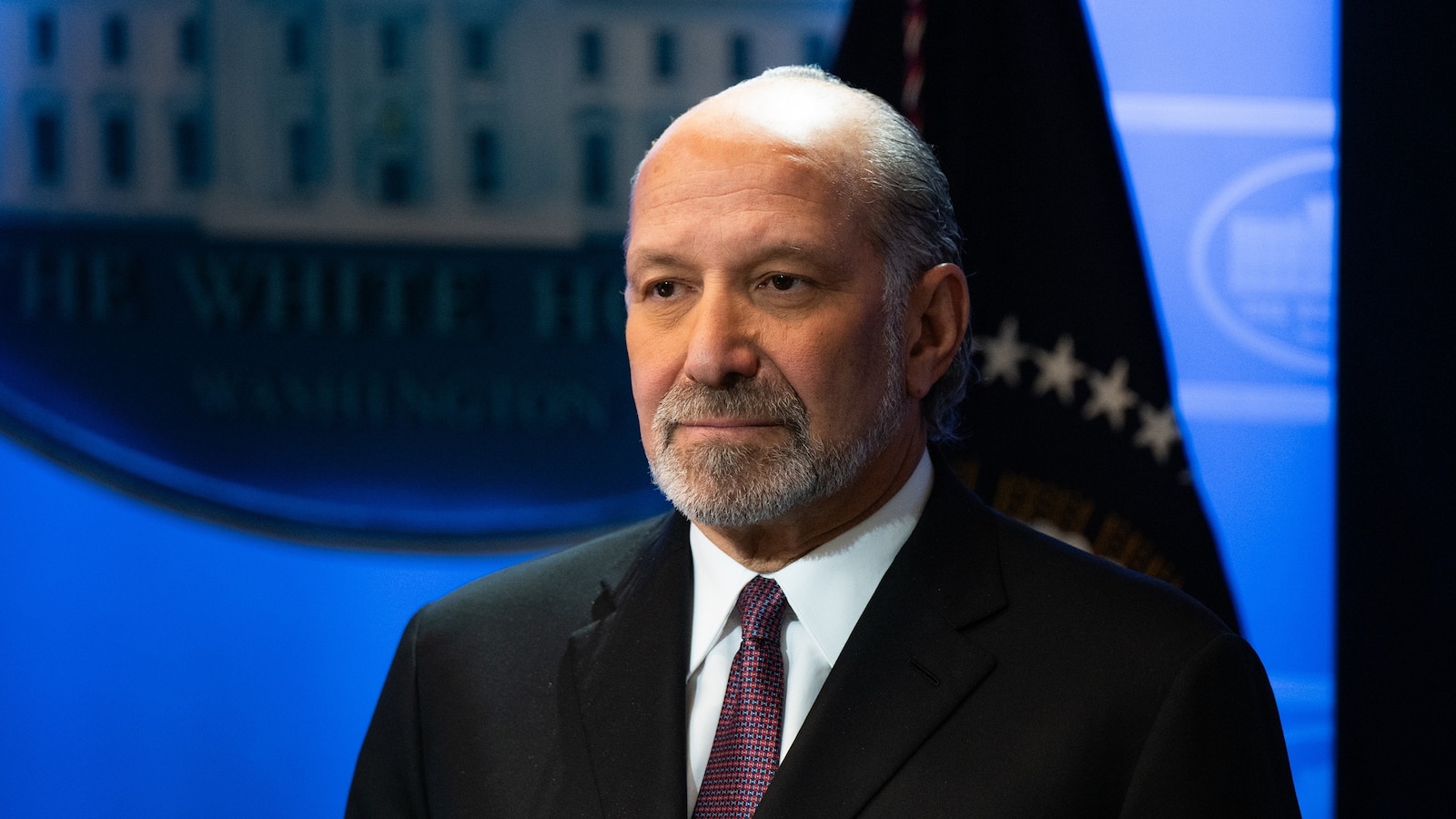
In a significant development that has captured national attention, Commerce Secretary Howard Lutnick has agreed to voluntarily testify before the House Oversight Committee as part of their ongoing investigation into the late financier and convicted sex offender Jeffrey Epstein. The announcement, made by Committee Chairman James Comer on Tuesday, represents a potentially pivotal moment in Congress’s efforts to fully understand the network of powerful individuals who associated with Epstein. Chairman Comer expressed his appreciation for Lutnick’s willingness to cooperate, stating that he commends the Commerce Secretary’s “demonstrated commitment to transparency” and looks forward to hearing his testimony. While the exact date of Lutnick’s appearance has not yet been scheduled, the voluntary nature of his agreement to testify suggests a proactive approach to addressing questions about his past relationship with the disgraced financier.
The Complicated History Between Lutnick and Epstein
The relationship between Howard Lutnick and Jeffrey Epstein spans more than a decade and is complicated by their status as neighbors in one of Manhattan’s most exclusive areas. Lutnick lived next door to Epstein for over ten years, a proximity that naturally raises questions about the extent of their relationship. However, Lutnick has consistently maintained that he distanced himself from Epstein well before the financier’s 2008 conviction for soliciting a minor for prostitution. In an October appearance on the “Pod Force One” podcast, Lutnick was emphatic about his stance, stating unequivocally: “So, I was never in the room with him socially, for business or even philanthropy. If that guy was there, I wasn’t going because he’s gross.” This strong language suggests Lutnick wanted to make clear his personal distaste for Epstein and to establish a firm boundary between himself and the convicted criminal. The statement appeared designed to draw a bright line between mere neighborly proximity and actual social or professional engagement.
Contradictions Emerge from Recently Released Documents
Despite Lutnick’s previous assertions about maintaining distance from Epstein, recently released files from the Justice Department have painted a more complex picture of their relationship. These revelations became a focal point during Lutnick’s appearance last month before a Senate Appropriations subcommittee, where he faced intense questioning about apparent contradictions between his public statements and documented evidence. The files revealed correspondence between the two men that continued years after Lutnick claimed to have distanced himself from the sex offender. Perhaps most significantly, the documents showed that Lutnick visited Epstein’s private Caribbean island in 2012 with his family and other guests—four years after Epstein’s conviction and well past the mid-2000s timeframe when Lutnick suggested he had cut ties. This revelation prompted senators to repeatedly press Lutnick about the nature and extent of his contact with Epstein, creating uncomfortable moments during the appropriations hearing. Throughout these inquiries, Lutnick has firmly denied any wrongdoing, maintaining that whatever contact occurred was innocent and that he had no knowledge of or participation in Epstein’s criminal activities.
The Broader Congressional Investigation
The House Oversight Committee’s investigation into Jeffrey Epstein represents one of the most comprehensive governmental efforts to understand the full scope of Epstein’s connections to powerful individuals across politics, business, and society. The timing of Tuesday’s announcement is particularly noteworthy, coming just one day after the committee released video footage of testimony given by former President Bill Clinton and former Secretary of State Hillary Clinton the previous week. This proximity suggests that the committee is systematically working through a list of high-profile individuals known to have had contact with Epstein at various points. The investigation seeks not only to document these relationships but also to determine whether anyone enabled Epstein’s crimes, turned a blind eye to warning signs, or could provide information about other potential victims or perpetrators. Chairman Comer’s emphasis on transparency signals that the committee intends to conduct this investigation in as public a manner as possible, likely recognizing that public trust requires openness about how powerful institutions and individuals may have failed to stop Epstein’s predatory behavior.
Questions That Lutnick’s Testimony May Address
When Commerce Secretary Lutnick appears before the House Oversight Committee, he can expect to face detailed and probing questions about several key areas of concern. First and foremost will be the apparent contradiction between his public statements about distancing himself from Epstein in the mid-2000s and evidence showing continued contact, including the 2012 Caribbean trip. Committee members will likely want to understand what prompted that visit, who else was present, what Lutnick observed during his time on the island, and whether he had any suspicions about Epstein’s activities. Additionally, as neighbors for more than a decade, Lutnick may be questioned about what he observed at Epstein’s residence, whether he noticed young women or girls coming and going, and whether Epstein ever discussed his legal troubles or the nature of his relationships. The committee may also explore Lutnick’s professional circles to determine whether Epstein served as a connection point between various business or political figures, and whether any financial relationships existed beyond mere neighborly proximity. Given Lutnick’s current position as Commerce Secretary, questions about his vetting process for the position and whether he fully disclosed his Epstein connections may also arise.
Implications for Transparency and Accountability
The willingness of Howard Lutnick to voluntarily appear before the House Oversight Committee, rather than forcing a subpoena, may be seen as a positive step toward the transparency and accountability that survivors of Epstein’s abuse have long demanded. The Epstein case has raised fundamental questions about how wealthy and powerful individuals can operate with impunity for years, protected by networks of enablers and a society that too often looked the other way. By agreeing to testify, Lutnick provides an opportunity for public examination of how someone in his position—a successful businessman who became a Cabinet member—navigated proximity to a known predator. His testimony could potentially provide valuable information to investigators, offer insights into Epstein’s methods of cultivating relationships with the powerful, and demonstrate whether lessons have been learned about the importance of severing ties with individuals credibly accused of serious crimes. Regardless of what Lutnick reveals, his appearance represents another piece in the larger puzzle that Congress and the public are trying to assemble about how Jeffrey Epstein operated, who knew what and when, and how society can better protect vulnerable people from predators who hide behind wealth, influence, and social connections. The testimony may not provide all the answers that Epstein’s victims and the public deserve, but it represents a continuation of the accountability process that many believe is essential for justice and prevention.