
What It’s Really Like to Be a GP: An Inside Look at Modern General Practice
The Reality of GP Compensation and Financial Pressures
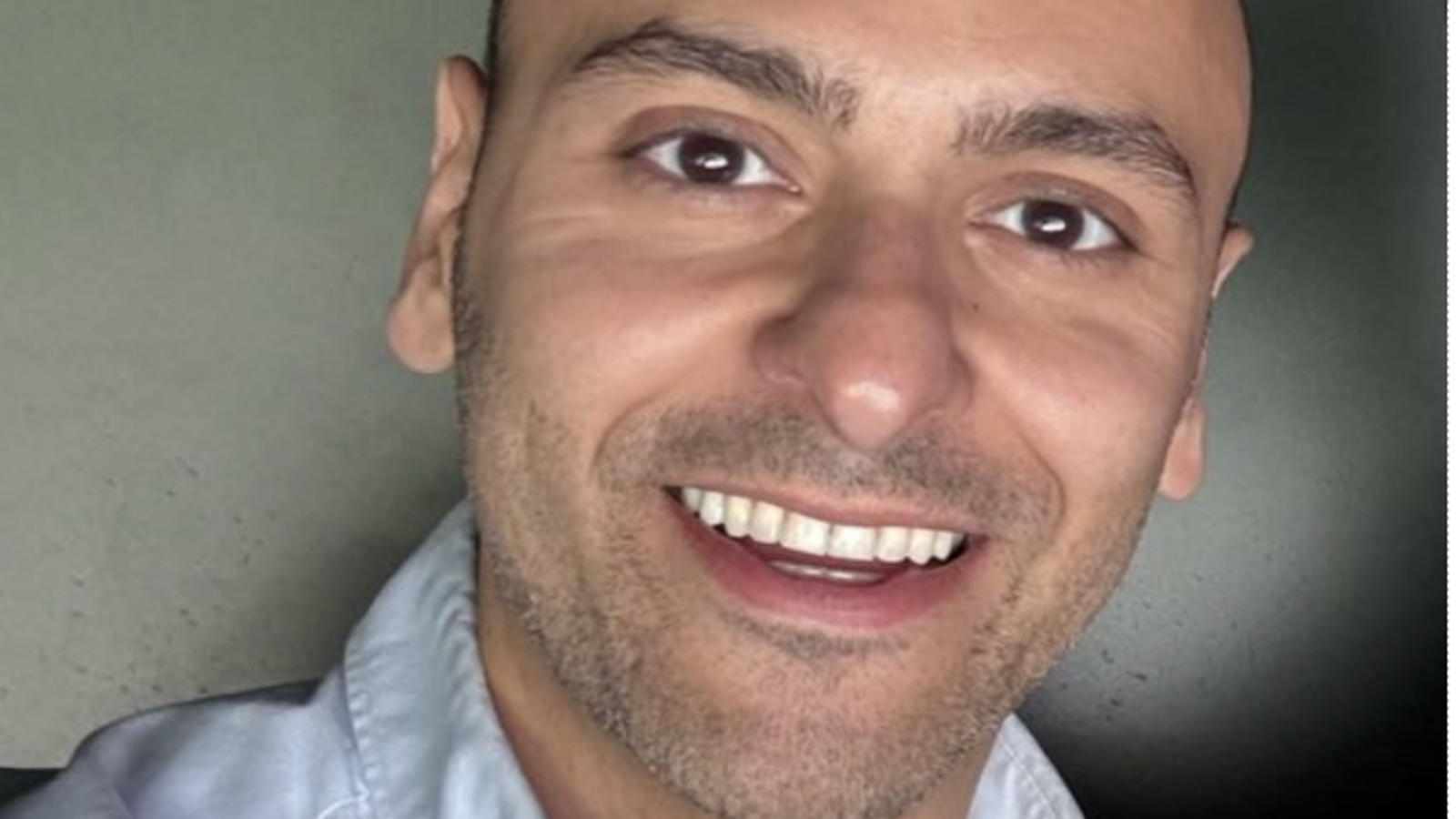
If you’ve ever wondered what life is really like for a GP in today’s NHS, Dr. George Hawche offers a refreshingly honest perspective from his practice at the Fulham Medical Centre in west London. When it comes to earnings, the picture is more nuanced than many people realize. A full-time salaried GP can expect to take home between £80,000 and £95,000 annually, while GP partners—those who own a stake in their practice—often earn considerably more. For those working as locums or self-employed GPs, the pay structure is entirely different, ranging from £60 to £110 per hour depending on experience and location. However, these figures don’t tell the whole story. The NHS pension contributions are substantial, comprising 12.5% from the employee and 23.7% from the employer. For self-employed GP partners like Dr. Hawche, this means shouldering both contributions personally, which significantly impacts take-home pay.
While Dr. Hawche believes his own compensation is reasonably fair, he’s quick to point out a glaring inequity in the medical profession: resident doctors are drastically underpaid. Today’s young doctors are entering the workforce burdened with enormous student debt that they’ll be repaying at punishing interest rates for decades to come. This financial reality, he argues, should be reflected in their starting salaries. The pressure on junior doctors isn’t just financial—it’s also about the immense responsibility placed on relatively inexperienced shoulders. The weight of having people’s lives in your hands is something Dr. Hawche admits he worries about constantly. To manage this pressure, he’s developed a meticulous approach: asking the right questions, thoroughly understanding each patient’s presenting complaint, ruling out any red flag symptoms, and providing strong safety-netting advice so patients know when to return if their condition changes or worsens.
Lessons Learned and Professional Development
Throughout his career, Dr. Hawche has learned invaluable lessons that have shaped him into a better clinician. One of his biggest realizations has been the importance of adapting his communication style to suit different patients. Not everyone processes information the same way, and what works for one person might completely miss the mark with another. He’s also learned to slow down—something that goes against the grain in a profession where time pressure is constant. Taking that extra moment to ensure understanding can make all the difference in patient outcomes. Perhaps most importantly, he’s embraced the value of working within a multidisciplinary team, regularly seeking help and feedback from colleagues across different specialties. This collaborative approach not only improves patient care but also provides ongoing professional development.
When it comes to practical medical advice, Dr. Hawche dispels several common misconceptions. Contrary to various old wives’ tales, the fundamentals of recovering from illness are straightforward: proper hydration, adequate rest, and a healthy, balanced diet rich in vitamins, minerals, complex carbohydrates, and protein. For treating a common cold, his go-to recommendation is simple and effective: honey, lemon, ginger, and paracetamol (with the crucial caveat about avoiding overdose). He’s also adamant that patients shouldn’t waste money on big-name brand medications. The active ingredients in cheaper generic products are identical—the price difference is purely the result of clever marketing. This practical, no-nonsense approach extends to his view on accessing GP services as well.
Navigating the Modern GP Appointment System
The frustration many patients feel when trying to book an 8am appointment is something Dr. Hawche fully acknowledges. His advice is to take advantage of pre-bookable appointments, which are released each week alongside emergency same-day slots and appointments that patients can book themselves through online platforms. Many surgeries now also offer eConsultation services through their websites, allowing patients to describe their symptoms and receive advice or an appointment as appropriate. He also encourages patients to remember that pharmacies can handle many common ailments—from sore throats and skin conditions to urinary tract infections, insect bites, coughs, colds, and allergies—often more quickly and conveniently than a GP appointment.
On the topic of artificial intelligence in healthcare, Dr. Hawche treads carefully. While he acknowledges that AI has its uses and that more people are turning to it for medical advice, he strongly cautions against over-reliance on this technology. AI is still in its infancy when it comes to medicine, and it lacks the crucial elements that make good medical care: context, the specialized skillset that doctors spend years developing, and most importantly, the ability to empathize. One of the great privileges of being a doctor, he explains, is that patients often share things with their GP that they wouldn’t dream of telling even their closest family members. This level of trust comes with enormous responsibility and requires genuine human understanding—something AI simply cannot replicate.
Public Health Concerns and Preventative Medicine
One issue that deeply concerns Dr. Hawche is the growing vaccine skepticism in society. He points to measles as a particularly troubling example. The UK had nearly eradicated this serious disease, but misinformation and what he calls the “gross negligence of certain researchers” led to widespread scaremongering about the MMR vaccine supposedly causing autism. Dr. Hawche is unequivocal: “This simply is not true. Let me repeat that—this simply is not true.” The published data that allegedly proved this link has been completely debunked and retracted, yet the damage persists. Now the UK faces a real possibility of measles outbreaks, a condition that can cause serious long-term complications that are completely preventable through vaccination. His advice to concerned parents is straightforward: speak to your GP, health visitor, or practice nurse about any worries rather than relying on internet misinformation.
When it comes to mental health, Dr. Hawche advocates for a holistic approach. His top tips for improving mental wellbeing include eating a whole-food diet, regular exercise, proper hydration, developing healthy outlets for managing life’s inevitable stresses, fostering good personal relationships and friendships, optimizing sleep, and getting adequate sunlight. This comprehensive approach recognizes that mental health cannot be separated from physical health and lifestyle factors. On the controversial topic of weight loss injections, Dr. Hawche takes a balanced view. He’s not against these medications, but emphasizes that they must be used alongside diet and lifestyle changes to be effective. These drugs aren’t designed for lifelong use, and the problem is that patients often regain weight after stopping treatment. He’s also careful to outline the potential risks, which range from pancreatitis and gallbladder problems to visual symptoms, thyroid cancer, and severe allergic reactions. When used appropriately with proper monitoring and follow-up, however, they can be a valuable tool for the right patients.
Frustrations and Hopes for Healthcare’s Future
If Dr. Hawche could convince his patients to change one thing, it would be their mindset. He encourages people to cultivate more positivity and maintain a better outlook on life. This isn’t just feel-good advice—numerous studies demonstrate that having a positive attitude is associated with better health outcomes. Mind over matter, as the saying goes, has a genuine basis in medical science. However, Dr. Hawche’s optimism about patient potential is tempered by frustrations with the system itself. What he hates most about his job is the administrative burden, bureaucracy, and red tape that consume valuable time that could be spent with patients. He also finds it particularly frustrating when hospital colleagues ask GPs to refer patients to other specialties rather than making the referral themselves, which negatively impacts the patient journey and unnecessarily increases GP workload.
Looking back on his career, Dr. Hawche has one regret: not taking a year out after his first two years of residency to explore other opportunities. He recognizes that medical students and resident doctors often feel pressured to rush through training to become senior doctors as quickly as possible, but he now believes that taking time to pivot and explore can help reaffirm career choices and contribute to personal and professional development. As for the NHS itself, Dr. Hawche has complex feelings. He recognizes the incredible privilege of having a healthcare system that’s free at the point of access, but also acknowledges the challenges it faces. When the NHS was established, life expectancy was far lower than it is today. Medical advancements have allowed people to live much longer, bringing with it challenges that the system must overcome. For routine, elective cases, significant work is needed to reduce waiting lists and ensure patients receive safe, streamlined, effective, and holistic service.
Despite these challenges, Dr. Hawche firmly believes that for life-and-death conditions, the NHS is absolutely fantastic. Cancer care is provided to an exceptionally high standard, and acute services are indispensable despite the multiple challenges the system faces. If he were Prime Minister, he would make three key changes: first, moving to a neighborhood delivery model where primary and secondary care teams work closely with community services and the voluntary sector to build sustainable, locally-tailored health services; second, adopting a more preventative rather than reactive approach to healthcare, because prevention will always be better than cure; and third, improving social care services, which when done poorly can seriously hinder the patient journey and cause unnecessary stress for everyone involved. Finally, Dr. Hawche wants people to understand that General Practice is a specialty in its own right. Doctors don’t simply “default” to being GPs—there’s a rigorous training program with challenging postgraduate exams before one can become fully qualified. GPs aren’t just there to refer patients to specialists; today’s GP is what he calls a “specialist generalist,” capable of handling far more than most people realize.