


Illinois Primary Elections 2025: Five Key Takeaways That Could Shape the Democratic Party’s Future
A Historic Moment Beckons for Julianna Stratton
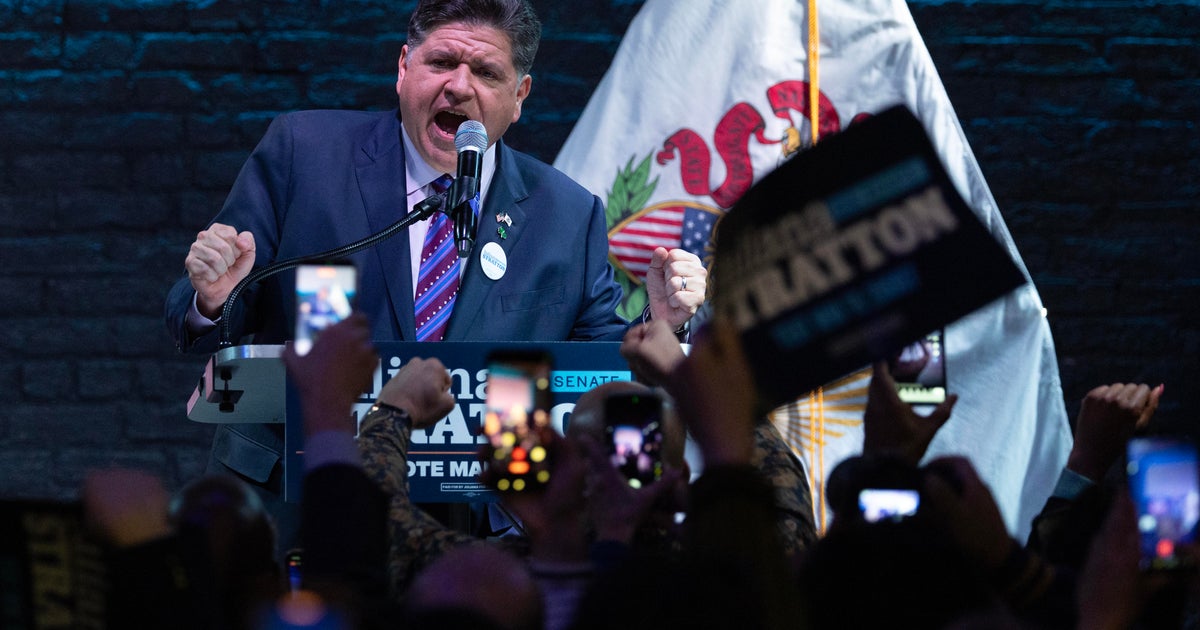
Tuesday’s Democratic primary elections in Illinois delivered results that could reshape both state and national politics for years to come. At the center of attention was Lieutenant Governor Julianna Stratton, who emerged victorious in the race for the Senate seat being vacated by retiring Senator Dick Durbin. If she wins her general election in November—and all signs point to victory in this solidly Democratic state—Stratton will make history as only the sixth Black woman ever to serve in the United States Senate. The South Side Chicago native and attorney, who served in the state legislature before becoming Governor JB Pritzker’s running mate in 2018, ran a campaign that resonated deeply with voters frustrated by the Trump administration’s policies. Her viral campaign advertisement, featuring everyday citizens expressing their anger toward President Trump in colorful language, captured the mood of many Illinois Democrats. Stratton positioned herself as an uncompromising fighter willing to take bold stances, including her pledge to work toward abolishing Immigration and Customs Enforcement (ICE), a message that gained particular traction following the Trump administration’s aggressive immigration enforcement operation in Chicago known as “Operation Midway Blitz.” She also successfully highlighted her opponent Raja Krishnamoorthi’s connections to Palantir, a tech company that develops software tools for ICE, creating a clear contrast on immigration policy. Stratton’s victory was built on overwhelming support in Chicago combined with competitive performances in suburban and rural areas throughout the state, proving her appeal extended beyond the urban core. With endorsements from Senators Tammy Duckworth and Elizabeth Warren, and the full backing of Governor Pritzker, Stratton told CBS News that voters “are tired of the status quo in Washington” and want “someone to go to the mat fighting for them.” In a signal of her independent approach, she has already stated she would not support New York Senator Chuck Schumer as Democratic caucus leader if elected to the Senate.
Governor Pritzker’s Gamble Pays Off With National Implications
Governor JB Pritzker’s all-in support for Stratton’s Senate campaign represented a significant political risk that ultimately paid dividends, potentially positioning him for a presidential run in 2028. Speaking at Stratton’s victory party in Chicago, an emotional Pritzker acknowledged the personal nature of his commitment: “A lot of people have suggested this was personal to me. They were right. It was.” The billionaire governor didn’t just offer his endorsement—he appeared in multiple television advertisements and personally funded a pro-Stratton super PAC called Illinois Future PAC with at least $5 million of his own money. On Election Day itself, he joined Stratton at the iconic Manny’s Cafeteria & Delicatessen in Chicago for a final get-out-the-vote push. This level of involvement was far from guaranteed to succeed; Stratton had trailed in polls for months while her main opponent, Congressman Krishnamoorthi, enjoyed a massive fundraising advantage and had been running television ads since the previous July. The stakes were high enough that the Chair of the Congressional Black Caucus, which had backed a third candidate, Representative Robin Kelly, publicly criticized Pritzker’s involvement, with Representative Yvette Clarke telling reporters that the governor’s “behavior in this race won’t soon be forgotten by any of us.” Despite issuing a conciliatory statement after Stratton’s win calling for unity, the tensions revealed the risks Pritzker had taken. Democratic operative Hyma Moore explained the strategic calculus behind Pritzker’s gamble: “It’s no secret that Black women are the backbone of the Democratic party, and if you are part of their ascendant leadership, that’s a big win for a white male who may want to run for President.” While Pritzker, who is running for a rare third term as Illinois governor this November, maintains he isn’t currently considering a 2028 presidential campaign, Stratton’s victory gives him a powerful ally in the Senate and demonstrates his ability to shape political outcomes despite conventional wisdom. Stratton herself endorsed the possibility, telling reporters that if Pritzker decided to run for president, “he would be wonderful at it. I think he’d make a great president.”
Big Money Outside Groups Achieve Mixed Results
The Illinois primary became a testing ground for outside spending groups representing pro-Israel, cryptocurrency, and artificial intelligence interests, with these organizations pouring over $52.7 million into the Senate race and several House Democratic primaries in the Chicago area. The results delivered a mixed return on their substantial investment, raising questions about the limits of outside money in determining electoral outcomes. The pro-cryptocurrency Fairshake PAC spent approximately $10 million opposing Stratton in hopes of securing a Krishnamoorthi victory in the Senate race. In House races, their preferred candidates won in Illinois’ 2nd, 8th, and 13th Districts but lost in the 7th District. Spokesperson Geoff Vetter remained undeterred, stating, “We are just getting started in our nationwide fight for American innovation.” The pro-artificial intelligence Think Big PAC invested over $1 million supporting Melissa Bean’s successful campaign in the 8th District, but suffered a loss with their support of Jesse Jackson Jr.’s attempted political comeback in Illinois’ 2nd District. However, the American Israel Political Action Committee (AIPAC) emerged as the largest outside spender, investing over $21 million across four Chicagoland races. Their strategy involved creating committees with broad, innocuous names that didn’t obviously connect to AIPAC or mention Israel in their advertisements, an approach designed to avoid backlash against foreign policy-focused spending. Their results mirrored the overall trend—a roughly even split, with their preferred candidates winning in the 2nd and 7th Districts while losing in the 8th and 9th Districts. Despite the mixed outcomes, AIPAC claimed broader victory, noting that “half a dozen anti-Israel candidates” had lost their primaries and signaling their intention to continue heavy spending in future 2026 primaries. The 9th District race, where AIPAC spent over $7 million, became particularly contentious and revealed shifting attitudes toward Israel within the Democratic Party. The winner, Evanston Mayor Daniel Biss, the grandson of a Holocaust survivor, made opposition to AIPAC’s involvement a central campaign theme while advocating for a two-state solution and calling the “oppression of the Palestinian people an unacceptable stain on the world and the Jewish people as well.” In his victory speech, Biss declared, “AIPAC found out the hard way. The 9th district is not for sale,” while crediting J-Street, a liberal pro-Israel group that supported his campaign, demonstrating that nuanced positions on Middle East policy can prevail against better-funded opposition.
Progressive Movement Faces Setbacks Despite Recent National Wins
The progressive wing of the Democratic Party entered Illinois’ primaries with momentum following recent victories, including New York City Mayor Zohran Mamdani’s 2025 win and Analilia Mejia’s success in New Jersey’s 11th District special election primary earlier this year. However, Tuesday night delivered disappointing results for candidates running on similar platforms, suggesting that the progressive movement’s ability to translate enthusiasm into electoral success remains inconsistent. Three progressive candidates with backing from national organizations fell short of victory despite running campaigns focused on issues like immigration reform, Middle East policy, and economic affordability—themes that had resonated with voters in other recent elections. Kat Abughazaleh, a 26-year-old Palestinian American journalist who had only recently moved to the Chicago area, lost to Daniel Biss in Illinois’ 9th District by just over three points. Junaid Ahmed, a tech businessman, was defeated by Melissa Bean in Illinois’ 8th District by five points. Illinois state Senator Robert Peters, who had backing from the progressive Working Families Party, finished third in Illinois’ 2nd District. All three candidates ran to the left of their main opponents on immigration and Israel policy while centering their campaigns on affordability issues, mirroring Mamdani’s successful approach in New York. Despite involvement from the Congressional Progressive Caucus and the Justice Democrats organization, which backed both Abughazaleh and Ahmed, as well as endorsements from Senator Bernie Sanders of Vermont, the left wing of the Democratic Party left Illinois relatively empty-handed. These results suggest that while progressive ideas have gained traction within the party, translating that support into electoral victories requires more than national endorsements and alignment with trending issues—local connections, political experience, and the ability to build broad coalitions remain essential ingredients for success, even in Democratic strongholds.
Record Turnout Signals Engaged and Energized Electorate
Perhaps the most striking aspect of Tuesday’s Illinois primary wasn’t who won or lost, but rather how many people showed up to vote. Turnout for the state’s Senate primary reached its highest level since Barack Obama’s Democratic Senate primary in 2004, with over 1.1 million votes cast. This remarkable participation rate suggests an electorate that remains deeply engaged with politics and motivated to make their voices heard, likely fueled by reactions to the Trump administration’s policies and the high stakes of determining who will represent Illinois in the Senate for the next six years. The turnout surge wasn’t limited to Election Day voting. Voters in Chicago and surrounding Cook County suburbs set a new record for early voting, surpassing the previous benchmark of 106,252 early ballots cast during the 2018 primaries—the last midterm election cycle that occurred during President Trump’s first term in office. This parallel suggests that Trump’s presence in the White House serves as a mobilizing force for Democratic voters, driving them to participate in even down-ballot races. The record-breaking participation has implications beyond Illinois, serving as a potential indicator of enthusiasm levels that could translate to the 2026 midterm elections and the 2028 presidential race. High turnout in Democratic primaries typically signals an energized base, which can be crucial for party success in general elections. For candidates like Julianna Stratton, who framed her campaign around fierce opposition to Trump administration policies, the robust turnout validates her strategy of mobilizing voters through clear, uncompromising positions rather than cautious, middle-ground messaging. The engagement also suggests that voters are paying closer attention to the full range of races on their ballots, not just high-profile contests, which could make future primary elections more competitive and unpredictable. As both parties look ahead to the challenges of the 2026 cycle, the Illinois results offer a reminder that voter enthusiasm can’t be taken for granted and that authentic engagement with constituent concerns remains the most reliable path to electoral success.