
Life as an Automotive Technician: A Candid Look Inside the Workshop
Breaking Into the Industry and What You Can Expect to Earn
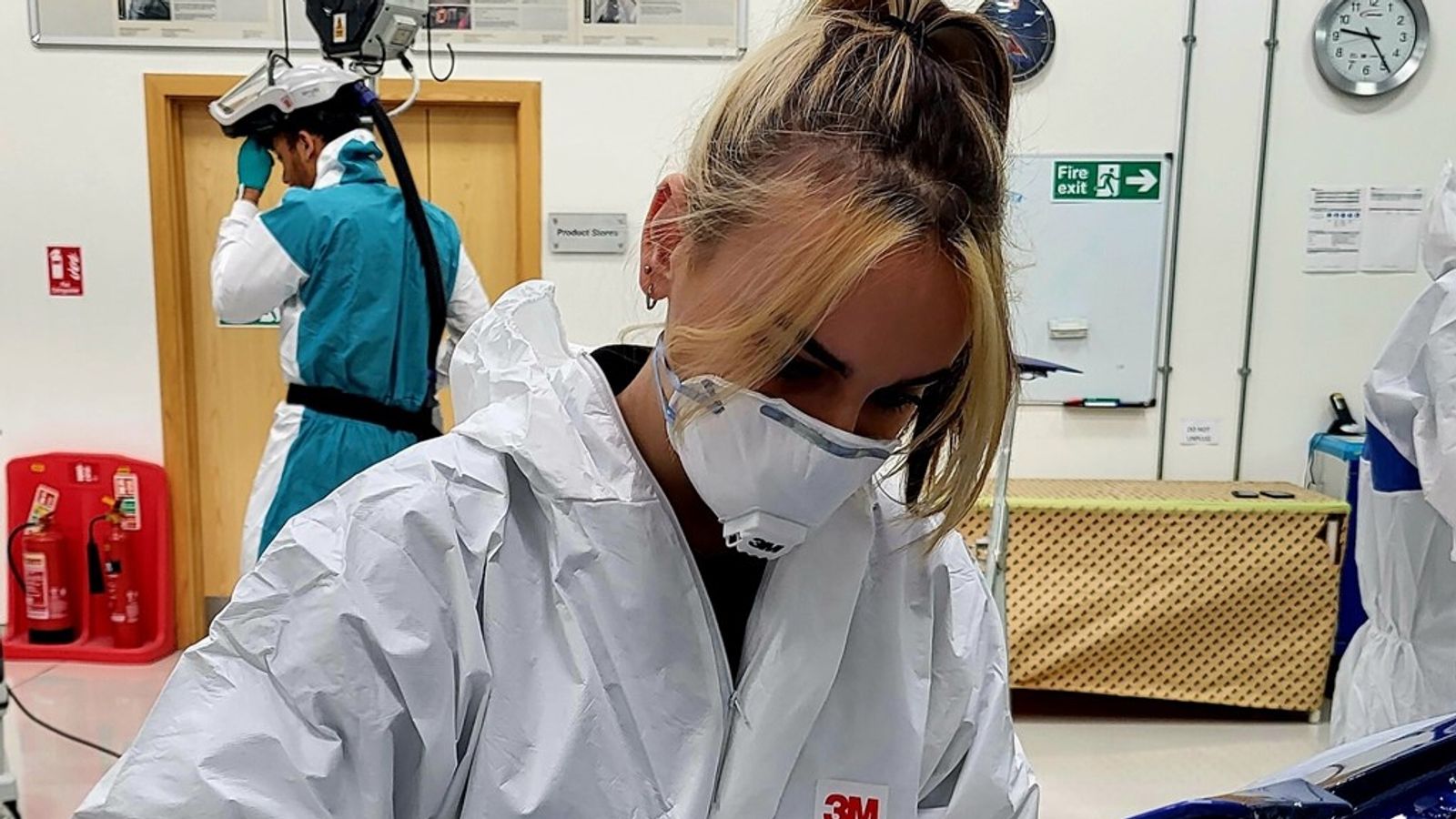
Madison Godfrey’s journey into automotive repair might surprise you—she didn’t grow up covered in grease or spending weekends under the hood of cars. In fact, she holds a degree in dance and performing arts and worked as a barista at Costa before discovering her true calling. Her story proves that passion and dedication can triumph over lack of experience when it comes to building a rewarding career. The automotive technician path typically begins with an apprenticeship, which Madison undertook with training provider Auto Access and the Steer Group. During that crucial first year of learning the ropes, apprentices can expect to earn around £15,000 while simultaneously studying to gain their qualifications. It’s not a fortune, but it’s a stepping stone to something much more lucrative. Once fully qualified, automotive technicians can command salaries upwards of £40,000, making it a financially viable career choice for those willing to put in the initial hard work. Madison herself completed her three-year course an impressive eight months early, demonstrating that if you’re willing to dedicate yourself fully to learning the trade, advancement can come quickly. The standard working week consists of 45 hours, with a generous holiday allowance of 23 days plus bank holidays. Long-term employees enjoy additional perks—after five years of service, workers gain an extra day of annual leave, with another bonus day added after a decade with the company. While there aren’t many freebies on offer (Madison jokes that branded air fresheners barely count), employees do receive discounted rates on car parts, which proves particularly handy for anyone with a project vehicle sitting in their driveway at home.
The Cost of Living Crisis and Its Impact on Vehicle Maintenance
The ongoing cost of living crisis has fundamentally changed how people approach car maintenance and repair, and Madison has witnessed this shift firsthand in her workshop. Increasingly, drivers are postponing regular services and skipping smaller, cosmetic repairs in an attempt to save money during these financially challenging times. While this might seem like a reasonable way to cut costs in the short term, it can lead to more serious—and expensive—problems down the line. Many drivers have also responded to rising costs by increasing their insurance excess to lower their monthly premiums, but this strategy has an unintended consequence: when these drivers are involved in minor accidents, they can’t afford to pay the higher excess required to make a claim. What people don’t always realize is that even seemingly insignificant collisions that result in just a small dent or scrape can cause much more serious underlying damage. Beneath that visible panel damage, the vehicle’s structure or electrical systems might have been compromised in ways that aren’t immediately apparent. These hidden issues can make the car dangerous to drive, but the full extent of the damage only becomes clear when a qualified technician takes a proper look underneath. Madison emphasizes that this false economy of skipping repairs or not claiming for minor accidents could potentially put drivers, their passengers, and other road users at risk. The average repair bill hovers around the £2,000 mark, which understandably makes people hesitant, but professional repairs involve far more than simply touching up a scratch with whatever paint happens to be lying around the workshop. The process requires popping out dents, extensive preparation of the entire affected area to ensure smooth paint application, and precise colour-matching so the repair becomes invisible. Specialist coatings such as tinted, pearl, and matte clear coats—commonly found on Mazda, Toyota, Honda, Ford, and BMW models—add even more to the final cost.
Smart Shopping: How to Avoid Getting Ripped Off
When your car needs repairs, particularly if you’re not going through insurance, Madison strongly advises gathering multiple quotes rather than simply taking your vehicle to the first garage you find or wherever a friend happens to recommend. This comparison shopping approach applies whether you’re considering independent garages or local franchise dealers. When collecting these quotes, pay close attention to what is and isn’t included in each estimate, which costs are fixed, and which elements might be subject to change. Taking the time to make an informed decision based on thorough research could save you substantial amounts of money. To ensure you’re not being overcharged, always request itemized breakdowns that clearly show where your money is going. You don’t need to be a mechanical expert to compare quotes and spot significant differences in what’s included at what cost. Once the work is complete, check it thoroughly before driving away from the garage. Madison warns that alarm bells should ring if the staff have parked your car in a way that prevents you from walking around it completely. Always examine the repair work in good light and dry weather, as rain can create reflections that hide imperfections. An honest, reputable garage will actively encourage you to carry out a thorough inspection and should be willing to walk you through exactly what work has been performed. Unfortunately, as Madison acknowledges from personal experience, there are definitely some unscrupulous garages operating out there. You must trust your instincts when dealing with automotive professionals. Are they trying to oversell services you don’t need? Are they speaking to you in a condescending manner? Are they being evasive and failing to provide clear information when you ask questions? These are all red flags that should make you reconsider doing business with them. Customer reviews provide valuable insights into a garage’s reputation and service quality, but Madison cautions that you should read them objectively. Don’t be immediately put off by discovering one negative review among a thousand glowing testimonials, but do pay attention to patterns of complaints or consistent praise.
What to Know When Buying a Second-Hand Car
If you’re in the market for a used vehicle, Madison offers several crucial checks that could save you from making an expensive mistake. First, verify whether the engine is cold when you arrive to view the car—if it’s warm, you won’t be able to accurately check things like oil levels, and a warm engine might indicate that the seller had to jump-start the vehicle before your arrival, suggesting potential battery or electrical problems. Carefully examine the service history for any suspicious gaps in the logbook that might indicate periods of neglect. Take a close, thorough look at the bodywork for signs of previous damage or poor-quality repairs, and check that no warning lights are illuminated on the dashboard. Tire condition deserves special attention because neglected tires often suggest that the vehicle has been poorly maintained overall and may be hiding more serious mechanical issues. Don’t forget to look underneath the car to check for any fluid leaks that would be visible on the ground. Finally, when the engine is running, listen carefully for any unusual noises that might indicate mechanical problems. These simple checks don’t require expert knowledge but can reveal potential problems that might cost you thousands to fix after purchase.
The Realities of Working in an Automotive Workshop
Madison’s daily work involves handling numerous dangerous chemicals, making personal protective equipment absolutely essential. She always wears gloves and paint overalls, and adds a mask and hood when spraying. A good stock of heavy-duty hand cleaner is necessary to properly clean her hands at the end of each shift. The job definitely has its amusing moments—Madison notes that it’s not uncommon to find underwear and adult toys that have slipped between car seats, making it rather awkward to look drivers in the eye when they return to collect their vehicles. The industry itself is evolving rapidly, particularly with advances in automotive technology that are making repairs increasingly expensive. Training technicians to work on modern systems, especially electric vehicles, requires significant investment, and the specialized equipment needed doesn’t come cheap. Smaller independent garages may struggle to afford both the necessary training and equipment, putting them at a competitive disadvantage. Insurance companies are increasingly directing business toward franchise garages that are properly equipped to handle EVs, potentially steering customers away from smaller independents in an effort to keep overall costs lower. Madison recommends that every car should have certain items in the boot: a hazard triangle, safety kit, first aid kit, a large bottle of water for the car itself as well as drinking water for occupants, and drivers should know exactly where to locate their locking wheel nuts.
Challenging Industry Misconceptions and Looking to the Future
Madison firmly rejects the notion that automotive repair remains a male-dominated industry and reports that she has never experienced any sexism since joining the profession. She works alongside many women and encounters even more at every industry event she attends. Her message to women considering this career path is clear and encouraging: don’t let outdated fears of sexism deter you from pursuing something you’re genuinely interested in. If you want it, just go for it, get involved, and see where the journey takes you. On the customer service side, haggling over prices isn’t generally appropriate in professional automotive repair settings, as garages work with fixed costs for labor, parts, and supplies. It rarely comes up in conversation anyway, since the majority of repair costs are processed through insurance companies, meaning customers typically only need to pay their policy excess. If Madison could change one aspect of road safety regulations, she would introduce mandatory driving test refreshers for people above a certain age. She’s observed a higher percentage of older drivers bringing in vehicles damaged in accidents, which she attributes to the natural decline in reaction times and eyesight that comes with aging, combined with constantly changing traffic laws. She believes drivers should be retested before they become a danger to themselves and others on the road. Madison’s unconventional path into automotive repair—from dance and performing arts graduate to qualified technician—demonstrates that this industry welcomes people from all backgrounds who are willing to dedicate themselves to learning a skilled trade that offers both financial rewards and the satisfaction of solving complex mechanical puzzles every single day.