
Life as a Sommelier: The Real Story Behind the Wine Glass
Breaking the Stereotype: A Sober Sommelier’s Journey
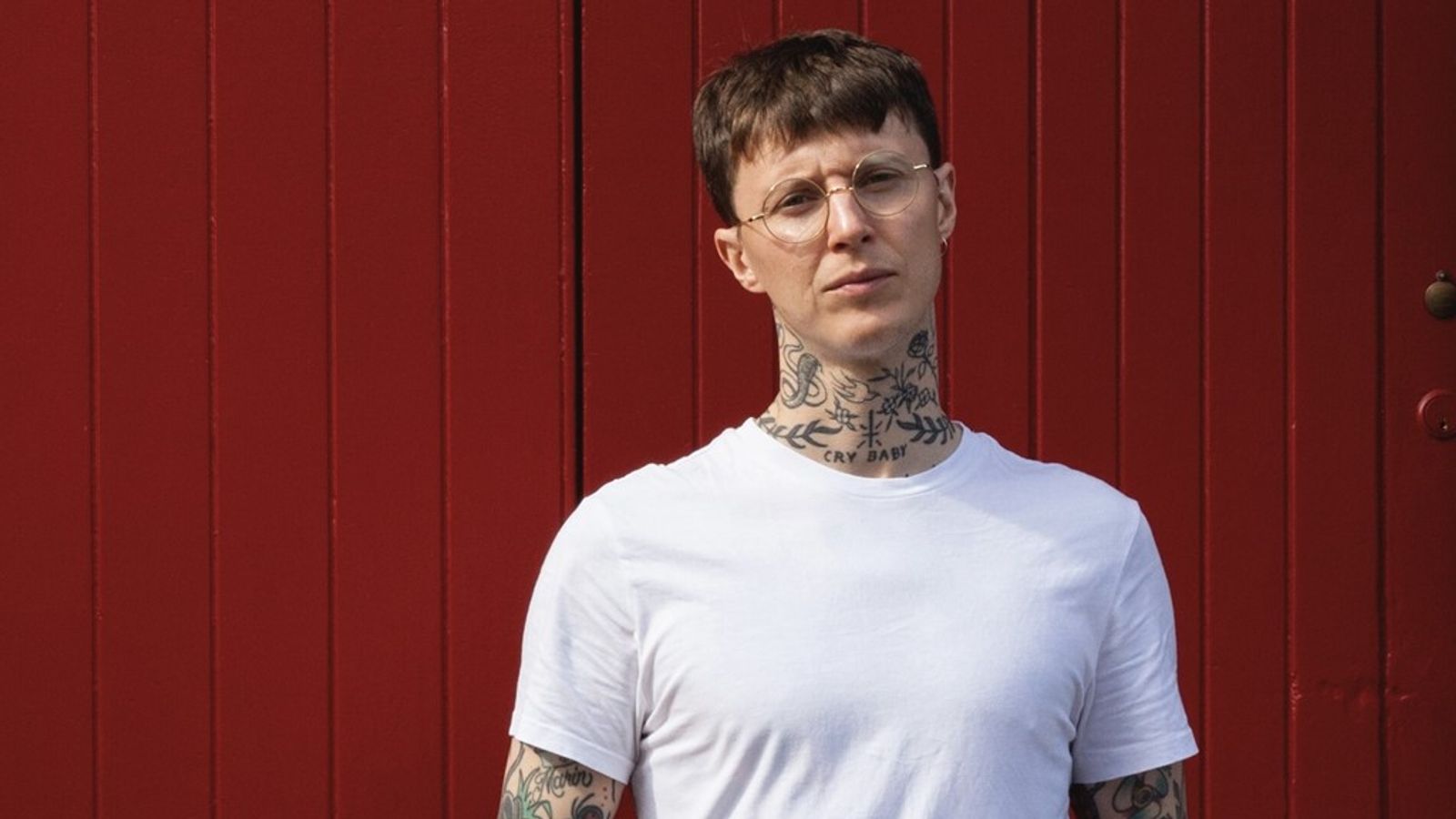
Jo Radford’s story challenges everything we think we know about working with wine. As the sommelier at Timberyard, a Michelin-starred restaurant in Edinburgh, she brings a unique perspective to her role: she’s been sober for over six years. With 15 years of experience in the wine industry, Radford speaks openly about a topic many in hospitality avoid—substance abuse. She acknowledges that the industry has a significant problem with alcohol dependency, with many professionals using drinking as a way to cope with stress and avoid dealing with life’s challenges. By sharing her experience, she’s working to break down the stigma surrounding sobriety in an industry where drinking is often considered part of the job description. Today, she tastes and spits during her work, and believes her palate has never been more refined. Her success demonstrates that you don’t need to drink wine to be exceptional at understanding, appreciating, and recommending it. There are other sober sommeliers around the world, but their stories remain largely unknown, perpetuating the misconception that drinking is essential to the profession. Radford hopes that by talking openly about her journey, she can help others who might be struggling with alcohol but feel trapped by industry expectations.
The Reality of Pay and Working Conditions
The financial landscape for sommeliers varies considerably depending on location and level of expertise. In Scotland, professionals can expect to earn somewhere between £30,000 and £50,000 annually, though this can climb significantly in major cities like London, where salaries can reach £66,000 before tips, service charges, and bonuses are factored in. The hospitality industry has undergone significant changes in recent years, particularly regarding work-life balance. Historically, restaurant and bar staff worked punishing schedules—longer hours, more days per week, and little time for personal life. However, the past five years have seen a welcome shift toward more reasonable working conditions. Most sommeliers now work between 40 and 45 hours per week, bringing the profession in line with other industries. This change represents a crucial evolution in hospitality culture, acknowledging that sustainable careers require time for rest, family, and personal pursuits. The industry is slowly recognizing that burned-out staff can’t provide the level of service and expertise that high-end establishments require, and that treating employees well ultimately benefits everyone—from the workers themselves to the customers they serve.
The Art and Science of Wine Knowledge
Being a sommelier involves far more than what customers see during service. The glamorous part—recommending wines, presenting bottles, engaging with diners—represents just the tip of the iceberg. Behind the scenes, sommeliers manage complex logistics including cellar organization, storage optimization, and inventory management. They must coordinate deliveries, verify that correct vintages have arrived, categorize bottles properly, and ensure everything is stored under ideal conditions to preserve quality. Wine lists require constant updating, and sommeliers need to factor in practical considerations like which bottles to hold back for aging and which to make available immediately. What makes the profession particularly challenging is that wine knowledge is genuinely endless. Just when you think you’re getting a handle on the subject, new vintages arrive, new producers emerge, and climate change introduces new variables that affect how grapes grow and wines taste. It’s a relentless but fascinating pursuit. Radford emphasizes that visiting wine regions in person deepens understanding in ways that can’t be replicated through books or tastings alone. Experiencing how slopes align when morning sun rises, seeing firsthand how mountains influence vines, listening to winemakers tell their stories—these experiences create connections that inform better recommendations and more passionate service.
Hidden Gems and Practical Wine Wisdom
When it comes to underappreciated wine regions, Radford points to Georgia as a revelation. During a visit last May, she discovered not just exceptional wines but the very birthplace of winemaking, with traditions dating back thousands of years. Georgia’s location at the crossroads of Europe meant influences from wars, spice routes, and cultural exchanges shaped its wine culture in unique ways. The wines offer what she describes as “a snapshot into times past”—something truly different from more familiar European wines. For those navigating wine lists, Radford offers straightforward advice: engage with staff and ask for guidance, have a rough budget in mind, and don’t fear the unknown. That last point is particularly important because unfamiliar wines often represent better value than recognized names that command premium prices. When pairing wine with food, she suggests looking at what’s “near and dear”—matching dishes with wines from the same region. Generally, the ingredients and cooking styles that developed in a place pair naturally with wines produced there, creating harmonious combinations. In supermarkets, she recommends seeking out humble labels like Vin de France or Vino Bianco/Rosso, which may lack prestigious appellations but often deliver exceptional value from emerging regions and innovative producers.
The Economics of Restaurant Wine
Many diners balk at restaurant wine markups without understanding the full picture. While supermarkets simply purchase and sell wine, restaurants must account for numerous additional costs. Storage requires space and climate control. Someone must sort and organize inventory, print wine lists, and decide which bottles to age. There’s the cost of service itself, plus washing and maintaining proper glassware. Beyond these direct wine-related expenses, restaurants must cover rent, heating, lighting, and creating the atmosphere that makes dining out special. In recent years, some restaurateurs have started providing cost breakdowns to customers, revealing that actual profit margins are often surprisingly slim. Radford notes that pricing structures mean better value often comes with higher-priced bottles. High-volume, crowd-pleasing wines carry larger markups, while slower-moving bottles have smaller margins. When customers return wine, it doesn’t necessarily go to waste—it might be incorporated into wine pairings or used for staff training. Regarding the tasting ritual when wine is first poured, Radford clarifies an important point: you’re checking whether the wine is faulty, not whether you like it. Cork taint—identifiable by a damp, cardboard-like aroma—is the most common fault. She trusts her first instinct, which is usually the most reliable indicator of whether something’s wrong.
Advice for Wine Lovers at Every Level
Radford’s philosophy about enjoying wine is refreshingly unpretentious. The biggest mistake people make is overthinking. If you like a wine and it makes you feel good, then it’s the right wine for you—full stop. She draws a parallel with whisky culture, where rigid rules about “proper” consumption can suck the joy out of the experience. If you prefer white wine with ice and that makes it more enjoyable for you, then that’s absolutely fine. For those wanting to preserve opened bottles at home, simple hand pumps that extract air from bottles (available for as little as £15) and tight-sealing cork stoppers can significantly extend freshness. More expensive electric versions exist, but manual pumps deliver impressive results at minimal cost. When dealing with difficult customers, Radford employs a combination of kindness and meeting people where they are. Everyone has preferences and dislikes, and understanding these is key to finding something suitable. The profession requires patience, deep knowledge, and genuine passion for helping people discover wines they’ll love. For anyone daydreaming about a career change during their morning commute, Radford’s story offers inspiration. The path to becoming a sommelier isn’t what many imagine—it doesn’t require drinking, it offers increasingly reasonable working hours, and it provides endless opportunities to learn. Most importantly, it’s about sharing passion and knowledge, creating memorable experiences, and continuously discovering something new in a field where the learning truly never ends.