
Social Media Users Risk Breaking the Law by Promoting Weight-Loss Jabs
First-Ever Ban on Public Posts Advertising Prescription Medications
In a groundbreaking move, the Advertising Standards Authority (ASA) has banned posts by everyday social media users promoting weight-loss injections for the first time. This landmark decision has sent shockwaves through online communities, as many people who shared their weight-loss journeys on platforms like Instagram, TikTok, and Facebook may have unknowingly broken the law. The banned posts advertised prescription weight-loss medications for online pharmacies including Voy, Zava, MedExpress, and UK Meds Direct, often using discount codes and referral links to encourage others to try these treatments.
What many social media users don’t realize is that weight-loss injections are prescription-only medicines in the UK, which means they cannot legally be advertised to the general public. This applies whether you’re a major brand, a professional influencer, or simply someone sharing their personal experience with friends and followers. The ASA’s intervention highlights a critical gap in public awareness about what constitutes illegal advertising of medical products. People who thought they were simply helping others by sharing discount codes or their weight-loss success stories may have actually been violating strict pharmaceutical advertising regulations designed to protect public health and safety.
How People Unknowingly Broke the Rules
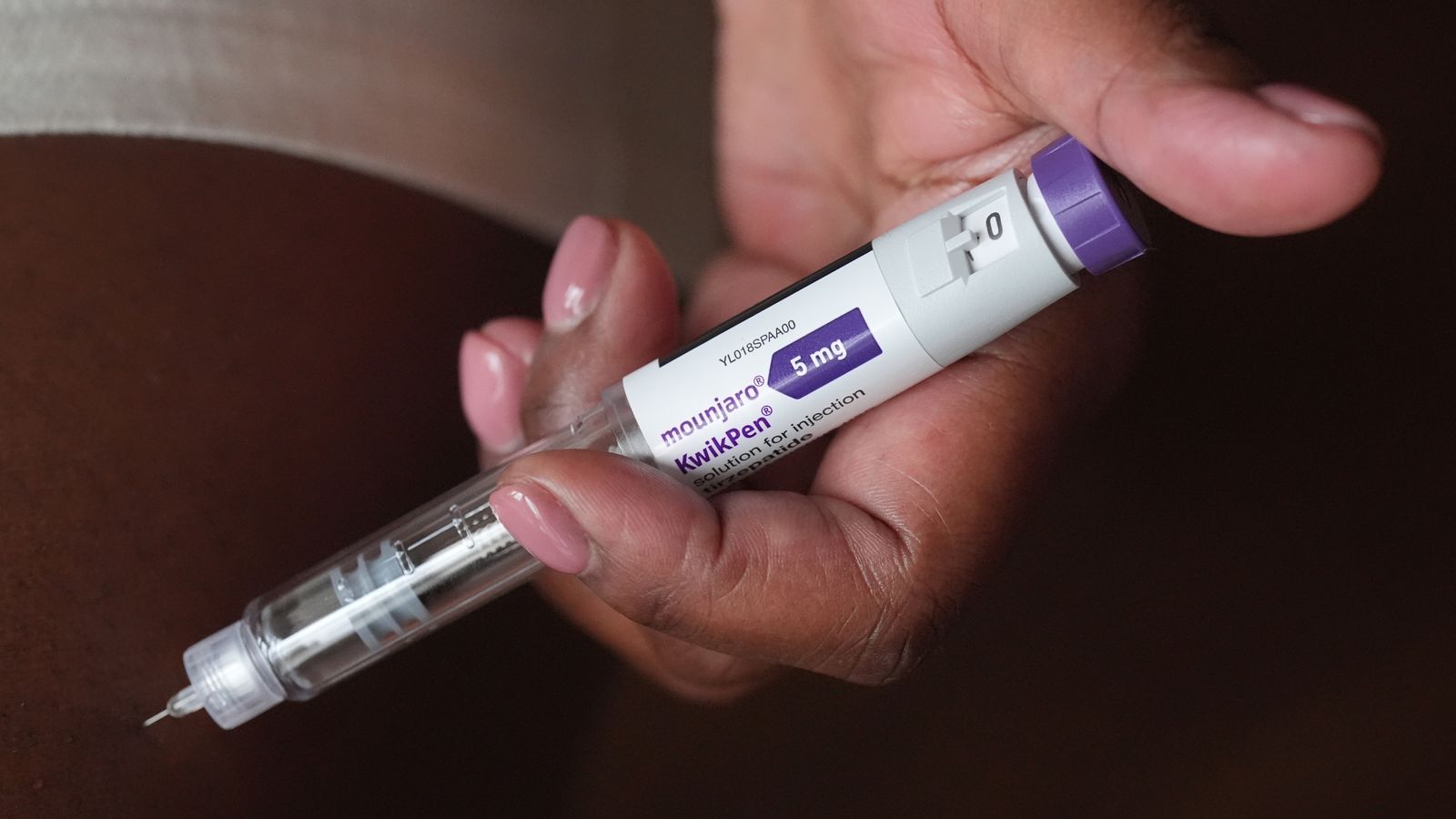
The problematic posts took various forms, all of which crossed legal boundaries. Some directly named specific weight-loss medications, while others used strategic hashtags that promoted these drugs. Many showed images of the distinctive injection pens used to administer the medication, creating instant visual recognition. Others encouraged their followers to “start their own weight-loss journey” with these products, often sweetening the deal with special discounts or financial incentives for signing up through their referral links. Catherine Drewett, an investigations manager at the ASA, made it clear that these rulings “send a clear message that affiliate marketing is not a loophole and that promoting prescription medicines through social media, whether as a brand, influencer or customer, is against the law and our rules.”
The companies involved in this controversy, including Voy and Zava, have responded by stating that the posts in question were shared independently by their customers, seemingly attempting to distance themselves from responsibility. However, this defense doesn’t address the fundamental issue: that prescription medications require proper medical oversight and cannot be casually promoted through social media networks, regardless of who is doing the promoting. The ASA’s decision emphasizes that ignorance of the law is not an excuse, and that both companies facilitating these referral programs and individuals participating in them need to understand the serious legal implications of promoting prescription-only medicines to the public.
Children Facing an Onslaught of Harmful Body-Changing Product Ads
The issue of online advertising extends far beyond weight-loss injections, with particularly concerning implications for young people. Dame Rachel de Souza, the Children’s Commissioner for England, has released a disturbing new report revealing that children are being routinely bombarded with advertisements for products claiming to change their bodies and appearance. The research, titled “A healthy influence? Children’s exposure to appearance-changing products online,” paints a troubling picture of the digital landscape young people navigate daily. An overwhelming 78% of children surveyed said these advertisements had a negative impact on their self-esteem, revealing the profound psychological toll of constant exposure to appearance-focused marketing.
Perhaps most alarmingly, 41% of 13 to 17-year-olds reported seeing promotions for prescription-only weight loss drugs—medications they cannot legally obtain and that require medical supervision to use safely. Beyond weight-loss medications, the report found that 54% of children had encountered exercise and diet plans online, while 52% had seen advertisements for food and drink products marketed specifically for weight loss. These statistics reveal an environment where young people, at their most vulnerable developmental stage, are constantly being told their bodies need changing, fixing, or improving. The fact that children are seeing these advertisements for medical products—which by law should not be advertised to the general public at all—demonstrates a massive failure in current advertising controls and platform oversight.
Dangerous and Illegal Products Targeting Vulnerable Groups
The problems don’t stop with weight-loss products. Dame Rachel’s report uncovered that many children, particularly those from ethnic minority backgrounds, are being exposed to advertisements for skin lightening products—46% of Black children and 35% of Asian children reported seeing such ads. What makes this especially concerning is that many of these skin lightening products are actually illegal in the UK because they contain toxic ingredients that can cause serious health problems. The targeting of these dangerous products toward children from specific ethnic backgrounds raises serious questions about algorithmic advertising and how online platforms may be perpetuating harmful beauty standards and even racism through their ad delivery systems.
Additionally, more than half of girls (56%) had seen advertisements for cosmetic procedures like dermal fillers and Botox, despite these treatments being strictly illegal for anyone under 18 years old. Two-thirds (66%) of children had been exposed to teeth whitening products, and the consequences of this constant advertising barrage are manifesting in real-world harm. The report found that 8% of children had actually bought or tried non-prescription pills claiming to aid weight loss, while 21% had purchased or tried food or drink products marketed for weight loss. Black children were found to be more likely than white children to try these products, exercise plans, and diet plans, suggesting that the advertising ecosystem is disproportionately affecting certain communities. Some children reported experiencing harmful reactions after buying appearance-changing products online, including infections from eyelash products containing unknown and potentially dangerous chemicals.
The Psychological Impact on Young People
The broader context for these findings is deeply concerning. Previous survey work by the Children’s Commissioner in 2024 found that only 40% of girls and 60% of boys were happy with how they look. This widespread body dissatisfaction among young people creates fertile ground for predatory advertising practices that promise quick fixes and transformations. When children who already feel insecure about their appearance are constantly exposed to products and procedures claiming to make them look better, the psychological impact can be devastating. The cycle becomes self-reinforcing: advertising creates or amplifies insecurities, which then makes young people more susceptible to the very products being advertised to them.
The normalization of “extreme and potentially dangerous appearance-changing products” through advertising, influencer culture, and organic social media posts creates an environment where children begin to see medical interventions and unregulated products as normal, safe, and desirable, even when they are “unsafe, illegal or strictly age-restricted,” as Dame Rachel pointed out. This normalization happens gradually, as children see their favorite influencers, celebrities, and even regular people in their social media feeds discussing and promoting these products. What might once have seemed extreme—injectable weight-loss medications, cosmetic procedures, skin-altering products—begins to seem routine and accessible, obscuring the very real health risks and legal restrictions surrounding many of these products.
Calls for Stronger Regulation and Protection
In response to these findings, Dame Rachel de Souza is calling for comprehensive changes to protect children from harmful advertising online. Her proposals include ending all advertising to children on social media platforms by amending the Online Safety Act, a piece of legislation designed to make the UK the safest place in the world to be online. She’s also pushing for changes to Ofcom’s Children’s Code of Practice to explicitly protect young people from body stigma content—the kind of material that makes them feel their natural appearance is inadequate or unacceptable. Additionally, she’s advocating for stronger regulation of online sales of age-restricted products, recognizing that current systems are clearly failing to prevent children from accessing products and services they legally shouldn’t be able to obtain.
These recommendations represent a recognition that the current regulatory framework is simply not adequate for the digital age. When everyday people can unknowingly break pharmaceutical advertising laws by sharing their experiences on Instagram, and when children are routinely exposed to advertisements for illegal or age-restricted products despite existing regulations, it’s clear that something fundamental needs to change. The intersection of social media culture, influencer marketing, affiliate programs, and inadequate enforcement has created a perfect storm where health and safety regulations are being circumvented on a massive scale. As weight-loss injections become increasingly popular among celebrities and public figures, the pressure on both adults and young people to access these medications—with or without proper medical supervision—will only increase. Stronger regulation, better enforcement, and greater public awareness about the legal and health implications of promoting prescription medicines are essential steps toward creating a safer online environment for everyone, but especially for the children who are most vulnerable to these harmful influences.