
Historic Oil Reserve Release Announced as Global Markets Reel from Middle East Crisis
Unprecedented Action to Counter Energy Supply Disruption
In an extraordinary move that underscores the severity of the current global energy crisis, the International Energy Agency announced on Wednesday that it would authorize the release of 400 million barrels of oil from its strategic reserve. This unprecedented decision represents the largest coordinated oil release in the organization’s nearly five-decade history, as the world economy struggles to cope with the devastating consequences of an escalating military conflict between the United States and Israel on one side and Iran on the other. The scale of this emergency intervention highlights just how serious energy officials believe the situation has become, with global markets facing their most significant supply disruption in years.
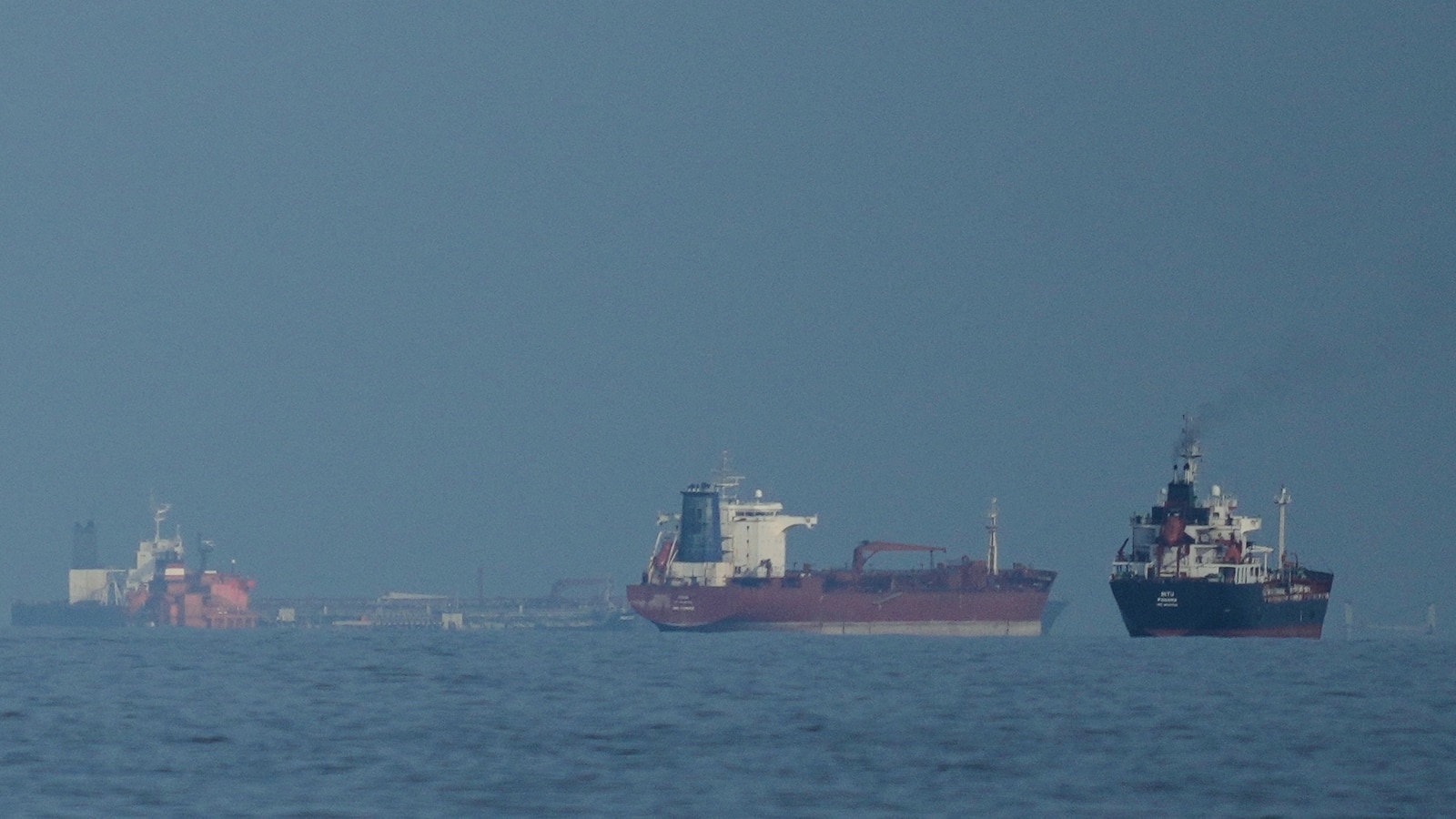
The decision to tap into these emergency reserves comes at a time when international oil markets are experiencing extreme volatility and uncertainty. Oil prices have surged dramatically since fighting broke out, driven by widespread fears among traders and energy analysts that the Strait of Hormuz—one of the world’s most critical oil transportation chokepoints—could remain blocked for an extended period. This narrow waterway, which sits between Iran and the Arabian Peninsula, serves as the maritime highway for approximately one-fifth of all the oil consumed globally each day. Before the conflict erupted, roughly 20 million barrels of crude oil passed through this strategic strait on a daily basis, feeding refineries across Asia, Europe, and beyond. However, according to Faithe Birol, who serves as the executive director of the International Energy Agency, tanker traffic through this vital corridor has now “all but stopped,” creating an immediate and severe supply shock to global markets.
The Strategic Importance and Limitations of the Reserve Release
The 400 million barrels being released from the IEA’s strategic petroleum reserve represents a substantial but ultimately finite intervention in global oil markets. To put this figure in perspective, this emergency supply would theoretically compensate for the lost flow of oil through the Strait of Hormuz for approximately twenty days, assuming the previous daily traffic levels of 20 million barrels. While this provides crucial short-term relief and helps prevent markets from spiraling into complete chaos, it also underscores the limited ability of strategic reserves to address a prolonged supply disruption. Prior to authorizing this latest massive release, the 32 member nations of the International Energy Agency collectively held approximately 1.2 billion barrels in their strategic petroleum reserves, according to previously published figures from the organization.
Birol addressed reporters at a Wednesday press conference, emphasizing the gravity of the situation facing global energy markets. “The conflict in the Middle East is having significant impacts on global oil and gas markets with major implications for energy security, energy affordability and the global economy,” he stated, capturing in a single sentence the interconnected challenges now confronting policymakers, businesses, and ordinary consumers around the world. The International Energy Agency, which was originally established in 1974 in the wake of the Arab oil embargo to coordinate energy policy among industrialized nations, now finds itself once again at the center of a major global energy crisis. Its 32 member countries, which include the United States, most European nations, Japan, South Korea, and other major economies, have agreed to this coordinated drawdown of their emergency supplies in an effort to stabilize markets and prevent even more dramatic price increases.
Oil Prices Surge Despite Reserve Release Announcement
Despite the announcement of this historic reserve release, oil prices have remained dramatically elevated compared to their levels before the conflict began. On Wednesday, U.S. crude oil prices hovered around $86 per barrel, representing a substantial 35% increase from price levels just one month earlier, before the outbreak of hostilities. Interestingly, while still significantly elevated, these prices had actually retreated somewhat from the panic levels seen earlier in the week, when crude briefly touched $119 per barrel on Monday—a peak that reflected the market’s worst-case scenario fears about a complete and prolonged closure of the Strait of Hormuz. The volatility in oil markets has been extraordinary, with prices swinging wildly based on news from the conflict zone and statements from political leaders about potential military operations to reopen the shipping lanes.
Energy analysts and market observers have warned that prices could climb considerably higher if the situation continues to deteriorate or if the blockage of the Strait of Hormuz persists for weeks or months rather than days. Some experts who spoke with media outlets in recent days have projected that oil prices stand at risk of climbing to $150 per barrel or even higher if supply disruptions continue and if global inventories begin to run low. Adding to these concerns, Saudi Aramco—the state-owned oil company of Saudi Arabia and the world’s largest oil exporter—issued a stark warning on Tuesday about the potential economic devastation that could result from a prolonged closure of this vital shipping route. The company warned of “catastrophic consequences” for global oil markets unless normal tanker traffic through the Strait of Hormuz can be restored in the near future, a statement that sent additional ripples of concern through financial markets already on edge.
Political Uncertainty and Mixed Messages from Washington
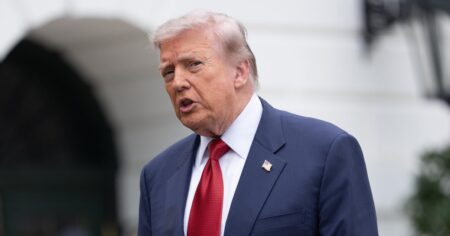
The response from the Trump administration has added another layer of uncertainty to an already volatile situation, with the president delivering seemingly contradictory messages about both the trajectory of the conflict and potential U.S. actions to address soaring oil prices. In recent days, President Trump has alternated between suggesting that the war might soon conclude and threatening dramatic military escalation. On Tuesday, oil prices actually retreated somewhat after the president indicated the previous day that the conflict could be nearing its end, providing temporary relief to markets desperate for positive news. However, these hopeful signals were complicated by a far more aggressive message Trump posted on social media just a day earlier, when he threatened that Iran would “be hit by the United States of America TWENTY TIMES HARDER” if it continued to impede commercial tanker traffic through the Strait of Hormuz.
Behind the scenes, U.S. military planners are preparing for various contingencies, including the possibility that they might be ordered to take direct action to protect commercial shipping. General Dan Caine, who serves as chairman of the Joint Chiefs of Staff, revealed at a Tuesday press conference that the U.S. military has begun examining operational plans for escorting commercial vessels through the strait, should President Trump decide to request such military action. This type of mission would represent a significant escalation of American military involvement in the region and would potentially put U.S. naval forces in direct confrontation with Iranian military units. The uncertainty about whether such operations will be ordered, and how Iran might respond if they are, continues to contribute to market volatility and keeps traders on edge about the future direction of oil prices and supply availability.
Economic Impact Already Being Felt by Consumers Worldwide
The disruption in global oil markets is already translating into tangible economic pain for ordinary consumers, particularly at gasoline stations across the United States and around the world. According to data compiled by AAA, the average price for a gallon of gasoline in the United States jumped to $3.57 on Wednesday, up sharply from just $2.97 per gallon only one month earlier, before the conflict began. This 60-cent increase in just thirty days represents a roughly 20% spike in fuel costs, putting additional strain on household budgets already stretched by several years of elevated inflation across many categories of goods and services. For families that depend on their vehicles for commuting to work, transporting children to school, and running essential errands, these higher fuel costs represent a direct hit to their standard of living and discretionary spending power.
Faithe Birol, speaking on behalf of the International Energy Agency, characterized the decision to release 400 million barrels from strategic reserves as a “major action” that demonstrates the seriousness with which the organization and its member governments view the current crisis. However, he was also candid about the limitations of even this historic intervention, acknowledging that releasing emergency oil supplies can only provide temporary relief and cannot substitute for a genuine resolution to the underlying supply disruption. “But, to be clear, the most important thing for a return to stable flows of oil and gas is the resumption of transit through the Strait of Hormuz,” Birol emphasized, highlighting that lasting stability in energy markets ultimately depends on diplomatic or military solutions that can restore normal shipping operations through this critical waterway. Until commercial tankers can once again safely navigate the strait without fear of military action, global oil markets are likely to remain volatile, prices are likely to stay elevated, and the world economy will continue to face significant headwinds from this ongoing energy supply crisis that shows no immediate signs of resolution.