
IEA Announces Historic Oil Reserve Release Amid Iran War Crisis
Global Emergency Response to Energy Security Threat
In an unprecedented move to stabilize global energy markets, the International Energy Agency announced on Wednesday that it would release 400 million barrels of oil from its emergency strategic reserves. This massive deployment represents the largest single release in the organization’s history and comes at a critical moment for the world economy. The decision was triggered by an ongoing conflict involving Iran that has effectively shut down the Strait of Hormuz, one of the world’s most vital energy chokepoints. Under normal circumstances, approximately twenty percent of the global oil supply passes through this narrow waterway, making its closure a matter of international concern with far-reaching economic implications. The IEA, which coordinates energy policy among developed nations, made this decision to prevent severe economic disruption and to reassure markets that there are mechanisms in place to handle supply shocks of this magnitude.
Understanding the Strategic Importance of the Strait of Hormuz
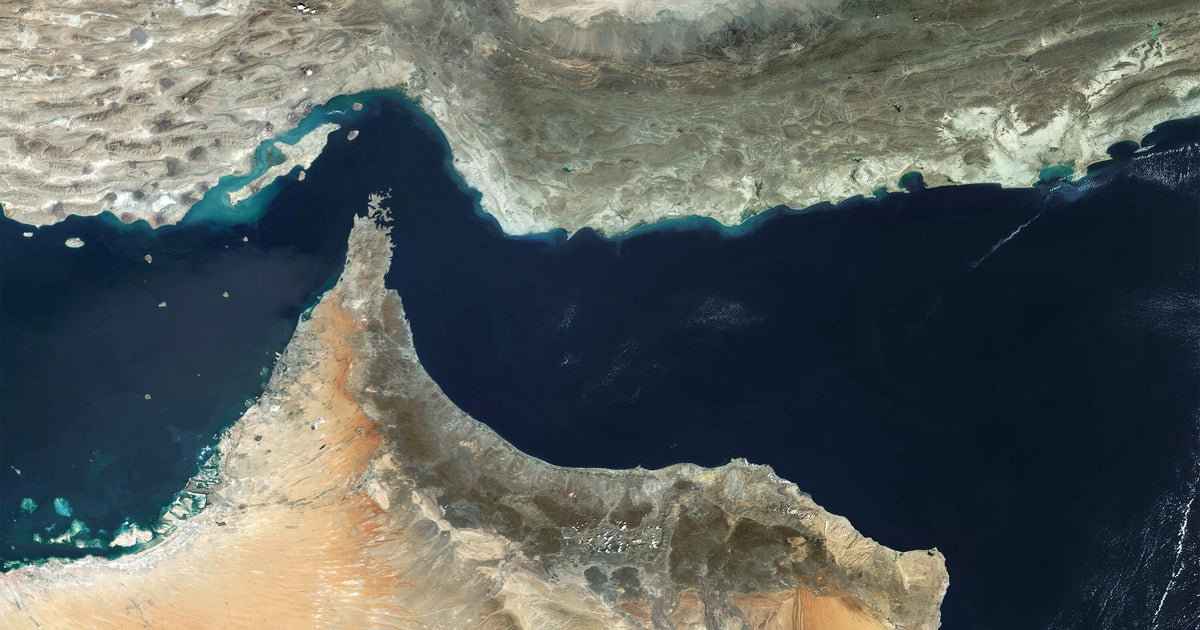
The Strait of Hormuz has long been recognized as one of the world’s most strategically important maritime passages. This narrow channel of water, located between the Persian Gulf and the Gulf of Oman, serves as the primary export route for oil from several of the world’s largest petroleum-producing nations, including Saudi Arabia, Iraq, the United Arab Emirates, and Kuwait. When functioning normally, tankers carrying roughly one-fifth of global oil supplies navigate these waters daily, supplying energy to economies across Asia, Europe, and beyond. The current conflict involving Iran has brought shipping through the strait to a virtual standstill, creating an immediate crisis in global energy markets. The closure doesn’t just affect the countries that produce oil in the region; it sends shockwaves throughout the entire global economy, as oil prices rise and countries scramble to secure alternative supplies. This situation demonstrates how vulnerable the modern world remains to disruptions in key geographic locations, despite decades of discussions about energy diversification and security.
Market Response and the Economics of Oil Price Stability
The financial markets responded swiftly to news of the IEA’s planned reserve release, with oil prices retreating to below $100 per barrel after having spiked significantly higher when the Strait of Hormuz situation first developed. Hamad Hussein, a climate and commodities economist with the investment advisory firm Capital Economics, offered his analysis of the situation in a note to clients, suggesting that the large-scale release of strategic reserves would indeed help bring prices down in the immediate term. The psychology of oil markets is such that even the announcement of additional supply can have a calming effect, as traders adjust their positions based on anticipated future conditions rather than just current realities. However, Hussein was careful to add an important caveat to his analysis: the sustainability of lower oil prices depends entirely on how the underlying conflict evolves. If the situation escalates or the closure of the Strait of Hormuz extends for a prolonged period, even 400 million barrels from strategic reserves may prove insufficient to keep prices stable over the long term.
The Strategic Petroleum Reserve System Explained
The concept of strategic petroleum reserves was developed in response to the oil shocks of the 1970s, when sudden disruptions in Middle Eastern oil supplies caused economic chaos in developed countries. The International Energy Agency was established in 1974 with the specific mission of coordinating energy security among member nations. Each member country maintains its own strategic reserves—large underground storage facilities filled with crude oil that can be tapped during emergencies. The United States, for example, maintains the Strategic Petroleum Reserve in underground salt caverns along the Gulf Coast, with a capacity of hundreds of millions of barrels. These reserves are intended to serve as a buffer against exactly the kind of supply disruption currently being caused by the Iran conflict. The 400 million barrel release announced by the IEA represents a coordinated effort among multiple member nations, each contributing a portion from their individual reserves. This multilateral approach ensures that no single country bears the full burden of addressing the crisis, and it sends a powerful signal to global markets that the world’s major economies are united in their response to the emergency.
Geopolitical Implications and Energy Security Concerns
The current crisis highlights the ongoing geopolitical tensions that surround global energy supplies and the precarious nature of international energy security. Iran has long held a strategic position in global oil markets, both as a producer and as the country controlling the southern shore of the Strait of Hormuz. Throughout recent decades, there have been periodic threats to close the strait during times of heightened tensions, and the current conflict has transformed that theoretical threat into a practical reality. The situation raises fundamental questions about the world’s continued dependence on fossil fuels transported through vulnerable chokepoints, and it may accelerate discussions about energy transition and the development of alternative supply routes. For countries heavily dependent on oil imports, the crisis serves as a stark reminder of their vulnerability to events beyond their control. It also demonstrates the complex interplay between military conflicts, international diplomacy, and economic stability. The IEA’s reserve release, while addressing the immediate supply shortage, cannot resolve the underlying geopolitical tensions that created the crisis in the first place.
Looking Ahead: Uncertainty and the Path Forward
As this story continues to develop, the global community watches anxiously to see how events will unfold. The IEA’s historic reserve release buys time and provides a cushion against the most severe economic impacts of the Strait of Hormuz closure, but it is not a permanent solution. The 400 million barrels, while substantial, represent a finite resource that will eventually be depleted if the crisis continues. The ultimate resolution will depend on diplomatic efforts to end the conflict and reopen the critical waterway to commercial shipping. In the meantime, countries around the world are likely exploring alternative supply arrangements, activating dormant production capacity where possible, and implementing conservation measures to reduce demand. The energy markets will remain volatile as traders react to each new development in the conflict, and consumers may face higher prices at the gas pump and increased costs for goods that depend on petroleum for production or transportation. This situation serves as a powerful reminder of how interconnected the global economy has become and how events in one region can rapidly affect the daily lives of people thousands of miles away. As updates continue to emerge, the world will be watching closely to see whether diplomatic solutions can be found, whether the reserve releases will be sufficient, and what longer-term lessons might be learned about building more resilient and secure energy systems for the future.