



Escalating Conflict: Understanding the Latest Developments in the Middle East Crisis
Israeli Strikes Target High-Level Iranian Officials
In a dramatic escalation of the ongoing conflict between Israel and Iran, Israeli Defense Minister Israel Katz announced on Wednesday that Iran’s Minister of Intelligence, Esmaeil Khatib, was killed in an overnight airstrike in Tehran. This represents one of the most significant strikes against Iran’s leadership structure and signals a potentially dangerous new phase in the confrontation between the two nations. Minister Katz’s statement came with an ominous warning that more “significant surprises” were coming throughout Wednesday, suggesting coordinated operations across multiple theaters of conflict. He also revealed that Israeli military commanders had been given unprecedented authority to strike any senior Iranian official identified by intelligence services without needing to seek approval from political leadership first. This delegation of targeting authority demonstrates both the intensity of Israel’s campaign and the speed at which military operations are now unfolding. “The intensity of attacks in Iran is increasing,” Katz stated plainly, leaving little doubt about Israel’s intentions to maintain pressure on Iranian leadership and military infrastructure.
Civilian Casualties Mount in Lebanese Capital
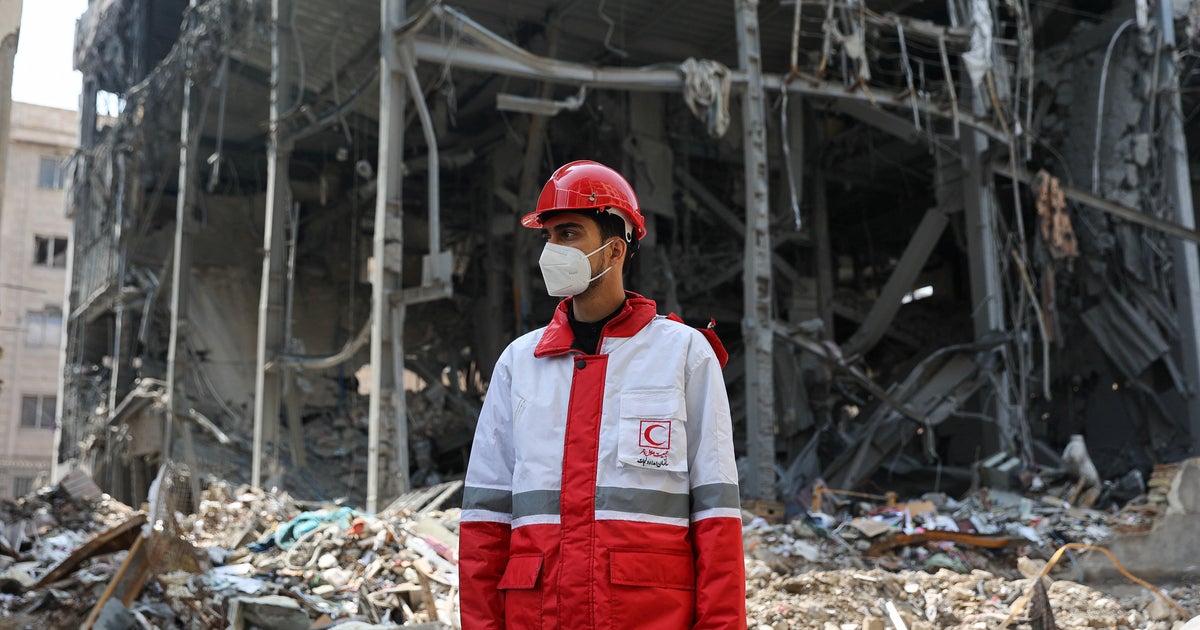
While operations continued against Iran, Israeli military strikes expanded dramatically in Beirut, Lebanon’s capital city, resulting in at least twelve deaths on Wednesday morning according to the Lebanese health ministry. The strikes hit residential neighborhoods including Basta, Zuqaq al-Blat, and Bachoura in central Beirut, areas that had previously been considered relatively safer from Israeli attacks. Perhaps most dramatically, an apartment building in Bachoura was completely flattened as dawn broke, captured in devastating imagery by news agencies. These strikes represent a significant shift in Israeli targeting strategy, as attacks on central Beirut have become increasingly frequent in recent days, often occurring with little or no advance warning to residents. Earlier in the conflict with Hezbollah, Israeli forces had primarily focused on Beirut’s southern suburbs, typically issuing evacuation warnings before strikes. The expansion of operations into the heart of Lebanon’s capital, where civilians have no advance notice to seek shelter, raises serious concerns about the humanitarian impact of the escalating conflict and suggests that Israel’s military objectives have broadened considerably as the war continues.
Regional Diplomacy Attempts to Address Growing Crisis
As military operations intensified across multiple fronts, Saudi Arabia moved quickly to convene an emergency diplomatic gathering, announcing it would host a consultative meeting of foreign ministers from various Arab and Islamic countries. The Saudi Ministry of Foreign Affairs stated the meeting’s purpose was “to achieve further consultation and coordination on ways to support security and stability of the region,” reflecting growing regional alarm at the rapid escalation of hostilities. Turkey’s Foreign Minister Hakan Fidan confirmed his attendance at the Saudi-hosted meeting, with Ankara specifically noting that the discussions would focus on recent developments following Turkey’s announcement of a regional diplomatic initiative aimed at ending what officials are now calling the “Iran war.” This diplomatic flurry demonstrates that regional powers recognize the potential for the conflict to destabilize the entire Middle East, with consequences that could affect economic interests, refugee flows, and the balance of power throughout the area. However, the timing of these diplomatic efforts, occurring as military operations intensify rather than wind down, raises questions about whether the parties involved are genuinely ready to compromise or whether this represents an attempt to manage escalation rather than achieve a lasting ceasefire.
Iran’s Oil Exports Continue Despite Claims of Strait Closure
Despite Iran’s public declarations that it has closed the strategically vital Strait of Hormuz to vessels from the United States and its allies, maritime data reveals a more complex reality on the water. Approximately ninety ships, including numerous oil tankers, have successfully transited the narrow waterway since the beginning of the conflict, and analysts monitoring trade patterns report that Iran continues to export millions of barrels of oil. Many of these vessels are conducting what experts call “dark” transits—shipping operations that evade Western sanctions through various technical means, including turning off transponders, ship-to-ship transfers, and falsified documentation. These vessels likely have direct or indirect ties to Iran’s own export operations or to buyers willing to circumvent international restrictions. More recently, ships with connections to India and Pakistan have also successfully navigated the strait as their governments have intensified negotiations to maintain access to energy supplies. The continued flow of commerce through the Strait of Hormuz, despite the ongoing conflict, demonstrates both the critical importance of this waterway to global energy markets and the practical limitations on Iran’s ability to completely close it without causing economic damage to itself and its remaining trading partners.
Iranian Missiles Penetrate Israeli Defenses with Deadly Results
The human cost of Iran’s retaliatory missile attacks became tragically clear when two people were killed near Tel Aviv overnight, victims not of a direct missile strike but of debris from intercepted Iranian missiles falling onto residential areas. Israel’s Magen David Adom emergency response agency reported that police had identified several impact sites throughout the city, with the most devastating occurring in an apartment building in the Ramat Gan area where responders found two victims described as having “severe injuries to their bodies” and no signs of life. CBS News national security correspondent Charlie D’Agata provided crucial context about Iran’s evolving tactics, explaining that the latest attacks have included cluster munitions specifically designed to overwhelm Israel’s sophisticated multi-layered air defense systems. These weapons release dozens of smaller bomblets while in flight, creating what eyewitnesses described as comet-like streaks across Tel Aviv’s night sky before the munitions rain down indiscriminately across urban areas. Defense officials speaking to CBS News acknowledged that without Israel’s Iron Dome, David’s Sling, and Arrow systems, along with early warning networks that give civilians precious seconds to reach shelters, the death toll would almost certainly be much higher. As it stands, fourteen people have been killed by Iran’s attacks in Israel, with two additional deaths attributed to medical circumstances related to the strikes, such as heart attacks during shelter evacuations.
U.S. Military Strikes Iranian Coastal Defenses
The United States military’s Central Command announced its own significant operations against Iranian military infrastructure, revealing that American forces had successfully deployed multiple 5,000-pound deep penetrator munitions against hardened Iranian missile sites positioned along the coastline near the Strait of Hormuz. These massive bunker-busting weapons are specifically designed to destroy underground or heavily fortified facilities that conventional munitions cannot reach. CENTCOM stated that the targeted sites housed Iranian anti-ship cruise missiles that “posed a risk to international shipping in the strait,” justifying the strikes as necessary to protect commercial vessels navigating these contested waters. Interestingly, while these missile installations certainly represent a threat to maritime traffic, Iran’s actual attacks on shipping have relied at least as much on air and sea drones as on traditional missile systems, suggesting the U.S. strikes may serve dual purposes—eliminating immediate threats while also degrading Iran’s broader military capabilities for a sustained conflict. The use of such powerful munitions against coastal defenses underscores American commitment to maintaining freedom of navigation through the Strait of Hormuz, through which approximately one-fifth of global oil supplies pass, and signals that the United States is willing to conduct significant military operations to prevent Iran from effectively closing this critical waterway to international commerce.