
U.S. Detects Potential Iranian Sleeper Cell Activation Following Supreme Leader’s Death
Encrypted Communications Raise Security Concerns
In the wake of escalating tensions between the United States and Iran, American intelligence agencies have intercepted mysterious encrypted communications that security experts believe may have originated from Iran. According to a federal alert distributed to law enforcement agencies across the country and subsequently reviewed by ABC News, these transmissions could represent what officials are calling “an operational trigger” designed to activate covert Iranian operatives or sleeper cells positioned outside the country. The interception comes at a particularly sensitive moment in international relations, following the death of Iran’s Supreme Leader Ayatollah Ali Khamenei in a joint U.S.-Israeli military operation on February 28. The timing of these communications, appearing shortly after Khamenei’s death, has raised serious concerns among American security officials about potential retaliatory actions that could be carried out by Iranian operatives embedded in Western countries.
Technical Analysis of the Intercepted Transmissions
The federal alert details what intelligence analysts describe as “preliminary signals analysis” of transmissions that bear the hallmarks of sophisticated covert communication. What makes these particular communications especially concerning is their technical characteristics: the messages were encoded using encryption methods and appeared to be routed through multiple countries before reaching their final destinations. This kind of complex relay system is typically employed when the sender wants to obscure both the origin and the intended recipients of the message. Security experts note that the transmissions were clearly destined for “clandestine recipients” who possess the specific encryption keys needed to decode the messages. This methodology is consistent with how intelligence agencies and covert operatives communicate when they want to impart instructions without relying on conventional internet or cellular networks, which are more easily monitored and traced by counterintelligence services. The sophisticated nature of these communications suggests a well-established and professionally managed network of operatives.
Understanding Sleeper Assets and Their Purpose
The concept of sleeper assets or sleeper cells refers to covert operatives who maintain seemingly normal lives in a target country while waiting for activation orders from their handlers. These individuals or groups remain dormant, sometimes for years, blending into their communities and establishing legitimate cover identities until they receive instructions to carry out specific missions. The federal alert specifically warns that the intercepted transmissions could “be intended to activate or provide instructions to prepositioned sleeper assets operating outside the originating country.” This assessment is based on the transmission’s technical characteristics and the geopolitical context in which it appeared. The use of shortwave radio broadcasts and encrypted messages is a time-tested method of communicating with such assets, as it bypasses modern digital infrastructure that intelligence agencies routinely monitor. What particularly concerns security officials is that the alert describes “the sudden appearance of a new station with international rebroadcast characteristics,” suggesting that Iran may have activated a previously unused communication channel specifically in response to recent events.
The Geopolitical Context and Rising Tensions
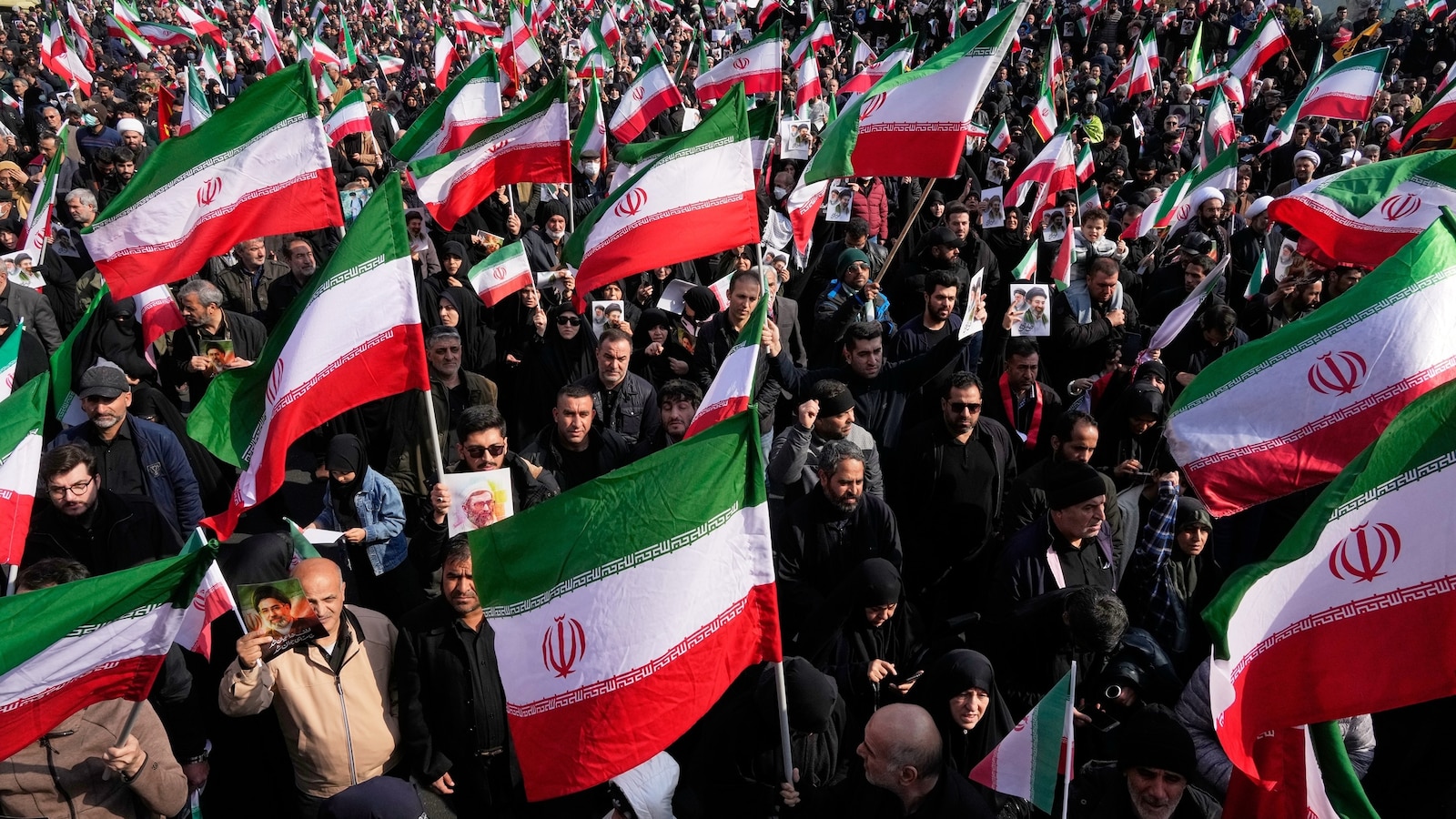
The interception of these communications cannot be separated from the dramatic events that preceded them. The death of Ayatollah Ali Khamenei in a coordinated U.S.-Israeli attack represents one of the most significant escalations in the long-standing conflict between Western powers and Iran. Khamenei had served as Iran’s Supreme Leader, making him not just a political figure but also a religious authority with immense influence over the country’s direction and its network of proxy forces throughout the Middle East and beyond. His death in a targeted strike has sent shockwaves through the region and prompted massive rallies in Tehran, where crowds gathered at Enghelab Square and other locations to support the nomination of Ayatollah Mojtaba Khamenei, the late leader’s son, as his successor. The images of security forces deployed throughout Tehran and demonstrators holding Iranian flags illustrate the internal mobilization happening within Iran. Against this backdrop of domestic Iranian solidarity and international outrage from Iranian allies, American security officials have been on high alert for potential retaliatory actions that could target U.S. interests or allies anywhere in the world.
Law Enforcement Response and Precautionary Measures
While the federal alert is careful to note that there is currently “no operational threat tied to a specific location,” it nonetheless instructs law enforcement agencies throughout the United States to significantly increase their vigilance. Specifically, authorities have been directed to enhance their monitoring of suspicious radio-frequency activity that might indicate further communications with potential sleeper cells or the activation of covert operations. This represents a substantial shift in the security posture of federal, state, and local law enforcement agencies, who must now balance the need for heightened awareness with the absence of specific, actionable intelligence about particular threats. The alert acknowledges that “the exact contents of these transmissions cannot currently be determined,” which presents a significant challenge for security officials trying to assess the nature and imminence of any potential threat. The encrypted nature of the communications means that while intelligence agencies can detect and track the transmissions, they cannot read the actual instructions being sent to potential operatives, leaving them to work with incomplete information as they attempt to prevent possible attacks.
Implications and the Broader Security Landscape
If the intelligence assessment contained in this alert proves accurate, it would validate longstanding concerns among American and allied security officials about Iran’s capacity and willingness to use embedded sleeper cells for retaliatory operations. Following the joint U.S.-Israeli strike that killed Khamenei, law enforcement officials privately expressed fears that Iran might activate covert assets positioned throughout Western countries to carry out revenge attacks. These concerns are rooted in historical precedent—Iran has previously been linked to attacks carried out far from its borders through proxy forces and covert operatives. The current situation represents a particularly dangerous moment because Iran may feel compelled to respond forcefully to demonstrate strength during a leadership transition and to satisfy domestic demands for retaliation. The international community now finds itself in a tense waiting period, with security services working around the clock to identify potential operatives, monitor suspicious activities, and prevent attacks before they can be carried out. The coming weeks and months will likely see continued heightened security measures at sensitive locations, increased information sharing among allied intelligence agencies, and intense efforts to decrypt the intercepted messages and identify their intended recipients. This incident serves as a stark reminder of the complex and often invisible dimensions of modern international conflict, where sophisticated communication technologies enable nations to project power and conduct operations far beyond their borders through networks of operatives whose existence may only become apparent when they are activated for action.