
Understanding Iran’s War Economy: Expert Analysis and Answers
The Current State of Iran’s Economic Challenges
Iran’s economic situation has become increasingly complex as the nation navigates severe international sanctions, regional conflicts, and internal political pressures. The country’s economy has been functioning under what experts describe as a “war economy” – a state where economic activity is heavily influenced by military considerations, conflict preparedness, and the need to sustain operations despite external pressures. This economic model has forced Iran to develop alternative systems for trade, finance, and resource allocation that bypass traditional international mechanisms. The Iranian government has had to make difficult choices about resource distribution, prioritizing military and strategic sectors while ordinary citizens face the consequences through inflation, currency devaluation, and limited access to goods and services.
The sanctions regime imposed primarily by the United States and supported by European allies has dramatically reshaped how Iran conducts international business. These restrictions have targeted Iran’s oil exports, its primary source of revenue, along with its banking sector, making it extremely difficult for the country to engage in standard international transactions. Iranian businesses and government entities have been forced to develop creative workarounds, including barter arrangements, cryptocurrency transactions, and trading through intermediary countries willing to risk secondary sanctions. This economic isolation has pushed Iran closer to countries like China and Russia, creating alternative economic partnerships that operate outside Western-dominated financial systems. The result is an economy that functions, but at a reduced capacity, with citizens bearing much of the burden through reduced living standards and limited economic opportunities.
How Iran Finances Its Operations Despite Sanctions
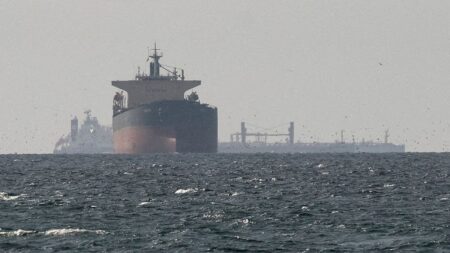
One of the most pressing questions about Iran’s war economy concerns how the government continues to fund its operations, including support for regional allies and proxy forces, despite facing some of the most comprehensive sanctions ever imposed on a nation. The answer lies in a combination of sanctions evasion, strategic partnerships, and economic adaptation. Iran has developed sophisticated networks for selling oil on the black market, often using ship-to-ship transfers in international waters, false documentation, and willing buyers in countries less concerned about American sanctions. These covert operations, while less profitable than open market sales, still generate billions of dollars annually that help sustain government operations and fund regional activities.
Beyond oil smuggling, Iran has diversified its economy in ways that make it more resilient to external pressure. The country has invested heavily in domestic production capabilities, reducing dependence on imports for many goods. This import substitution strategy, while not always producing goods of comparable quality to international products, has helped maintain basic economic function and created employment. Additionally, Iran has leveraged its strategic position and natural resources to maintain relationships with neighboring countries who need Iranian goods, services, or transit routes. The government has also developed a significant informal economy, with estimates suggesting that as much as 40% of economic activity occurs outside official channels, making it difficult for sanctions to completely strangle the nation’s economic life.
The Human Cost and Social Implications
While governments and military planners focus on strategic considerations, the real impact of Iran’s war economy is felt most acutely by ordinary citizens. The Iranian rial has lost significant value over the years, meaning that savings have been devastated and purchasing power dramatically reduced. A middle-class family that once could afford international vacations, imported goods, and comfortable living now struggles with basics. Inflation has been persistent and severe, with food prices, healthcare costs, and housing expenses consuming increasing portions of household income. Young Iranians, particularly those with education and skills, face limited job prospects in an economy that cannot generate sufficient high-quality employment opportunities.
The social fabric has been strained as economic pressures mount. Brain drain has accelerated, with talented professionals seeking opportunities abroad where their skills can be better rewarded and where they can escape the economic uncertainty at home. This emigration of human capital further weakens Iran’s long-term economic prospects, creating a vicious cycle. Healthcare has deteriorated as sanctions have made it difficult to import medicines and medical equipment, with cancer patients and those with chronic conditions particularly affected. The government’s focus on maintaining strategic capabilities means less investment in social services, education, and infrastructure that would improve quality of life. Protests have erupted periodically, often triggered by economic grievances, though they frequently take on broader political dimensions as citizens express frustration with governance more generally.
Regional Implications and the Broader Middle East Impact
Iran’s economic model doesn’t exist in isolation but has significant implications for regional stability and the broader Middle Eastern economic landscape. The country’s support for various groups throughout the region – from Hezbollah in Lebanon to militias in Iraq, Syria, and Yemen – is funded through this war economy structure. Despite economic constraints at home, Iran has maintained these strategic relationships, viewing them as essential to its regional influence and security. This creates a paradox where Iranian citizens suffer economic hardship while resources flow to external commitments, a source of domestic resentment but a strategic priority for the leadership.
The regional economic impact extends beyond direct funding of allied groups. Iran’s ability to disrupt shipping lanes, particularly in the strategically vital Strait of Hormuz through which a significant portion of global oil supplies pass, gives it leverage disproportionate to its economic size. Tensions involving Iran can spike global oil prices, affecting economies worldwide. Countries in the region must factor Iran into their economic planning, whether as a potential trade partner, a security threat, or both. The war economy model has also inspired or informed other nations facing sanctions or international isolation, demonstrating both the possibilities and limitations of economic resistance to Western pressure. Saudi Arabia, the UAE, and other Gulf states have had to invest heavily in defense and security, partly in response to Iranian capabilities maintained through this economic model.
Future Scenarios and Potential Pathways Forward
Looking ahead, several possible trajectories exist for Iran’s war economy, each with different implications for the region and the world. One scenario involves continued economic attrition, where sanctions and isolation gradually weaken Iran’s capabilities while creating increasing domestic pressure for change. This approach assumes that economic pain will eventually force either behavioral change or internal political transformation. However, decades of sanctions suggest that this pressure, while real, has not produced the outcomes Western policymakers hoped for, and may have actually entrenched hardline positions by validating narratives of external threats.
Another possibility involves some form of diplomatic breakthrough that could lead to sanctions relief in exchange for verifiable changes in Iranian behavior, particularly concerning nuclear development and regional activities. Such an outcome would likely trigger rapid economic changes as Iran reintegrated into the global economy, potentially unleashing pent-up economic potential and improving living conditions for citizens. However, the political obstacles to such agreements remain substantial on all sides, with deep mistrust and competing interests making comprehensive deals difficult to achieve. A third scenario involves continued adaptation, where Iran’s war economy becomes increasingly sophisticated and resilient, integrated with alternative global economic systems centered on China and other nations less aligned with Western priorities. This could lead to a more permanent bifurcation of global economic systems, with Iran functioning adequately within a parallel structure. The most likely outcome may be some combination of these scenarios, with periods of tension and relief, gradual evolution of economic relationships, and continued uncertainty that characterizes much of the Middle East’s geopolitical landscape. Whatever path emerges, the human dimension remains crucial – millions of Iranians seeking better lives, regional populations affected by decisions made in Tehran and other capitals, and a global community with interests in stability, energy supplies, and peaceful resolution of conflicts.