
British Families Face Economic Squeeze as Middle East Conflict Drives Up Prices
Energy Crisis Threatens Household Budgets Across the UK
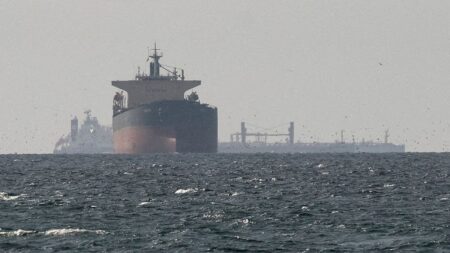
British families are being warned to prepare themselves for significant financial hardship as the ongoing conflict involving Iran sends shockwaves through global energy markets. The situation has deteriorated rapidly since tensions escalated between the United States and Iran, with Donald Trump’s administration taking an aggressive stance that has sparked a dangerous cycle of military action and retaliation. The consequences are now being felt thousands of miles away in British homes, where the cost of everyday living is set to climb substantially. Tehran’s response to the conflict has included strategic strikes on crucial energy infrastructure throughout the Gulf region, targeting the very facilities that keep oil and gas flowing to international markets. Perhaps even more significantly, Iran has severely restricted passage through the Strait of Hormuz, one of the world’s most vital shipping channels through which a massive portion of global oil supplies must pass. Meanwhile, Israel has conducted its own military operations, including strikes on Iran’s South Pars gas field, recognized as the largest natural gas field anywhere on the planet. The combined effect of these actions has been nothing short of dramatic for energy prices worldwide.
The numbers paint a stark picture of just how quickly things have changed. Brent crude oil, the international benchmark that influences fuel prices across Britain, is currently trading at approximately $110 per barrel. Just weeks ago, before the conflict began, that same barrel of oil cost around $72. That represents an increase of more than 50% in an extraordinarily short period. The situation with natural gas is equally alarming. Wholesale gas prices have nearly doubled, jumping from 77 pence per unit just three weeks ago to around 150 pence today. These aren’t abstract figures that only matter to energy traders and economists—they translate directly into higher bills for heating homes, fueling vehicles, and powering the businesses that employ British workers. When energy becomes more expensive, the ripple effects touch virtually every aspect of the economy, because energy is essential to producing, transporting, and selling almost everything we buy.
Inflation and Interest Rates Set to Climb
The financial experts who study these trends are now drastically revising their predictions for the British economy, and the news isn’t encouraging for households already struggling with the cost of living. Economists are forecasting that inflation could reach 5% this year, a figure that would represent a significant increase in the general price level of goods and services. To put this in perspective, just a few weeks ago, before the war began, these same economists had been predicting that inflation would fall to the Bank of England’s target rate of 2%. That’s a massive swing in expectations in a very short time. Ed Conway, who serves as Sky News’s economics and data editor, used the word “extraordinary” to describe these sudden shifts in the economic outlook. What makes the situation particularly challenging is that higher inflation typically forces the Bank of England to raise interest rates as a way to cool down the economy and prevent prices from spiraling out of control.
Interest rate increases, while designed to combat inflation, create their own set of problems for ordinary families. When the Bank of England raises its base rate, borrowing becomes more expensive across the board. The expectation just weeks ago had been that interest rates would actually be cut twice this year, providing some relief to borrowers. Now, the opposite is happening. Some analysts in the City of London are predicting that the Bank could raise rates two or even three times before the end of 2026, potentially pushing the base rate from its current level of 3.75% up to 4.5%. The Bank announced on Thursday that it would hold rates steady for now, but traders are already pricing in likely increases in June, July, and December. For anyone with a mortgage, credit card debt, or personal loans, this means their monthly payments are likely to increase, putting additional strain on household budgets that are already stretched thin by rising prices for food, energy, and other essentials.
Mortgage Holders Feel Immediate Impact
The effects of these economic shifts are already being felt in the housing market, where mortgage rates have climbed sharply in recent days. According to Moneyfacts, a financial information company that tracks these trends, the typical two-year fixed-rate mortgage has jumped to 5.3% as of Thursday. At the start of this month, that same mortgage would have carried a rate of 4.83%. That might not sound like a huge difference, but on a typical mortgage of several hundred thousand pounds, it translates into hundreds of pounds in additional payments each year. What’s particularly concerning is that this represents the highest level for two-year fixed mortgages since April 2025, suggesting we’re moving backward rather than forward in terms of affordability. Five-year fixed-rate deals are similarly expensive, now standing at 5.35%, which is the highest they’ve been since August 2024.
For families who are currently shopping for a new home or coming to the end of their existing fixed-rate period, these increases represent a genuine crisis. Many homeowners who locked in low rates several years ago are now facing the prospect of their monthly mortgage payments increasing by hundreds of pounds when they need to remortgage. First-time buyers are finding it increasingly difficult to get on the property ladder, as higher interest rates mean they can borrow less money for the same monthly payment. The dream of homeownership, already difficult to achieve for many young people in Britain, is slipping further out of reach. Meanwhile, the government itself is facing higher borrowing costs, with the rate at which it can borrow money on financial markets increasing at the fastest pace since the disastrous mini-budget introduced by Liz Truss in 2022. That ill-fated budget, you may recall, sent the pound plummeting and mortgage rates soaring, ultimately leading to Truss’s resignation after just 49 days in office. Higher government borrowing costs mean less money available for public services and investment, further damaging the country’s economic growth prospects at a time when growth is desperately needed.
Government Responds with Limited Support Measures
Prime Minister Sir Keir Starmer’s government has announced some measures intended to help those most severely affected by the economic fallout from the Middle East conflict, though critics argue these don’t go far enough. A £53 million package has been earmarked specifically for households that rely on heating oil rather than mains gas. These are often rural homes in areas where connection to the gas network isn’t available, and they’re particularly vulnerable to price spikes because they typically need to buy their heating fuel in bulk, requiring large upfront payments when prices are high. Sir Keir had already made the cost of living a central focus of his government’s agenda in recent months, but he has acknowledged that families will inevitably feel additional pressure as energy prices continue to rise due to the ongoing conflict.
The prime minister has been clear in his assessment that the duration of the war will directly determine its economic impact on British households. “The longer the war goes on, the bigger impact on the cost of living,” he stated on Thursday night. His proposed solution is diplomatic rather than military: “The best way forward is a negotiated settlement with Iran,” he argued. This position has proven controversial, particularly in Washington, where the White House has repeatedly expressed frustration with Britain’s reluctance to fully support American military actions in the region. Sir Keir’s opposition to the war and his unwillingness to commit British forces to offensive operations alongside the United States and Israel appears to have substantial public support within the UK, where memories of the Iraq War and its consequences remain fresh. However, it has undoubtedly strained the “special relationship” between London and Washington, with potential long-term implications for British foreign policy and security arrangements.
UK Military Involvement Remains Defensive
Despite his diplomatic stance, the prime minister hasn’t entirely kept Britain out of the military dimension of the crisis. Defence Secretary John Healey has made it clear that the UK will “step up” its defensive support for allied nations in the Gulf region that have found themselves targeted by Iranian strikes. Speaking during a visit to Dreghorn Barracks in Edinburgh, Mr. Healey characterized Iranian attacks on energy facilities in Saudi Arabia, Qatar, and Kuwait as a “serious escalation” that demands a response. British military assets, including Royal Air Force jets, have already been deployed to the Middle East as part of this defensive posture. These aircraft are positioned to intercept incoming missiles and drones targeting civilian infrastructure and energy facilities, rather than to conduct offensive strikes against Iranian territory.
Behind the scenes, UK military planners are actively collaborating with their American counterparts and other allies on strategies for reopening the Strait of Hormuz to commercial shipping. This narrow waterway, just 21 miles wide at its narrowest point, is absolutely critical to global energy supplies. Approximately 21 million barrels of oil pass through it every day, representing about 21% of global petroleum consumption. Iran’s ability to threaten this chokepoint gives it enormous leverage in the conflict, and finding a way to ensure safe passage for oil tankers without escalating the military situation further represents one of the most significant challenges facing Western military and diplomatic strategists. The situation remains fluid and dangerous, with the potential for miscalculation or accident to trigger a wider regional war that could send energy prices even higher and plunge the global economy into recession. For British families watching these events unfold, the immediate concern is more practical: how to pay the bills when everything from petrol to heating to groceries continues to become more expensive, while wages struggle to keep pace and the prospect of higher interest rates looms on the horizon.