
Oil Prices Surge Past $100 as Middle East Tensions Escalate
Violence in Iraqi Waters Disrupts Global Energy Markets
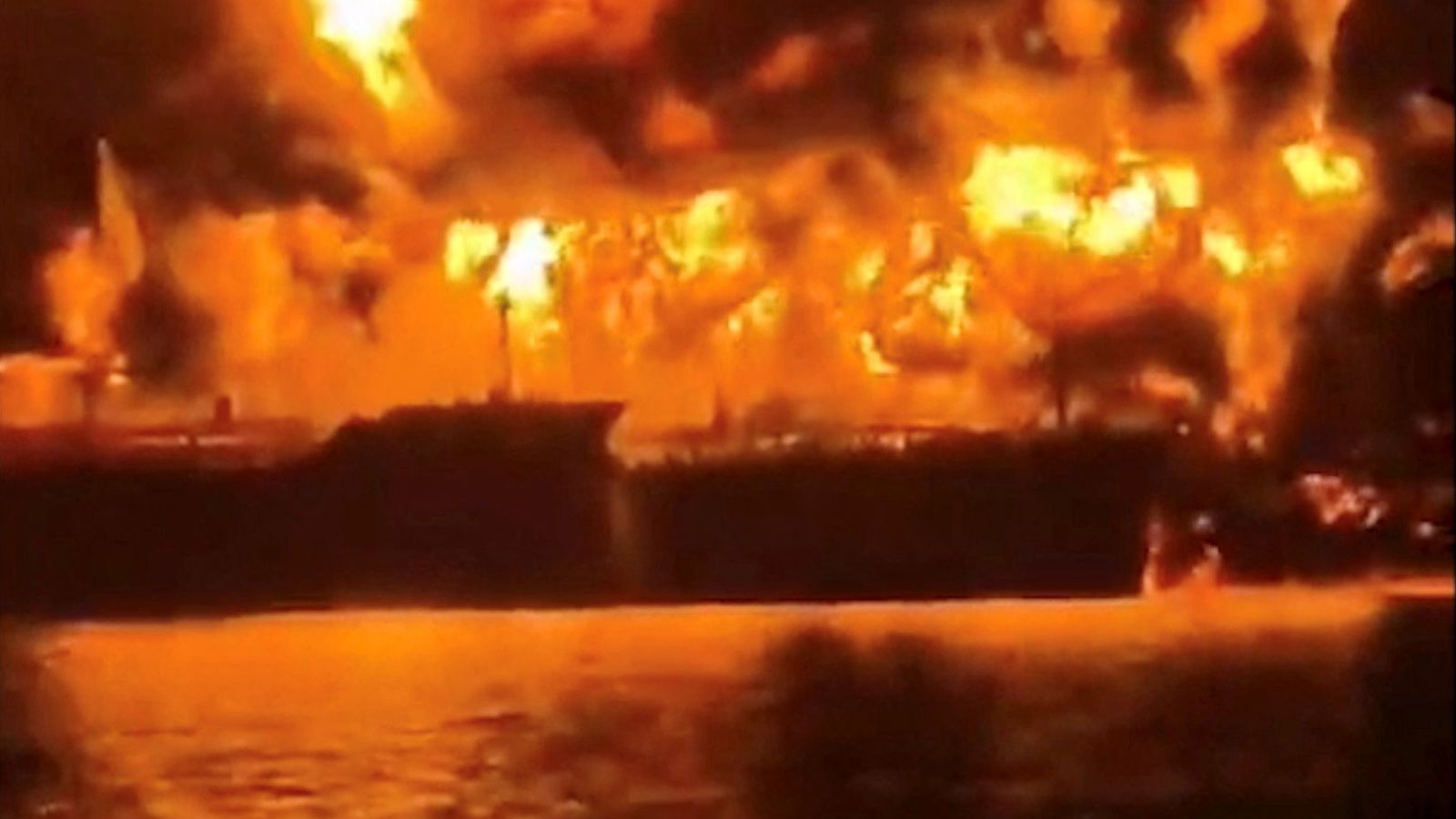
The global oil market experienced a significant jolt overnight as crude prices climbed back above the critical $100 per barrel threshold, driven by escalating violence in the Middle East’s crucial energy infrastructure. According to economics and business reporter James Sillars, this price spike comes as a direct response to Iran’s intensified campaign of attacks targeting energy-related installations and vessels throughout the region. The situation has sent shockwaves through financial markets, with traders and investors expressing deep concern about the stability of global energy supplies. The dramatic imagery of burning ships and storage facilities has become a stark reminder of just how vulnerable the world’s energy infrastructure remains to geopolitical conflict, and how quickly market sentiment can shift when critical supply routes and facilities come under attack.
Iranian Attacks on Tankers Force Port Closures
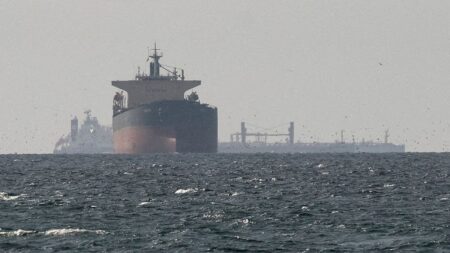
The immediate catalyst for yesterday’s price surge was a series of coordinated Iranian attacks that struck at the heart of the region’s oil export capabilities. In what local security officials describe as a calculated assault, two fuel tankers operating in Iraqi territorial waters were struck by explosive-laden boats operated by Iranian forces. The attacks were severe enough to force Iraqi authorities to take the extraordinary step of shutting down the country’s oil ports entirely, effectively halting one of the region’s significant oil export channels. This development represents a dangerous escalation in Iran’s tactics, moving from merely threatening shipping lanes to actively destroying vessels and forcing the closure of critical infrastructure. The targeting of tankers in Iraqi waters also suggests an expansion of the conflict’s geographic scope, raising concerns that more countries and more energy facilities could find themselves in the crosshairs as tensions continue to mount across the Middle East.
Global Stockpile Release Fails to Calm Markets
Despite efforts by international authorities to stabilize the situation through a record-breaking release of global oil stockpiles, the market response has been overwhelmingly negative, with prices continuing their upward trajectory. This unprecedented drawdown of strategic reserves was specifically designed to compensate for the massive supply disruption caused by Iran’s effective closure of the Strait of Hormuz, one of the world’s most critical oil shipping chokepoints. Under normal circumstances, such a substantial injection of supply into the market would be expected to moderate prices and calm investor nerves. However, the continued attacks and the very real threat of further disruptions have completely overshadowed this intervention. Market participants are clearly signaling that they believe the supply side risks are simply too great to be offset by temporary measures, no matter how large the stockpile releases might be. This demonstrates the fundamental anxiety gripping energy markets—that the physical infrastructure for producing, storing, and transporting oil is under genuine threat, and no amount of reserve releases can protect against the potential for further attacks.
Analysts Question Trump’s Optimistic War Timeline
The market turmoil has also brought renewed scrutiny to statements from political leaders about the conflict’s trajectory, particularly President Donald Trump’s recent claims that the war may be nearing its conclusion. Market analysts, who make their living by accurately assessing geopolitical risks and their potential impact on commodity prices, are expressing considerable skepticism about such optimistic assessments. The evidence they’re seeing on the ground—escalating attacks, expanding geographic scope of the conflict, and increasingly bold targeting of energy infrastructure—all point in the opposite direction. These experts suggest that the current pattern of Iranian behavior indicates a strategy of intensification rather than de-escalation, which would be inconsistent with a conflict approaching its final stages. The volatile trading patterns, with Brent crude currently up more than 6% at $98 per barrel after having peaked at $118 on Monday, reflect this fundamental uncertainty about both the duration and ultimate resolution of the conflict. For market participants, the gap between official statements and observable reality creates additional uncertainty, making it even more difficult to accurately price risk into energy commodities.
Price Volatility Reflects Uncertain Energy Future
The dramatic swings in oil prices over recent days paint a picture of a market struggling to find equilibrium amid unprecedented uncertainty. Brent crude’s journey from $118 per barrel on Monday to its current level around $98 represents the kind of volatility that creates challenges throughout the global economy, from airlines trying to budget for fuel costs to consumers facing fluctuating prices at the pump. The 6% daily increase following yesterday’s attacks demonstrates just how sensitive the market has become to new developments in the Middle East conflict. Each piece of news, whether it’s an attack on infrastructure, a statement from political leaders, or an announcement about stockpile releases, sends ripples through the trading desks of the world. This volatility itself becomes a form of economic cost, creating planning difficulties for businesses and governments while generating windfall profits for some traders and devastating losses for others. The inability of the market to stabilize around a particular price level suggests that participants genuinely don’t know how to value the future supply situation—a rare and concerning state of affairs in commodity markets.
Long Road to Recovery Awaits Energy Infrastructure
Perhaps the most sobering assessment from market analysts concerns not the immediate price impacts but rather the long-term outlook for the Middle East’s energy sector. Even when the fighting eventually stops—whether that’s weeks, months, or longer from now—the region faces a substantial and time-consuming recovery process before its energy infrastructure can return to full operational capacity. The damage being inflicted on ports, storage facilities, tankers, and other critical components of the oil supply chain cannot be repaired overnight. Industry experts estimate that the restoration process will take months to complete at minimum, and that timeline only begins once active hostilities have ceased and it becomes safe for repair crews to begin their work. This means that even in the best-case scenario of a rapid end to the conflict, the world should prepare for an extended period of reduced supply capacity from one of its most important energy-producing regions. For global markets, this creates a multi-layered challenge: managing the immediate crisis, navigating the uncertain path to peace, and then enduring a protracted recovery phase before normal supply patterns can resume. The complexity of this situation explains why even record stockpile releases have failed to meaningfully calm market anxieties—traders are looking months and potentially years down the road and seeing a landscape of continued supply constraints and elevated prices.