
The Unprecedented Surge in UK Gas Prices: What It Means for Britain’s Economy
A Historic Price Spike That’s Shaking the Foundation
Something remarkable and deeply concerning has happened in Britain’s energy markets over the past two days – wholesale natural gas prices have doubled. To put this in perspective, even during the turbulent early days of Russia’s invasion of Ukraine in 2022, when energy markets were thrown into chaos, we never witnessed such a rapid escalation. This isn’t just another market fluctuation that economists track with mild interest; it’s a seismic shift that could ripple through every aspect of British life. Gas prices essentially act as the backbone of the UK economy – they’re the foundation upon which our entire power network is built, they determine what we pay for electricity, they’re crucial for industrial production and chemical manufacturing, and their effects trickle down into the costs of food and countless other everyday items. When gas prices move, everything moves with them, which is why this doubling represents such an enormous development with potentially far-reaching consequences for households and businesses across the nation.
The Gulf Crisis: A Dangerous Unknown
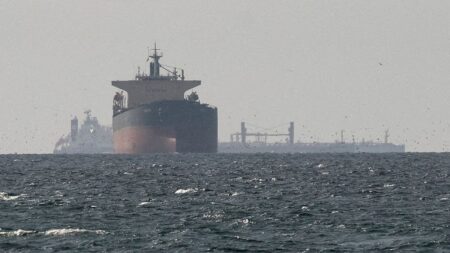
The catalyst for this dramatic price surge is the escalating conflict in the Gulf region, where oil and gas facilities are coming under sustained attack from Iranian drones. The situation remains fluid and unpredictable, with nobody able to say with any confidence how long these hostilities will continue. This uncertainty is perhaps the most troubling aspect of the entire situation, because the duration of the conflict will largely determine how high gas prices will climb and how long they’ll stay elevated. While the speed of the price increase over the past 48 hours is genuinely unprecedented in historical terms, there’s a small silver lining: the absolute level of gas prices, even after doubling, remains considerably lower than the peaks we witnessed during the Ukraine war crisis in 2022. However, that comparison offers little comfort when we remember what those 2022 price spikes triggered – an unprecedented energy price shock that swept across Europe, forcing widespread deindustrialization that continues to impact the continent today. The parallels are worrying, and the trajectory could be similar or even worse depending on how events unfold.
What This Means for Your Household Bills
For British households already stretched thin by years of elevated living costs, the timing couldn’t be worse. Currently, energy prices are fixed until June, and households are benefiting from a £150 discount that was included in the last budget – a measure that now seems almost prescient. However, come July, those protections disappear, and energy bills will need to reflect the new reality of wholesale gas prices. If prices remain at their current elevated levels or climb even higher in the coming months, British families should brace themselves for a significant jump in their energy costs just as summer turns to autumn. The longer the Gulf crisis continues, the more severe the impact on household budgets will be. This isn’t just about turning down the thermostat or wearing an extra sweater; for many families already struggling with the cost of living, substantially higher energy bills could mean genuinely difficult choices about heating, eating, and other essential expenses. The events unfolding thousands of miles away in Iran and the surrounding region are not some distant geopolitical drama – they are intimately connected to the economic wellbeing of every person in Britain.
The Government’s Unfortunate Timing
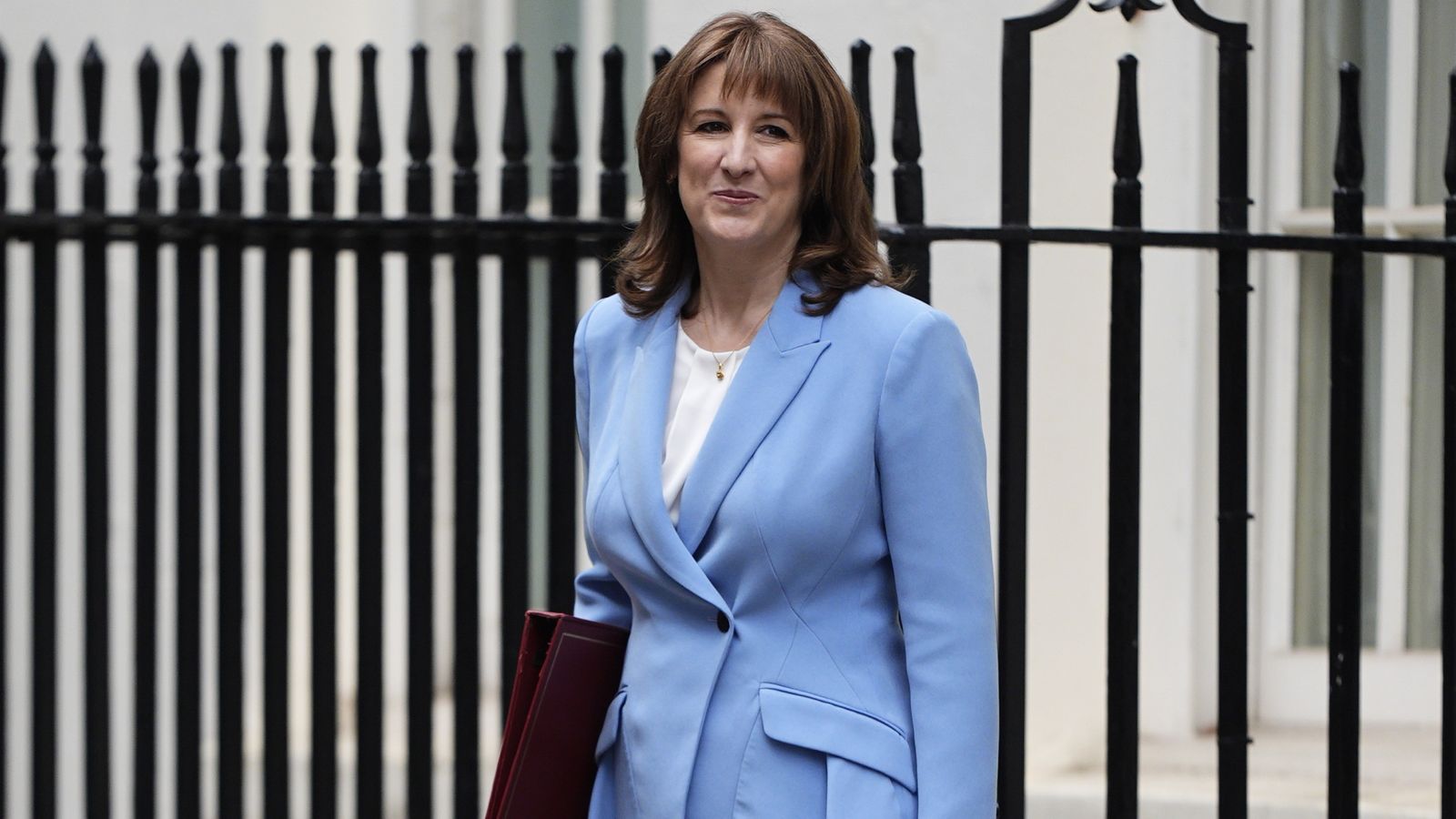
The timing of this energy crisis couldn’t be more awkward for the government. Just as Chancellor Rachel Reeves stood in the House of Commons presenting what was meant to be an optimistic economic forecast, reality was busy rewriting the script outside the chamber walls. Reading through the Office for Budget Responsibility’s latest comprehensive forecast, you might come away with the impression that Britain has successfully conquered the cost-of-living challenges that have plagued the nation for the past four or five years. The report paints an encouraging picture of inflation settling back down to the Bank of England’s 2% target and remaining there for an extended period. It’s the kind of forecast that politicians love to present – steady, predictable, reassuring. But there’s a problem, and it’s a significant one. Buried deep in the document, on page 109, in a table that most people will never see, lies the assumption upon which all these optimistic projections are built: gas prices. The OBR based its entire forecast on the expectation that gas prices would remain more or less flat. That was, after all, what the data suggested when the analysts were finalizing their report last week.
When Assumptions Crumble
Here’s where things get uncomfortable: those assumptions are now essentially worthless. The ink had barely dried on the OBR’s spring forecast before gas prices began their historic surge, rendering the fundamental assumptions about inflation “not worth the paper they’re written on,” as some analysts have bluntly put it. This isn’t a minor adjustment or a slight deviation from projections – it’s a complete undermining of the forecast’s foundation. When the central assumption about energy prices proves incorrect within days of publication, all the carefully calculated predictions about inflation, economic growth, household spending, and government revenues become suspect. It’s a stark reminder of how quickly economic circumstances can change and how difficult it is to predict the future, even in the short term. For policymakers trying to chart a course through uncertain waters, it’s a humbling moment that underscores the limits of economic forecasting. For the public, it’s a wake-up call that the reassuring narratives about economic stability need to be taken with a substantial grain of salt.
Uncertain Future: Hopes and Fears
As we stand at this critical juncture, honest assessment requires acknowledging that we simply don’t know what comes next. It remains entirely possible that this crisis will resolve relatively quickly, that diplomatic efforts or military developments will bring the Gulf situation under control, and that gas prices will retreat from their current elevated levels within a few weeks. In that scenario, Britain might escape with nothing more than a brief scare and a reminder of our vulnerability to global energy markets. However, it’s equally possible – perhaps even more likely given the complex geopolitics involved – that the situation deteriorates further, that attacks on energy infrastructure continue or intensify, and that gas prices climb even higher than their current doubled level. If that darker scenario unfolds, the implications for Britain are profound and genuinely grim. The nation has barely recovered from the last major energy price shock; households are still adjusting to a higher cost baseline, businesses are still recovering from the competitive disadvantages of expensive energy, and the industrial sector is still healing from the wounds inflicted by the Ukraine war energy crisis. Another major shock could push some households into genuine hardship, force additional businesses to close or relocate, and potentially trigger another wave of the deindustrialization that has already scarred parts of Europe. The coming weeks and months will be critical in determining which path Britain follows – toward recovery and stability or toward renewed economic pain and hardship.