
How the Iran Conflict is Creating Unexpected Winners in the Energy Market
The Paradox of War and Profit
War is fundamentally a human tragedy, bringing suffering to countless innocent people caught in its destructive path. The current conflict involving Iran is no exception, causing widespread misery for millions while simultaneously wreaking havoc on global energy markets and driving up household bills for ordinary families worldwide. Yet one of the most troubling aspects of our modern global financial system is how certain industries can actually prosper during times of international crisis. While communities are torn apart and lives are upended, some corporations find themselves in the right place at the right time to reap substantial financial rewards. In this particular conflict, a select group of American energy companies are positioned to benefit significantly from the chaos, highlighting the uncomfortable reality that war and profit often go hand in hand in our interconnected world economy.
The Qatar Crisis and America’s Opportunity
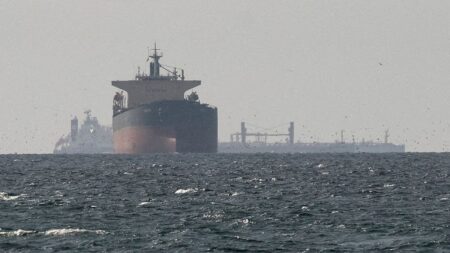
At the heart of this situation lies Qatar’s massive Ras Laffan gas plant, located on the country’s northeastern coastline. Under normal circumstances, this facility is an absolute powerhouse in the global energy market, producing an astonishing one-fifth of the world’s liquefied natural gas, or LNG. This is natural gas that’s been cooled down to extremely low temperatures to transform it into liquid form, making it much easier and more economical to transport across oceans in specially designed ships. The plant’s strategic location has made it crucial to global energy supplies, but it also presents a significant vulnerability – its exports must pass through the Strait of Hormuz, one of the world’s most critical shipping chokepoints. When conflict erupted in the region, Qatar was forced to shut down this vital facility as airstrikes filled the skies overhead and shipping through the strait became virtually impossible. This sudden removal of such a massive supply source from the global market has created an enormous gap that needs filling, and that’s where American companies enter the picture with their unique advantages.
America’s Strategic Position in the LNG Market
The United States has undergone a remarkable transformation in its energy sector over recent years, thanks largely to the shale gas revolution that unlocked vast domestic reserves previously considered too difficult or expensive to access. This technological breakthrough has propelled America to become the world’s largest exporter of LNG, a position that seemed unimaginable just a couple of decades ago when the country was primarily focused on importing energy. But what truly sets American LNG exporters apart in the current crisis isn’t just their production capacity – it’s the unique structure of their business model. While most global LNG producers lock up the vast majority of their output in long-term contracts with specific buyers, American companies maintain a relatively high proportion of their capacity – somewhere between 10% and 15% – that remains uncommitted to fixed contracts. This flexibility means these companies are free to sell their product on the spot market, where prices are determined by immediate supply and demand rather than pre-negotiated terms, and they can sell to whoever is willing to pay the highest price at any given moment.
Soaring Profits and Market Winners
The financial implications of this situation are staggering. As Qatar’s plant went offline and panic spread through global energy markets, prices for LNG on the spot market skyrocketed by approximately 50% in both European and Asian markets during just the first week of fighting. According to sophisticated modeling by Energy Flux, a respected energy analysis firm, US LNG companies are on track to earn around $4 billion in windfall profits in just the first month of the conflict, even if Qatar’s plant could somehow return to full operation immediately. Among the companies best positioned to capitalize on this crisis, Venture Global stands out prominently. The company sells substantial volumes of gas outside traditional long-term contracts and quickly announced it “stands ready” to help keep global markets supplied during the crisis. The market’s response was immediate and dramatic – Venture Global’s share price jumped an impressive 28% during the first week of fighting, though this surge was partly amplified by a favorable court ruling on a separate issue related to the company’s ability to sell spot cargoes. Another major player, Cheniere Energy, saw its stock price rise by 8% even though it plays a smaller role in spot market sales and had already announced it was nearly sold out through 2026.
The Double-Edged Sword and Global Competition
However, it’s crucial to understand that the same market flexibility that’s generating these windfall profits now can work against these companies when circumstances change. The freedom to sell at high prices during supply crunches means these exporters also bear the full brunt of losses when prices collapse. It’s a high-risk, high-reward business model that can swing dramatically in both directions. Moreover, American companies cannot possibly fill the entire void left by Qatar’s shutdown – the gap is simply too large. LNG exporters from numerous other countries are also stepping in to capture their share of the elevated prices and heightened demand. Looking beyond the immediate crisis, energy analysts like Mathieu Utting point out that the real long-term winners from this conflict may be countries whose LNG exports don’t need to pass through vulnerable chokepoints like the Strait of Hormuz. Nations such as Australia, Canada, Peru, Mexico’s west coast facilities, and Argentina all enjoy strategic advantages because their LNG can reach Asian markets while staying within the Pacific basin, avoiding the dangerous bottlenecks that have made the Middle East route so problematic during the current conflict.
Challenges at Home and Political Implications
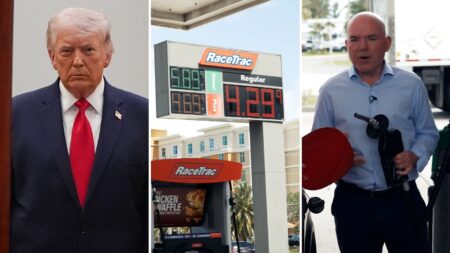
The situation isn’t entirely positive for American energy interests, however. Some US facilities have actually experienced disruptions to their own LNG supplies coming from Gulf region sources, creating operational headaches. Perhaps more significantly for domestic politics, the conflict’s impact on oil supplies has sent gasoline prices climbing sharply at American fuel pumps. Unlike consumers in many other countries who are somewhat accustomed to high fuel costs, American drivers have grown used to relatively low prices and tend to react very negatively to increases, making this a politically sensitive issue. In response to these pressures, President Donald Trump is now exploring options to provide insurance coverage and US Navy escorts for tankers attempting to navigate out of the Gulf region, trying to restore some stability to shipping routes. The president has consistently emphasized his goal of achieving “US energy dominance” on the world stage, and while this conflict arose from completely unrelated causes, there’s no denying that a handful of American LNG companies are finding themselves, however uncomfortably, among the beneficiaries of the crisis. This uncomfortable reality serves as yet another reminder of how global conflicts create complex economic ripple effects that extend far beyond the immediate war zone, touching everything from corporate balance sheets to household energy bills thousands of miles away.