
How the US-Iran Conflict is Hitting Your Wallet: A Complete Guide
Cautious Optimism Amid Market Turbulence
Donald Trump’s recent comments have sparked tentative optimism that the escalating military confrontation between the United States, Israel, and Iran might be approaching a conclusion. Financial markets responded immediately to this glimmer of hope, with energy prices retreating from the alarming war-time peaks witnessed just yesterday. However, many analysts are questioning whether the president’s remarks were genuinely signaling a de-escalation or were strategically timed to calm soaring energy prices that have already begun inflicting economic pain on countries worldwide. The conflict has already caused devastating damage across the oil and natural gas-rich Middle East, a region absolutely crucial to maintaining stable global prices. British businesses and consumers are feeling the pinch right now, and experts warn that significantly worse consequences could be on the horizon, even if hostilities were to cease immediately. The interconnected nature of global energy markets means that the effects of this conflict will ripple through economies for months to come, touching everything from the fuel we put in our cars to the mortgages on our homes.
The Oil Price Rollercoaster and Its Far-Reaching Impact
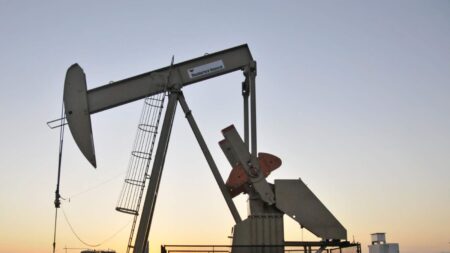
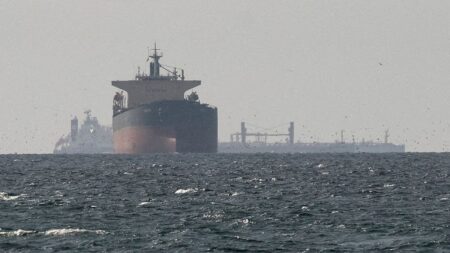
The dramatic spike in global oil prices tells a story that’s both immediate and concerning for long-term economic stability. While oil might be increasingly viewed as problematic for our planet’s environmental health, it remains the essential lifeblood of the global economy. The recent conflict has caused oil prices to surge dramatically, and these increases take considerable time to fully filter through the economic system. The real challenge isn’t just the immediate price spike – it’s the complex recovery process that follows. The biggest production facilities for both oil and natural gas in the Middle East region have been forced to shut down operations due to the conflict. Industry experts explain that safely restarting these massive operations following emergency suspensions can take weeks, not days. This means that even if peace were declared tomorrow, we wouldn’t see an instant return to pre-war pricing levels. Oil prices will only recover to their previous levels once Middle Eastern output has fully resumed and deliveries through the strategically vital Strait of Hormuz have returned to normal operations. The prospect of prolonged elevated prices means deeper, more persistent consequences for economies worldwide, with effects cascading through virtually every sector that depends on energy.
Fuel Prices Rising Fast, Falling Slow
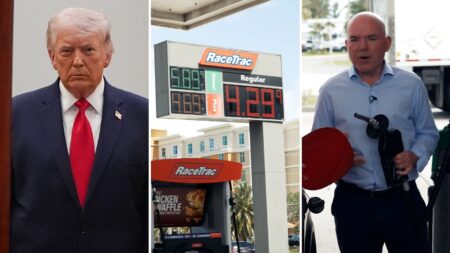
British drivers are experiencing the conflict’s impact firsthand at the petrol pump, where the old adage that UK fuel prices rise quickly but fall slowly is proving painfully accurate once again. Looking at the timeline, on Monday, March 2nd – the first trading day after air strikes hit Tehran the previous Saturday – the Brent crude oil price jumped approximately $5 to nearly $78 per barrel by market close. Industry insiders reported to Sky News that wholesale costs had increased by 2 pence per litre for petrol and a substantial 7 pence for diesel by that Monday evening. According to data from the RAC, average pump prices since the war’s outbreak had climbed 5 pence per litre for petrol by Sunday, reaching 137.5 pence, while diesel experienced an even sharper increase of 9 pence, hitting 151 pence per litre. The motoring organization is cautioning drivers that additional price increases are inevitable as forecourts restock with fuel purchased at these elevated wholesale prices. The situation is further complicated by the pound’s declining value against the dollar, the currency in which oil is priced internationally, effectively making imports even more expensive. While it’s impossible to predict exactly how high prices might climb, the fuel industry has been put on notice by the Competition and Markets Authority, which has warned it will take action if any evidence of profiteering emerges, building on previous findings that drivers have been systematically overcharged for years. For rural communities dependent on heating oil rather than mains gas, the impact is equally severe, with delivery costs rising in lockstep with broader oil market increases.
Household Energy Bills and the Price Cap Shield
For household energy consumers, there’s a mixture of good and challenging news. The energy price cap, which protects millions of households on default tariffs from immediate market volatility, provides some short-term insulation from these global shocks. The cap level for the April through June period has already been determined at £1,641, representing a welcome £117 annual decrease for average users paying by direct debit. However, the protection offered by the price cap is only temporary and backward-looking. Current market prices are already influencing calculations for the next cap adjustment, which will be announced in May and take effect for the July-October period. Forecasts made last week, before the dramatic spike in natural gas costs of up to 100%, suggested a potential 10% increase to approximately £1,800 was possible. For households whose fixed-rate energy deals are coming to an end, there were still competitive offers available in the market as of Monday, with average annual costs around £1,640 – marginally beating the predicted price cap level scheduled to begin at month’s end. The key concern for policymakers and consumers alike is how sustained elevated energy prices might persist and what that means for household budgets already stretched by years of inflation.
Inflation Resurgence Threatens Economic Recovery
The broader economic picture reveals potentially troubling implications for inflation, that persistent measure of how quickly prices across the economy are rising. Until recently, economists had widely expected the UK’s Consumer Prices Index measure to fall from its current 3% level to around the Bank of England’s 2% target within the next few months, primarily due to easing energy costs feeding through the system. On Monday, Chancellor Rachel Reeves publicly acknowledged that the war-related energy spike would likely create upward pressure on inflation rates. These elevated energy costs won’t merely affect what we pay to fill our cars or heat our homes – they’ll cascade throughout the entire economic system. Factories will face higher costs for raw materials, manufacturers will impose increased charges for finished goods, and ultimately food prices will rise as production and transportation costs climb. A forecast prepared by Oxford Economics last week estimated the possibility of a 0.6 percentage point increase in inflation by year’s end, and that projection assumed the conflict would be short-lived and based solely on indirect “second round effects” like businesses adjusting their pricing behavior. This inflation concern connects directly to interest rate policy, as the Bank of England had been widely expected to reduce rates from 3.75% to 3.5% at its next meeting. Markets now predict the Bank will hold rates steady instead, with some analysts even pricing in a potential increase by year’s end, a dramatic reversal from previous expectations.
The Ripple Effects on Mortgages, Pensions, and Investments
The shifting interest rate outlook has immediate real-world consequences for millions of people. Mortgage lenders have already responded by withdrawing fixed-rate deals and repricing them higher to reflect changed expectations about future interest rates. Data from financial information provider Moneyfacts showed that the average five-year fixed mortgage rate crossed above 5% for the first time since November, reaching 5.03% – its highest level since October 20th of the previous year. Banks’ own lending costs have risen amid the market turmoil, alongside government borrowing costs, creating a more expensive credit environment generally. For those with private pensions or investments in vehicles like stocks and shares ISAs, the volatility has translated into declining values, though market experts counsel against panic reactions. While the FTSE 100 index has fallen 4.6% during March, it remains 5% higher than where it started the year, providing some perspective on short-term fluctuations versus longer-term trends. Market analysts emphasize that geopolitical shocks typically create brief periods of intense volatility rather than causing permanent damage to well-diversified portfolios. The advice for everyday investors is to maintain a long-term perspective and resist the temptation to make reactive decisions based on alarming headlines, as defensive sectors and energy stocks often perform relatively well during periods of uncertainty and rising oil prices.
The uncomfortable reality is that this conflict is already extracting a real economic cost from the UK, with fuel prices, heating oil, and mortgage rates all climbing noticeably. The ultimate duration of hostilities will determine the trajectory of prices going forward, but even an immediate ceasefire wouldn’t provide the quick fix many hope for. While some costs like maritime insurance premiums might decline immediately upon peace being declared, the complex process of restoring shipping routes, restarting energy production, and normalizing deliveries will inevitably take months to return to pre-war levels, with inflationary pressures potentially persisting even longer as they work their way through intricate global supply chains.