
Foiled Terror Plot: Two Pennsylvania Teens Charged in ISIS-Inspired Attack Plan
Discovery of a Calculated Plot
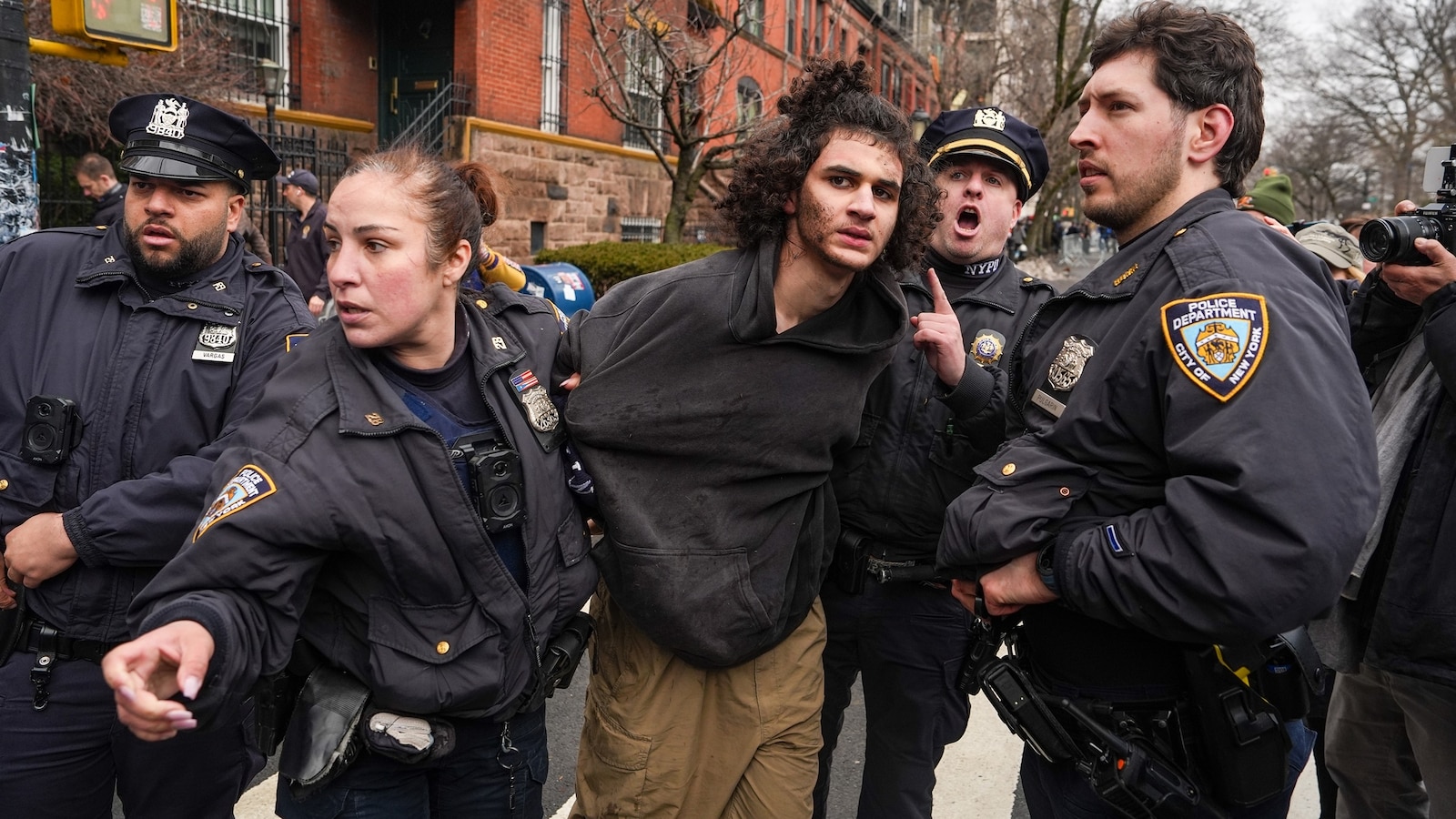
In a disturbing case that has shaken the New York metropolitan area, two teenagers from Bucks County, Pennsylvania, now face serious federal terrorism charges after allegedly attempting to carry out what law enforcement officials are calling an ISIS-inspired attack. Emir Balat and Ibrahim Kayumi were arrested late Saturday morning after driving into Manhattan with homemade explosive devices. What initially appeared to be an isolated incident has since revealed itself to be part of a more extensive planning process, according to law enforcement sources who spoke with ABC News. The investigation has uncovered evidence suggesting that these young men had been meticulously preparing for some form of violent attack for at least a week before their arrest, raising troubling questions about radicalization among American youth and the ongoing threat of domestic terrorism inspired by extremist ideologies.
Multiple Targets Considered
The investigation took a more concerning turn when authorities searched a storage unit in Bucks County that had been rented by the suspects. Inside, investigators discovered a notebook containing handwritten notes about potential “soft targets” for their planned attack, including shopping centers and other locations where large numbers of unsuspecting civilians typically gather. While no specific target was explicitly identified in their writings, the very fact that these teenagers were surveying multiple locations demonstrates a level of premeditation and intent that goes beyond impulsive action. This discovery has prompted law enforcement agencies to reassess security measures at various public venues throughout the region. The notebook and its contents provide a chilling window into the mindset of the alleged plotters, showing that they had given considerable thought to maximizing casualties and impact. The fact that they ultimately chose to bring their improvised explosive devices to Gracie Mansion, the official residence of New York City’s mayor, appears to have been a decision made relatively close to the time of their attempted attack, suggesting they may have been looking for an opportunity that would generate significant media attention and political impact.
The Day of the Incident
On the day of their arrest, Balat and Kayumi drove from Pennsylvania to Manhattan, where they brought their homemade explosives to Gracie Mansion during a particularly volatile moment. An anti-Muslim protest was taking place outside the mayor’s residence, and it had drawn counter-demonstrators, creating a tense and crowded scene—exactly the type of chaotic environment where an attack could cause maximum harm and confusion. The timing of their arrival at this location was likely not coincidental, as such gatherings provide cover for suspicious activity and present multiple potential targets in a confined area. According to the New York Police Department, the teens were intercepted before they could successfully deploy their weapons. Federal criminal complaints filed in the case include photographic evidence that allegedly shows the suspects in the act of preparing their improvised explosive devices during the demonstration. Fortunately, neither Mayor Zohran Mamdani nor his wife, Rama Duwaji, were present at Gracie Mansion when the incident occurred, though that fact does little to diminish the severity of what could have happened. The mayor addressed the situation publicly on Monday, delivering a stern message that anyone who comes to New York City with the intention of committing acts of violence will face the full force of the law.
Evidence of Planning and Preparation
As investigators have pieced together the timeline of the alleged plot, a picture has emerged of two young men who spent considerable time and effort preparing for their intended attack. Surveillance video obtained by ABC News shows one of the suspects, identified as Emir Balat, entering a Phantom Fireworks store in Penndel, Pennsylvania, on March 2—five days before the incident at Gracie Mansion. In an email to ABC News, William Weimer of Phantom Fireworks confirmed that the man in the video made a single purchase: a 20-foot length of consumer fireworks safety fuse, for which he paid less than seven dollars. While seemingly innocuous on its own, this purchase takes on sinister significance when viewed as part of the larger plot, as such fuses are commonly used to detonate improvised explosive devices. The modest cost and legal availability of such materials highlights one of the persistent challenges faced by law enforcement in preventing homegrown terrorism—many of the components used in homemade bombs can be purchased legally and inexpensively, making it difficult to identify potential plotters based on their purchases alone. When FBI agents and bomb technicians examined the Bucks County storage unit, they discovered devices containing explosive residue, which they safely detonated in controlled explosions. This evidence confirms that the teens had successfully manufactured functioning explosive devices and were prepared to use them.
Legal Consequences and Charges
The gravity of the alleged crimes is reflected in the serious charges that Balat and Kayumi now face. They are being held on multiple counts, including terrorism-related offenses, use of a weapon of mass destruction, and other federal charges that carry potentially life-altering consequences. As of the latest reports, neither defendant has entered a plea, and the legal process is still in its early stages. The classification of their alleged actions as terrorism rather than simply criminal assault or weapons violations underscores law enforcement’s assessment that this was not merely an act of violence but rather a calculated attempt to instill fear in the broader population and advance an extremist ideology. The use of weapons of mass destruction charge is particularly significant, as it typically carries severe mandatory minimum sentences under federal law. These charges send a clear message about how seriously authorities view threats inspired by terrorist organizations like ISIS, even when the perpetrators are American teenagers with no direct operational connection to foreign terror groups. The case also raises important questions about the pathways to radicalization in the digital age, where extremist propaganda is readily available online and can influence vulnerable young people without any in-person contact with terrorist recruiters.
Broader Implications and Community Response
This incident has resonated far beyond the immediate facts of the case, serving as a stark reminder that the threat of terrorism—particularly attacks inspired by groups like ISIS—remains a present danger even years after the organization’s territorial defeat in Syria and Iraq. The fact that two teenagers from Pennsylvania could allegedly become radicalized enough to plan and attempt a terrorist attack in one of America’s most prominent cities highlights the persistent challenge of countering violent extremism in domestic contexts. Mayor Mamdani’s forceful response reflected not only his personal relief that he and his wife were unharmed but also his broader commitment to ensuring that New York City remains a place where people of all backgrounds can feel safe. His statement that “anyone who comes to New York City to bring violence to our streets will be held accountable in accordance with the law” resonates with a city that has experienced terrorism firsthand and remains vigilant against future threats. For the community in Bucks County where the suspects lived, the case has undoubtedly prompted soul-searching about what warning signs might have been missed and what resources are available to identify and intervene with young people who may be falling under the influence of extremist ideologies. As this case proceeds through the legal system, it will likely spark renewed discussions about online radicalization, the availability of bomb-making information, and the balance between civil liberties and security measures designed to prevent terrorism before it occurs.