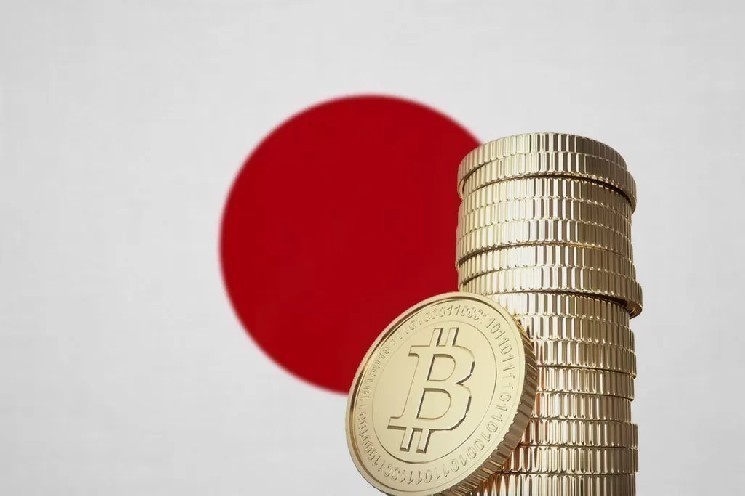

A 147-Year-Old Japanese Giant Embraces Bitcoin: Daido Limited’s Bold Move into Digital Assets
Introduction: When Tradition Meets Innovation
In a move that beautifully illustrates how traditional businesses are evolving to meet modern financial challenges, Daido Limited—a Japanese company with an impressive 147-year history—has announced its intention to invest in Bitcoin. This isn’t just another tech startup jumping on the cryptocurrency bandwagon; this is a publicly traded company with nearly one and a half centuries of business experience making a calculated decision to add digital assets to its portfolio. The company plans to purchase up to 1 billion Japanese yen, which converts to approximately $6.5 million, in Bitcoin. This announcement represents a significant moment in the ongoing conversation about cryptocurrency adoption, particularly when it comes from an established corporation with such deep roots in traditional business practices. It’s a testament to how digital currencies are increasingly being viewed not as speculative investments, but as legitimate tools for corporate treasury management and long-term wealth preservation.
Understanding Daido Limited’s Strategic Rationale
Daido Limited hasn’t made this decision on a whim or because of hype surrounding cryptocurrency. The company has articulated clear, strategic reasons for this investment that reflect genuine concerns many Japanese corporations face today. At the heart of their decision lies the need to hedge against two interconnected economic challenges: inflation and the depreciation of the Japanese yen. Like many developed nations, Japan has been grappling with complex monetary policy decisions, and the value of the yen has experienced significant fluctuations in recent years. In this context, Daido Limited views Bitcoin as a potential shield against these macroeconomic headwinds. The company’s statement specifically characterized Bitcoin as “digital gold,” drawing a parallel between the cryptocurrency and one of humanity’s oldest stores of value. This comparison isn’t made lightly—it acknowledges Bitcoin’s limited supply of 21 million coins, a feature that fundamentally differentiates it from fiat currencies that can be printed in unlimited quantities by central banks. This scarcity is what gives Bitcoin its potential as an inflation hedge, much like gold has served this purpose for thousands of years. By including Bitcoin in their asset portfolio, Daido Limited is essentially betting that this digital scarcity will help preserve value over the long term, even as traditional currencies potentially lose purchasing power.
The Broader Context of Corporate Bitcoin Adoption
Daido Limited’s decision doesn’t exist in a vacuum—it’s part of a growing trend of corporate Bitcoin adoption that has been gaining momentum over the past several years. Companies around the world, from MicroStrategy in the United States to various firms in Asia, have been exploring or actively implementing Bitcoin treasury strategies. What makes Daido Limited’s move particularly noteworthy is its location and history. Japan has had a complex relationship with cryptocurrency, being one of the first nations to recognize Bitcoin as a legal payment method while also implementing strict regulatory frameworks following high-profile exchange hacks. A 147-year-old Japanese company entering the Bitcoin space sends a powerful message about the cryptocurrency’s maturation and increasing legitimacy in traditional financial circles. It suggests that Bitcoin is moving beyond its early adopter phase and entering mainstream corporate finance. This move could potentially inspire other long-established Japanese corporations to reconsider their own treasury management strategies and explore how digital assets might fit into their portfolios. The fact that this decision came from a company with such a long operational history also addresses one of the common criticisms of corporate Bitcoin adoption—that it’s only embraced by young, risk-hungry companies without substantial legacy considerations.
Asset Diversification and Capital Efficiency Goals
Beyond serving as an inflation hedge, Daido Limited has positioned its Bitcoin investment as part of a broader strategy focused on two key financial objectives: diversifying its asset portfolio and increasing capital efficiency. Asset diversification is a fundamental principle of sound financial management, based on the wisdom of not putting all your eggs in one basket. Traditional corporate portfolios typically include a mix of cash, bonds, stocks, and sometimes real estate or commodities. By adding Bitcoin to this mix, Daido Limited is introducing an asset class with historically low correlation to traditional investments—meaning Bitcoin often moves independently of stock and bond markets. This low correlation can potentially reduce overall portfolio risk while opening up new avenues for returns. The capital efficiency aspect is equally important. Many established companies, particularly in Japan where corporate cash hoards are common, sit on substantial cash reserves that generate minimal returns in today’s low-interest-rate environment. By allocating a portion of these surplus funds to Bitcoin, companies like Daido Limited are seeking to put their excess capital to work more effectively. The 1 billion yen allocation represents a measured approach—significant enough to potentially make a meaningful difference to the portfolio, but presumably not so large as to threaten the company’s operational stability or liquidity needs. This balanced approach reflects the thoughtful risk management you’d expect from a company with nearly 150 years of business experience.
The Decision-Making Process and Corporate Governance
What’s particularly reassuring about Daido Limited’s Bitcoin investment is that it followed proper corporate governance procedures rather than being an impulsive decision by a single executive. According to the official announcement, the decision to purchase Bitcoin was formally approved at a board meeting, demonstrating that it underwent the scrutiny and debate that characterizes sound corporate decision-making. This board-level approval is significant because it means multiple stakeholders, likely including independent directors with fiduciary responsibilities to shareholders, reviewed and endorsed the strategy. The investment has also been integrated into the company’s medium-term management plan, which indicates this isn’t viewed as a short-term speculation but rather as a strategic component of the company’s future direction. As part of this plan, Daido Limited will allocate a portion of its surplus funds—money that exceeds immediate operational needs—to Bitcoin. This careful positioning within the company’s broader strategic framework suggests that management has thought through the implications, risks, and potential benefits of this investment. It also provides transparency to shareholders and other stakeholders about how the company intends to manage its resources going forward. This level of corporate process and planning helps distinguish responsible corporate Bitcoin adoption from reckless gambling with shareholder funds.
Additional Context: Daido Limited’s Bold Shareholder Policies and Conclusion
To fully appreciate Daido Limited’s Bitcoin decision, it’s helpful to understand the company’s recent track record of making significant financial moves. In 2024, the company made headlines by increasing its dividend 50-fold—an extraordinary move that demonstrated both the company’s strong financial position and its commitment to returning value to shareholders. This massive dividend increase attracted considerable investor attention and established Daido Limited as a company willing to make bold financial decisions when management believes they’re in shareholders’ best interests. This context is important because it shows the Bitcoin investment isn’t an isolated maverick decision by a struggling company looking for a lifeline, but rather part of a pattern of strategic financial management by a profitable firm. The company appears to be actively thinking about how to optimize value for shareholders through both traditional means (dividends) and innovative approaches (cryptocurrency investment). It’s worth noting that any discussion of Bitcoin investment should acknowledge the inherent risks—cryptocurrency markets are notoriously volatile, regulatory frameworks continue to evolve, and past performance doesn’t guarantee future results. As the disclaimer appropriately states, none of this information should be construed as investment advice. However, when a 147-year-old company with a long track record of surviving economic cycles, technological disruptions, and changing business environments decides that Bitcoin deserves a place in its treasury, it’s a development worth taking seriously and may signal a continued evolution in how corporations worldwide think about asset preservation and portfolio management in an increasingly digital world.