

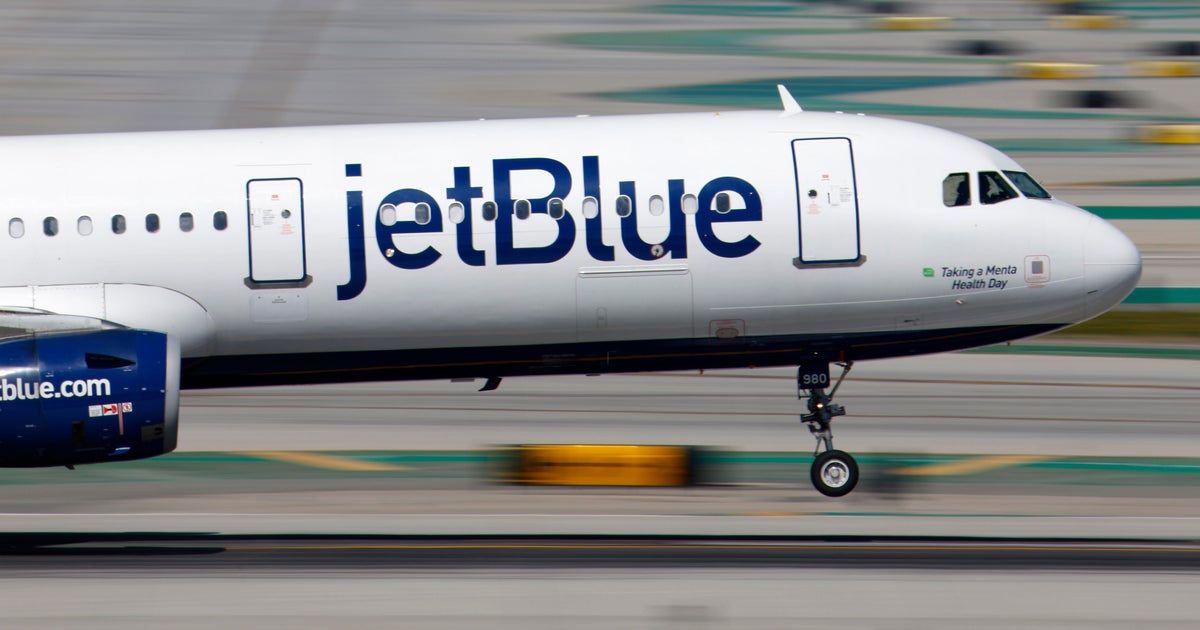

JetBlue Raises Baggage Fees as Global Tensions Impact Airline Operations
The New Reality of Flying: Higher Costs at Check-In
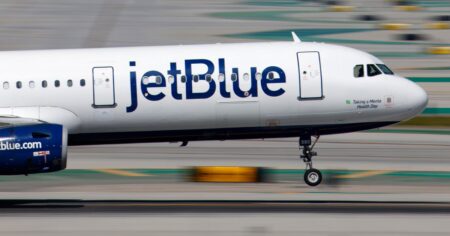
Air travelers preparing to fly with JetBlue are now facing steeper costs when checking their luggage, as the airline has announced an increase in baggage fees that reflects the challenging economic environment facing the aviation industry. The price hike means that passengers will now need to budget at least $39 to check their first bag, representing a $4 increase from the previous $35 fee. For travelers needing to check a second piece of luggage, the cost has jumped even more significantly, rising from $50 to a minimum of $59. These new rates apply specifically to bags that are checked more than 24 hours before a flight’s scheduled departure time. For those last-minute packers or travelers who wait until the day of their flight to check bags, the financial impact is even greater—an additional $10 surcharge per bag will be added on top of the already increased base rates, according to information posted on JetBlue’s official website.
Understanding the Driving Force Behind Rising Aviation Costs
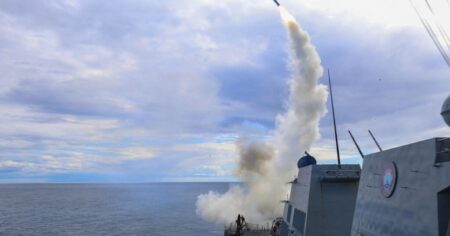
The timing of JetBlue’s fee adjustment is no coincidence, as it comes during a period of significant turmoil in global energy markets triggered by escalating military conflict involving Iran. The airline industry, along with many other sectors dependent on petroleum products, has been grappling with dramatically increased operational expenses as jet fuel prices have climbed to levels not seen in recent years. The situation has been particularly exacerbated by disruptions to oil supplies resulting from the closure of the Strait of Hormuz, a critical maritime chokepoint through which a substantial portion of the world’s oil supply typically flows. This constraint on global oil distribution has created a ripple effect throughout the transportation industry, with airlines feeling the pressure particularly acutely. Market data from reliable sources including Oilprice.com and FactSet reveals the volatility that has characterized recent oil trading, with Brent crude—the international benchmark used to price oil globally—spiking to $115 per barrel on Monday before retreating somewhat to settle at $107.95. Meanwhile, West Texas Intermediate, which serves as the primary benchmark for oil pricing in the United States, showed a 2% increase to reach $101.70 per barrel.
JetBlue’s Official Response and Business Strategy
In addressing the fee increase, JetBlue provided a statement to CBS News that sought to explain the airline’s reasoning and position the decision within the context of broader industry challenges. The company acknowledged that it is currently experiencing rising operating costs across its business and emphasized that management regularly evaluates various strategies for managing these expenses while maintaining what it describes as competitive base fares for customers. The airline’s statement highlighted its ongoing commitment to investing in customer experience improvements even as it navigates financial pressures. JetBlue specifically framed the baggage fee adjustment as a targeted approach that affects only those passengers who choose to utilize optional services like checked luggage, rather than implementing across-the-board fare increases that would impact all travelers regardless of their needs. According to the airline’s perspective, this selective fee structure allows the company to keep its base ticket prices more attractive and competitive in the marketplace, theoretically benefiting budget-conscious travelers who travel with only carry-on luggage. The company was also careful to note in its statement that it only implements fee increases “when necessary,” suggesting that the current economic pressures left management with little choice but to adjust pricing for ancillary services.
Industry-Wide Impact: How Other Airlines Are Responding
JetBlue is far from alone in feeling the financial squeeze from elevated fuel costs, and the airline industry as a whole has been forced to develop strategies to address what has become a significant challenge to profitability. Different carriers have adopted varying approaches to passing these increased operational costs along to consumers, with some implementing direct jet fuel surcharges while others have simply raised ticket prices across the board. United Airlines CEO Scott Kirby provided valuable insight into the industry’s predicament during a recent interview with CBS News senior transportation correspondent Kris Van Cleave, candidly admitting that the elevated oil prices “create a lot of stress” for airline operators. Kirby revealed that United has seen its airfares increase substantially—between 15% and 20%—over just the past month alone, a dramatic shift in pricing that reflects the urgency of the fuel cost crisis. Research conducted by Deutsche Bank has documented similar price increases for JetBlue specifically, finding that as of Friday, the average airfare for a same-day JetBlue flight had climbed 16.2% to reach $368 for a one-way ticket. For travelers with more flexibility in their planning, tickets for flights departing later in April showed an even more substantial increase of 24%, bringing the average price to $286 for the airline.
The Economics of Jet Fuel in Airline Operations
To truly understand why airlines are so sensitive to fluctuations in oil prices, it’s important to recognize the central role that jet fuel plays in their financial structure. Industry analysts have consistently found that jet fuel costs represent roughly one-fifth—or approximately 20%—of airlines’ total operating expenses, making it one of the single largest cost categories that carriers must manage. This substantial proportion means that even relatively modest percentage increases in fuel prices can translate to significant impacts on an airline’s bottom line, potentially turning profitable routes into money-losing operations if pricing adjustments aren’t made. Unlike many other business expenses that can be controlled through operational efficiencies or negotiated contracts, fuel costs are largely subject to global market forces that individual airlines have virtually no ability to influence. The volatility inherent in oil markets, which can be affected by everything from geopolitical conflicts to production decisions made by major oil-producing nations to seasonal demand fluctuations, creates an environment of uncertainty that makes long-term financial planning particularly challenging for airline executives. This vulnerability to external market forces explains why airlines have increasingly turned to ancillary revenue streams—such as baggage fees, seat selection charges, and onboard service sales—as ways to create more stable and controllable revenue sources that can help buffer against fuel price volatility.
What This Means for Air Travelers Moving Forward
For consumers planning air travel in the current environment, the message is clear: flying is becoming more expensive, and travelers need to budget accordingly while also becoming more strategic about how they approach air travel purchases. The combination of higher base fares and increased fees for services like checked baggage means that the total cost of a trip can quickly escalate beyond initial expectations. Savvy travelers can mitigate some of these costs by packing more efficiently to avoid checked bag fees entirely, booking flights well in advance to take advantage of lower fares and avoid last-minute baggage fee surcharges, and remaining flexible about travel dates to find the most economical options. It’s also worth noting that the current situation may not be temporary—while oil prices could eventually stabilize or decline if geopolitical tensions ease, airlines may be reluctant to roll back fee increases once they’ve been implemented, as these charges have become an important revenue stream. The broader reality is that the golden age of inexpensive air travel may be facing structural challenges, as the industry contends not just with current fuel price spikes but also with longer-term pressures including labor cost increases, infrastructure investments, and environmental regulations. For the foreseeable future, travelers should expect that the true cost of flying will likely include various fees and surcharges beyond the advertised base fare, making careful comparison shopping and understanding of airline fee structures more important than ever for anyone looking to manage their travel budgets effectively.