
John Lewis Partnership Returns to Employee Bonuses After Three-Year Gap
A Welcome Return for Worker-Owners
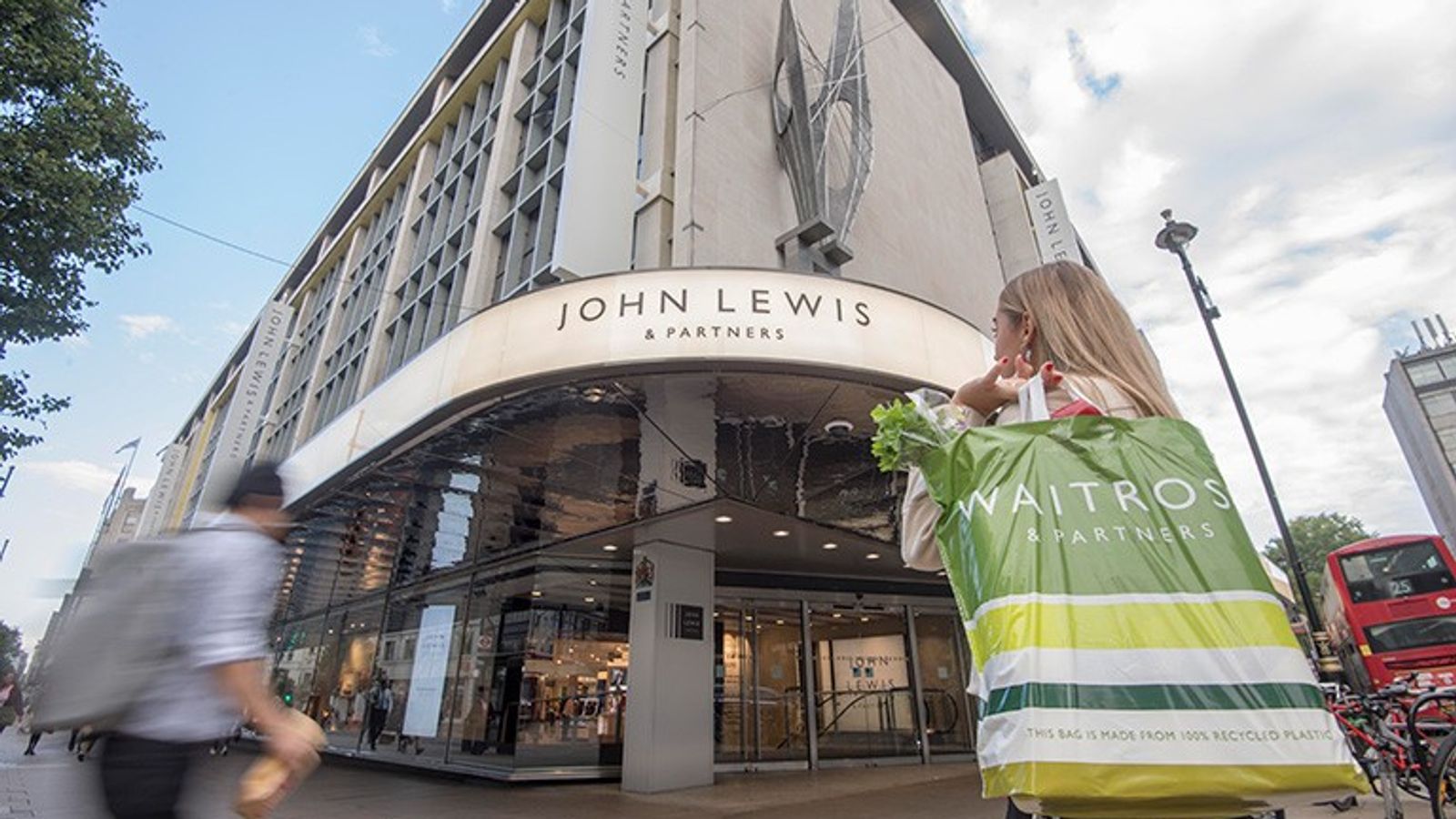
After a challenging three-year period without bonuses, the John Lewis Partnership has brought welcome news to its 80,000-strong workforce. The employee-owned retail giant, which includes both the iconic John Lewis department stores and Waitrose supermarkets, has announced it will pay staff bonuses worth 2% of their annual salary. This marks the first time since 2022 that the company’s “partners” – as employees are called due to their ownership stake in the business – will receive this traditional profit-sharing payment. The announcement comes as a tangible sign that the company’s extensive restructuring efforts are finally beginning to bear fruit, offering a glimmer of hope after years of difficult decisions and financial uncertainty that have tested the resolve of one of Britain’s most beloved retail institutions.
Financial Recovery Shows Promising Signs
The bonus announcement reflects genuine progress in the Partnership’s financial performance, with trading profits climbing 6% to reach £134 million during the financial year ending in January. Overall sales across the Partnership grew to £13.4 billion, representing a solid 5% increase that demonstrates customers are returning to both brands with renewed confidence. These figures suggest that the company’s strategy of focusing on customer experience and brand investment is resonating with shoppers, even in a retail environment that remains incredibly competitive. However, the picture isn’t entirely rosy – the company still recorded an overall pre-tax loss of £21 million. This loss wasn’t due to poor trading performance but rather resulted from exceptional charges totaling £120 million, mostly relating to non-cash write-downs on outdated technology systems that the company has been working to replace as part of its modernization efforts.
The Difficult Journey to Recovery
The road to this modest bonus has been anything but smooth for the Partnership and its employee-owners. In recent years, the company has been forced to make painful decisions that would have been unthinkable during its heyday. Numerous underperforming John Lewis department stores have been permanently closed, with iconic locations in cities across Britain shuttering their doors for the last time. Thousands of jobs have been eliminated as the company streamlined operations and adapted to the new reality of retail, where online shopping continues to erode the traditional department store model. These cuts have been particularly difficult for an organization built on the principle of employee ownership and known for its commitment to worker welfare. The decision not to pay a bonus for the 2024/25 financial year, despite improved earnings, was made to conserve cash for investing in the customer experience – a choice that underscored just how precarious the situation had become and how seriously leadership was taking the challenge of securing the company’s long-term future.
Navigating Contemporary Business Challenges
Like virtually every major employer in Britain, the John Lewis Partnership has had to contend with rising operational costs that threaten to squeeze profitability just as trading conditions begin to improve. The government’s recent increase to employer National Insurance contributions has added significant expense to the company’s wage bill, coming at a time when many retailers are already struggling with thin margins. These additional costs, combined with what the company describes as a “subdued market” and a “challenging lead into the crucial peak period” – likely referring to the Christmas trading season – could easily have derailed the recovery. The economic backdrop remains uncertain, with consumers still cautious about discretionary spending amid cost-of-living pressures. Despite these headwinds, the Partnership’s leadership made the strategic decision to continue investing in the business rather than simply cutting costs to protect short-term profits, betting that better customer experiences would drive sustainable growth over time.
Leadership’s Vision for Sustainable Growth
Jason Tarry, who chairs the Partnership, expressed cautious optimism about the progress being made while acknowledging the significant work that still lies ahead. His comments reveal a leadership team that understands the delicate balance between rewarding the employee-owners who have stuck with the company through difficult times and maintaining the financial discipline necessary for long-term success. Tarry emphasized that the company’s multi-year investment plan is delivering results, with growing customer numbers and record satisfaction scores suggesting that shoppers appreciate the improvements being made. The growing cash generation and strong balance sheet he referenced provide the foundation for continued investment in both the brands and the partners themselves, creating what leadership hopes will be a virtuous cycle of improvement. His gratitude for the commitment and passion of the workforce acknowledges the human cost of the turnaround – the partners who have endured uncertainty, seen colleagues leave, and gone without bonuses while continuing to deliver the high-quality service that both brands are known for.
Looking Ahead with Cautious Optimism
The 2% bonus, while modest by historical standards of the Partnership’s profit-sharing tradition, represents something more valuable than its monetary worth – it’s a symbol that the corner may finally have been turned. For partners who have weathered store closures, restructurings, and years without their traditional share of profits, this payment acknowledges their sacrifices and signals that leadership believes the business is on firmer footing. The company’s statement that it remains “on track to make further progress this year” suggests confidence that the current trajectory can be maintained, though the cautious tone reflects an awareness that the retail landscape remains challenging. The decision to award the bonus alongside continued investment in partner pay demonstrates an attempt to balance the competing demands of rewarding employees, investing in the business, and building financial resilience. As the Partnership moves forward, it will need to continue proving that its employee-ownership model – once seen as a unique strength but tested severely by the pandemic and the retail revolution – can still thrive in modern commerce. For now, though, partners can take some satisfaction in knowing their company has survived its crisis and is beginning, however tentatively, to reward them once again for their loyalty and hard work through difficult times.