
U.S. Military Campaign Against Iran: Latest Developments and Strategic Implications
A Historic Military Operation Unfolds
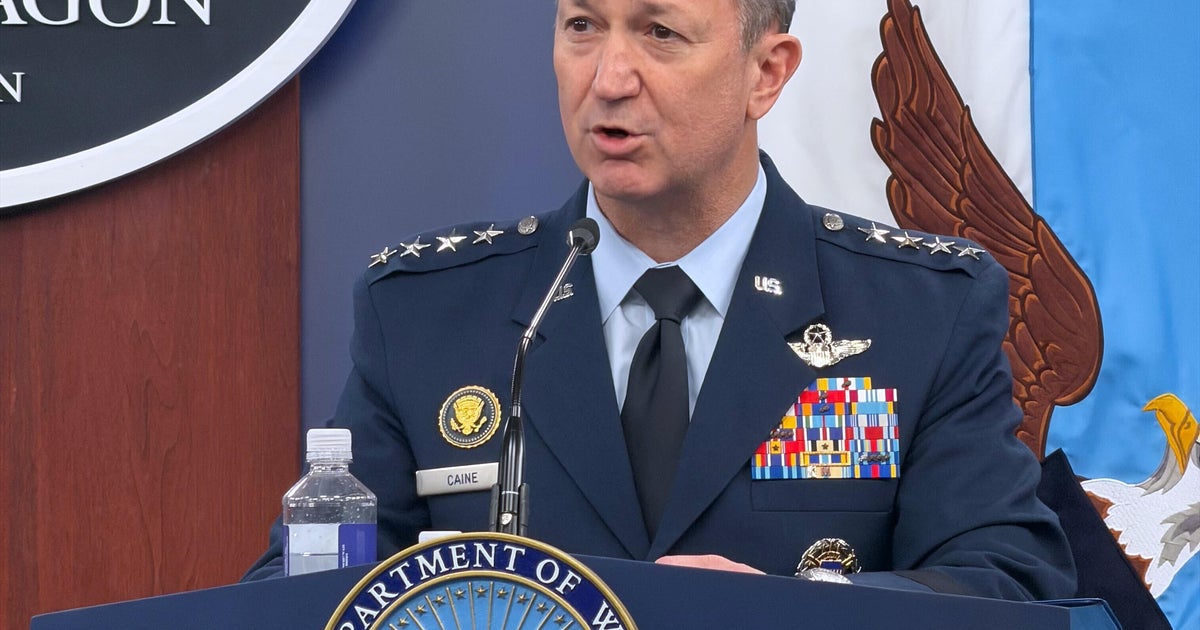
The United States military campaign against Iran has entered its fifth day, with top Pentagon officials providing significant updates on what they’re calling a historic operation. Defense Secretary Pete Hegseth and Chairman of the Joint Chiefs of Staff General Dan Caine briefed the press at the Pentagon on Wednesday, outlining the scope and progress of military actions that have already resulted in unprecedented naval victories and substantial destruction of Iranian military assets. The operation, which is still in its early stages, has seen the deployment of sophisticated American military capabilities alongside Israeli Defense Forces, creating what officials describe as an overwhelming force against Iranian military infrastructure.
In a particularly striking announcement, Secretary Hegseth revealed that an American submarine had successfully sunk an Iranian warship using a torpedo—marking the first time an enemy vessel has been destroyed in this manner since World War II. The warship, which Iranian commanders believed was operating safely in international waters, was taken by complete surprise in what Hegseth grimly described as a “quiet death.” This attack represents not only a tactical victory but also a powerful demonstration of American submarine warfare capabilities that have remained largely dormant in actual combat for nearly eight decades. The psychological impact of this strike cannot be understated, as it sends a clear message about the reach and lethality of U.S. naval forces operating beneath the waves.
Comprehensive Destruction of Iranian Naval Power
The scope of the military campaign extends far beyond the single submarine attack. General Caine reported that U.S. forces have destroyed more than twenty Iranian naval vessels and one submarine, effectively neutralizing what he termed Iran’s “major naval presence” in the theater. This represents a devastating blow to Iran’s ability to project power in the Persian Gulf and surrounding waters, regions where Iranian naval forces have historically played a significant role in the country’s military strategy and its ability to threaten international shipping lanes. The speed and thoroughness of these naval victories demonstrate the overwhelming technological and tactical superiority of American forces when fully committed to military action.
Beyond naval targets, the campaign has struck more than 2,000 targets across Iran, including critical infrastructure such as command and control centers, ballistic missile sites, and headquarters of the Islamic Revolutionary Guard Corps (IRGC). This comprehensive targeting strategy aims to degrade Iran’s military capabilities on multiple fronts simultaneously, preventing the regime from mounting coordinated responses or quickly reconstituting its forces. Secretary Hegseth emphasized that the combination of American and Israeli military capabilities has proven devastatingly effective, describing their adversaries as “toast” and warning that “we have only just begun to hunt, dismantle, demoralize, destroy and defeat their capabilities.” The message from Pentagon leadership is clear: this operation is designed not merely to punish Iran for past actions but to fundamentally alter the military balance of power in the region for the foreseeable future.
Strategic Objectives and Long-Term Goals
General Caine outlined three primary military objectives driving the campaign. First, U.S. forces are targeting and working to eliminate Iran’s ballistic missile systems, which have long posed a threat to American allies and interests throughout the Middle East. Second, the operation aims to destroy the Iranian navy, an objective that appears well underway given the extensive losses already inflicted. Third, and perhaps most significantly from a strategic perspective, the military intends to ensure that Iran cannot rapidly rebuild or reconstitute its combat capability or power projection abilities. This third objective suggests a campaign designed not just for immediate tactical gains but for long-term strategic repositioning.
The emphasis on preventing Iran’s ability to rebuild indicates that targeting will likely continue to focus on manufacturing facilities, training centers, logistics networks, and the technological and industrial base that supports military production. Secretary Hegseth made it clear that the United States sets the pace and tempo of this operation, with the only limitations being President Trump’s desire to achieve specific strategic effects on behalf of the American people. When pressed about timeline, Hegseth declined to commit to specific durations, stating the operation “could be six, it could be eight, it could be three” weeks, emphasizing that maintaining the enemy’s off-balance posture takes precedence over arbitrary timelines. This flexible approach suggests a military leadership prepared to sustain operations as long as necessary to achieve comprehensive objectives.
The Human Cost and Justification for Action
As with any military operation, the campaign has come at a human cost. Six U.S. service members have been killed and ten seriously wounded, according to official reports. General Caine formally announced the names of four fallen service members during the briefing, while withholding the names of others pending family notification. “To the families of our fallen, we grieve with you today,” Caine said, acknowledging the sacrifice being made by American military personnel. Earlier in the week, Caine had warned that the military expected to take “additional losses,” a sobering reminder that despite overwhelming technological superiority, modern warfare still exacts a price in American blood.
The justification for the operation has centered on what officials describe as Iranian bad-faith negotiations and preparation for strikes against American interests. Secretary Hegseth stated that “Iran negotiated in bad faith, stalling, scheming and preparing to strike, and we acted defensively to defend our people, our interests and our allies.” During a Senate Armed Services Committee hearing, Under Secretary of Defense for Policy Elbridge Colby was pressed on the specific triggers for the operation but referred primarily to statements from senior leaders regarding the “rapid buildup and reconstitution” of Iran’s missile and drone capabilities, without providing detailed intelligence on imminent threats. This has left some questions about the immediate precipitating factors, though the broader strategic rationale—degrading a long-term adversary’s military capabilities—appears to be the driving force.
Looking Ahead: An Operation Without Clear End Date
As the operation enters its second week, Pentagon officials are emphasizing both the historic nature of the achievements thus far and the long road that may lie ahead. Secretary Hegseth’s declaration that “only the United States of America could lead this, only us” reflects a broader vision of American military dominance and willingness to use overwhelming force when national interests are perceived to be at stake. The partnership with Israeli Defense Forces adds another dimension to the operation, creating what Hegseth described as “sheer destruction for our radical Islamist Iranian adversaries.”
The open-ended nature of the campaign, with no specific timeline for conclusion, suggests that the Trump administration is prepared to sustain military operations until Iran’s military infrastructure has been degraded to a point where the regime no longer poses a significant conventional threat to American interests or allies in the region. Whether this approach will achieve lasting strategic gains or instead fuel a cycle of escalation and eventual Iranian reconstitution remains to be seen. What is clear is that the United States has committed to a major military operation with far-reaching implications for regional power dynamics, and the full consequences of this decision will likely unfold over months and years rather than days and weeks. As General Caine noted, the military is making “steady progress,” but in the complex landscape of Middle Eastern geopolitics, progress toward military objectives doesn’t always translate directly into favorable long-term strategic outcomes.