



Senator Wyden Accuses Justice Department of Blocking Epstein Drug Trafficking Documents
A Heated Dispute Over Hidden Files
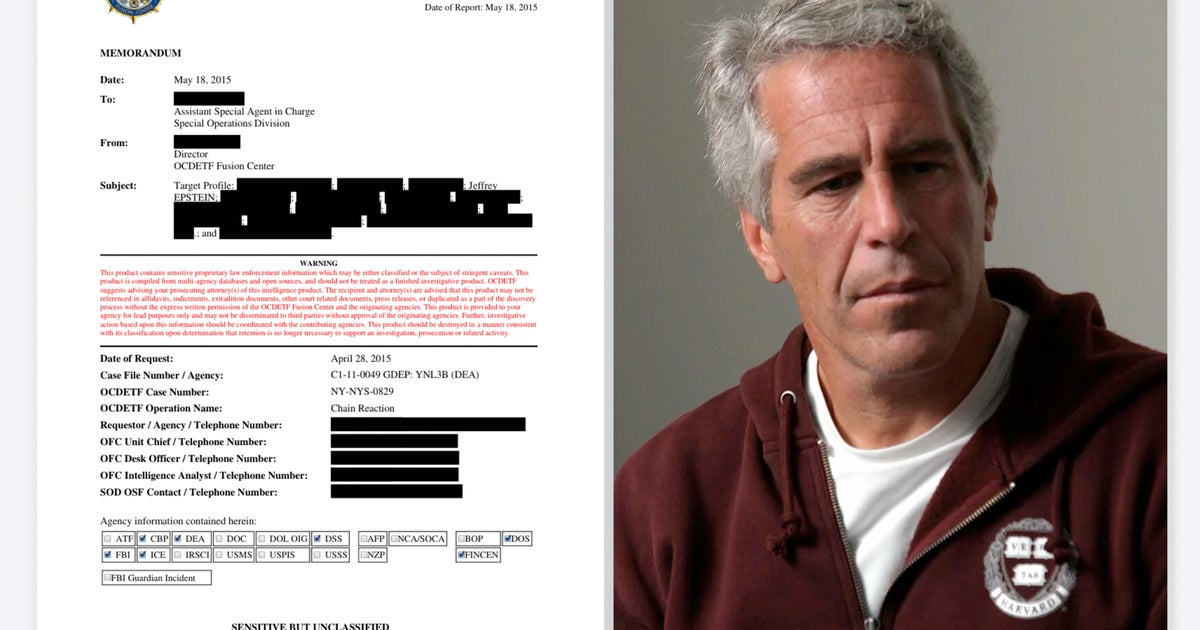
A significant controversy has erupted in Washington involving Democratic Senator Ron Wyden of Oregon and the Justice Department’s second-in-command, Deputy Attorney General Todd Blanche. At the heart of this dispute is a classified document from 2015 that details what appears to be a secret Drug Enforcement Administration investigation into Jeffrey Epstein, the disgraced financier and convicted sex offender. Senator Wyden has publicly accused Blanche of deliberately preventing the release of this crucial memorandum, which allegedly contains information about Epstein’s involvement in drug trafficking and prostitution activities. The document in question was prepared by the Justice Department’s Organized Crime Drug Enforcement Task Forces, a specialized unit responsible for coordinating complex investigations involving drug trafficking and money laundering across multiple government agencies. This memo was part of a massive collection of over 3 million Epstein-related files released in January, though the version made public was heavily redacted, concealing much of its most sensitive information. The standoff between Wyden and the Justice Department has now spilled into the public arena, with both sides trading accusations through official letters and social media posts.
The Back-and-Forth Battle on Social Media
The conflict took a particularly modern turn when it played out on social media platforms, with Deputy Attorney General Blanche firing back at Senator Wyden’s accusations with a forceful denial. Blanche claimed that Wyden had “completely fabricated a story for clicks,” suggesting the senator was more interested in generating attention than getting to the truth. According to Blanche, nobody in the Justice Department is blocking anything, and the unredacted memorandum is actually available for members of Congress to review in a secure reading room at the department. He pointedly added that Senator Wyden had never bothered to visit this reading room to view the documents himself. Wyden didn’t take this accusation lying down and responded with his own series of social media posts, escalating the confrontation further. The senator accused both Blanche and Attorney General Pam Bondi of hiding files in what he called a “black box” and made the stunning claim that the “DOJ is surveilling members of Congress who go to view them.” This allegation suggests that lawmakers who do attempt to access these sensitive documents are being monitored or tracked by the Justice Department, raising serious concerns about the separation of powers and congressional oversight capabilities.
What the Investigation Revealed About Epstein
According to the information that has emerged from the redacted version of the 2015 memorandum, the DEA investigation targeted not just Jeffrey Epstein but 14 other individuals for suspicious money transfers that investigators believed were connected to illegal narcotics trafficking. Sources familiar with the investigation have told CBS News that internal case coding indicates the DEA agents were specifically focusing on what are commonly known as “club drugs,” including ketamine, ecstasy, and GHB—substances often associated with sexual assault and the incapacitation of victims. The document explicitly states that “DEA reporting indicates the above individuals are involved in illegitimate wire transfers which are tied to illicit drug and/or prostitution activities occurring in the U.S. Virgin Islands and New York City.” Senator Wyden has gone further, stating in his letter to Blanche that he believes the government possessed “ample evidence” that Epstein was involved in drug trafficking and was “likely pumping his victims, including underage girls, with incapacitating drugs to facilitate abuse.” This chilling allegation adds another disturbing dimension to what we already know about Epstein’s crimes. The 69-page memorandum, marked as “law enforcement sensitive,” conceals the names of the 14 other targets who were under investigation alongside Epstein, leaving many questions unanswered about who else might have been involved in these activities.
The Significance of the DEA’s Involvement
The existence of this DEA investigation raises important questions about what federal authorities knew about Epstein’s activities and when they knew it. According to law enforcement sources who spoke with CBS News, for the DEA to open a case of this nature, there would have had to be a clear “drug nexus”—meaning credible evidence linking the targets to drug-related crimes. The document appears to have originated from a request by the DEA to an Organized Crime Drug Enforcement Task Forces Fusion Center in Virginia, asking for a complete workup on the case targets. These fusion centers are specialized facilities that run names against all major federal law enforcement databases to produce comprehensive intelligence profiles. The involvement of such a fusion center indicated that this investigation was considered “significant” by law enforcement standards. What makes this particularly troubling is that when Epstein was arrested and jailed in July 2019 by the U.S. Attorney’s Office for the Southern District of New York, sources involved in that prosecution told CBS News that the prosecutors were not even aware of the earlier DEA investigation. This lack of communication between different parts of the federal law enforcement apparatus raises serious questions about institutional coordination and whether opportunities to bring Epstein to justice earlier might have been missed.
Obstacles to Transparency and Public Access
When CBS News attempted to obtain more information about this investigation earlier this month by submitting a Freedom of Information Act request to the DEA, the agency denied the request. The DEA cited several reasons for withholding the documents, including that their release “[c]ould reasonably be expected to interfere with enforcement proceedings.” Law enforcement sources have suggested that the memo might be kept secret because it could contain information about ongoing enforcement actions connected to the original case, or because it might include the names of confidential informants whose safety could be compromised if their identities were revealed. These are legitimate concerns in the law enforcement community, as protecting ongoing investigations and confidential sources is crucial to effective policing. However, this explanation doesn’t fully address Senator Wyden’s concerns, particularly his claim that investigators for the Senate Finance Committee were initially told that the DEA was prepared to comply with his request for an unredacted copy of the memo—until Deputy Attorney General Blanche allegedly intervened sometime during the last three weeks. In his letter to Blanche, Wyden wrote, “It has come to my attention that you are preventing the Drug Enforcement Administration from producing an unredacted copy of a report I requested regarding drug trafficking and money laundering by Jeffrey Epstein and several associates. Your alleged interference in this matter is highly disturbing.”
The Larger Questions That Remain
This controversy over access to the Epstein documents touches on fundamental issues of government transparency, congressional oversight, and accountability for one of the most notorious criminal cases in recent American history. Jeffrey Epstein died in jail just weeks after his arrest in July 2019, with his death officially ruled a suicide, though many questions and conspiracy theories continue to swirl around the circumstances. The existence of a previously unknown DEA investigation into drug trafficking and prostitution activities adds yet another layer to an already complex and disturbing story. The public has a legitimate interest in understanding what federal authorities knew about Epstein’s criminal activities, when they knew it, and why he wasn’t stopped sooner despite apparently being under investigation by multiple agencies. The standoff between Senator Wyden and the Justice Department also raises concerns about whether the executive branch is appropriately responsive to congressional oversight or whether it is using classification and redaction to shield embarrassing or problematic information from scrutiny. As this dispute continues to unfold, it remains to be seen whether the full, unredacted memorandum will eventually be made available to congressional investigators and, ultimately, to the American public who deserve answers about how one of the most prolific sex offenders in modern history was able to operate for so long despite apparently being on the radar of federal law enforcement agencies.