
Government Announces Emergency Support as Energy Crisis Deepens
Relief Package for Vulnerable Families Facing Soaring Heating Costs
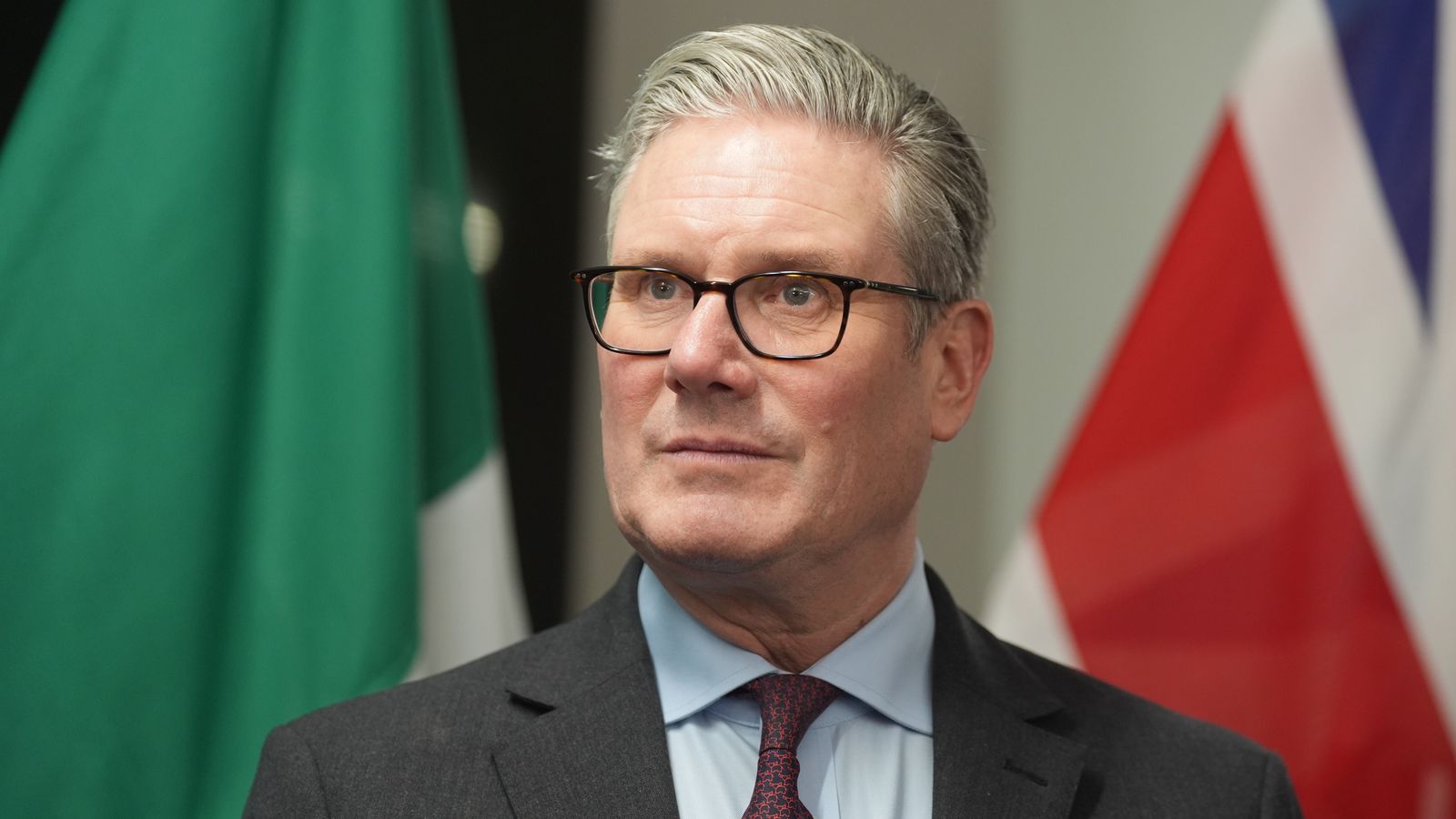
Prime Minister Sir Keir Starmer is set to announce emergency financial assistance for struggling households across the country as energy prices continue to spiral upward due to the ongoing conflict with Iran. The government has committed to providing what it describes as “targeted” support specifically for families who depend on heating oil to warm their homes—a group that has been particularly hard-hit by the recent crisis. Over the past week alone, heating oil prices have skyrocketed by an alarming 80%, leaving many families facing impossible choices between heating their homes and paying for other essentials. This dramatic price increase has created a genuine emergency for countless households who were already struggling with the cost of living, and the government recognizes that immediate action is necessary to prevent genuine hardship this winter season.
The Prime Minister’s announcement comes at a critical moment when ordinary working families are bearing the brunt of international conflicts that feel far removed from their daily lives yet have very real impacts on their household budgets. In a news conference scheduled at Downing Street, Sir Keir Starmer plans to emphasize that moments of crisis reveal the true character of a government and its priorities. He wants to make it absolutely clear that his administration’s first instinct and primary focus will always be supporting working people through difficult times. “Whatever challenges lie ahead, this government will always support working people,” the Prime Minister is expected to declare, positioning the emergency support package as evidence of his government’s commitment to protecting ordinary citizens from circumstances beyond their control. This statement reflects a broader philosophy that government exists not just to manage in good times but to step up and provide crucial support when families face genuine emergencies that threaten their basic quality of life.
Crackdown on Price Exploitation and Profiteering
Beyond simply providing financial assistance, the Prime Minister is taking a strong stance against energy companies that appear to be exploiting the crisis for profit. Sir Keir Starmer has announced that the government will not hesitate to pursue legal action, including substantial fines and other financial penalties, against suppliers who are accused of ripping off vulnerable customers during this difficult period. Reports have emerged suggesting that some heating oil suppliers have been engaging in particularly egregious practices—cancelling existing orders only to offer the same oil at dramatically inflated prices, a practice the Prime Minister characterizes as “jacking up prices” in a way that takes advantage of people’s desperate need for heating during the colder months. This kind of behavior, which amounts to price gouging during a crisis, strikes at the heart of fairness and decency that should govern how businesses treat their customers, especially during emergencies.
The Prime Minister’s message to these companies is unequivocal and firm: “I will not tolerate companies trying to exploit this crisis to make money from working people. If the companies have broken the law, there will be legal action.” This warning represents more than just political rhetoric—it signals a genuine willingness to use the full force of regulatory and legal mechanisms to protect consumers from predatory practices. Energy Secretary Ed Miliband reinforced this message during an appearance on Sky News, stating emphatically that the government would “fight people’s corner” and would not tolerate price gouging or unfair practices from petrol retailers and heating oil companies. This two-pronged approach—combining direct financial support for families with aggressive enforcement action against exploitative companies—demonstrates that the government recognizes both the immediate need for relief and the longer-term importance of ensuring fair market practices that don’t allow companies to profit unconscionably from others’ misfortune.
Northern Ireland Particularly Affected by Crisis
The government’s focus on heating oil users stems in large part from the Prime Minister’s recent visit to Northern Ireland, where he witnessed firsthand the devastating impact of rapidly rising fuel costs on local communities. Approximately 60% of households in Northern Ireland rely on heating oil rather than mains gas for their heating needs, making them particularly vulnerable to the price spikes that have occurred since the conflict with Iran began. Unlike households connected to the gas network, heating oil users aren’t protected by the energy price cap that limits how much suppliers can charge for gas and electricity. This means they face the full force of international price fluctuations with no regulatory buffer to soften the blow. For many families in Northern Ireland and rural areas throughout the United Kingdom, heating oil isn’t a luxury or a choice—it’s the only practical option for keeping their homes warm during the winter months.
The disproportionate impact on these communities has made addressing heating oil prices a matter of both economic justice and practical necessity. Rural households, which are more likely to depend on heating oil, often face other financial challenges as well, including lower average incomes, higher transportation costs, and fewer employment opportunities compared to urban areas. The 80% price increase in heating oil over just one week represents a catastrophic hit to household budgets that were often already stretched thin. Recognizing this vulnerability, Chancellor Rachel Reeves has worked to identify funding specifically to help those who fall outside the protection of the standard energy price cap. In an interview with The Times newspaper, she explained that while a universal bailout covering every household in the country would be financially unaffordable, the government has successfully “found the money” to provide meaningful support to those who genuinely need it most, working closely with Members of Parliament and other stakeholders to develop an appropriate response to this unprecedented situation.
Balancing Affordability with Effective Support
The government’s approach reflects a careful balancing act between fiscal responsibility and genuine care for those most in need. Chancellor Rachel Reeves has been frank about the financial constraints facing the government, acknowledging that providing universal support to every household in the country simply isn’t economically feasible given the scale of the crisis and other demands on public finances. Instead, the strategy focuses on directing available resources toward those households that are genuinely struggling and most vulnerable to the impact of soaring energy costs. This targeted approach allows the government to provide more substantial help to those who really need it rather than spreading resources too thinly across everyone, including those who can reasonably absorb the increased costs without government assistance.
This philosophy of targeted rather than universal support represents a pragmatic approach to crisis management in an era of constrained public finances. The Chancellor emphasized that the government has worked extensively with MPs and other representatives to develop a response specifically designed for people who aren’t protected by the existing energy price cap—those heating oil users who would otherwise face the full brunt of international price volatility with no safety net whatsoever. By focusing resources where they’re needed most, the government aims to prevent genuine hardship and difficult choices between heating and eating, while also maintaining fiscal discipline that will be important for the country’s longer-term economic health. This approach may not satisfy everyone—some will inevitably argue that support should be more broadly available—but it reflects the reality of governing with limited resources during multiple overlapping crises.
Looking Toward Diplomatic Resolution
While the immediate focus is on protecting households from the financial impact of the conflict, government sources stress that Prime Minister Starmer has consistently acted in the national interest throughout this crisis and continues working closely with international allies toward a swift diplomatic resolution. The government’s position is clear: while emergency support measures are necessary and appropriate in the short term, the quickest and most effective way to reduce the cost of living pressures facing working families is to end the conflict itself. The Prime Minister is expected to state explicitly that “there’s no question that ending the war is the quickest way to reduce the cost of living,” linking the domestic economic impact directly to the international diplomatic efforts that continue behind the scenes.
This emphasis on diplomatic resolution serves multiple purposes—it provides hope that the current crisis is temporary rather than permanent, it reminds the public that the government is working on multiple fronts to address the situation, and it acknowledges the fundamental truth that emergency domestic measures, however well-designed, are ultimately treating symptoms rather than causes. The government’s commitment to continue working toward a swift resolution of the situation in the Middle East represents the longer-term strategy that will ultimately determine whether energy prices return to manageable levels or remain elevated indefinitely. For now, working families can expect both immediate financial support to help them through the current crisis and ongoing diplomatic efforts aimed at resolving the underlying conflict that has driven prices upward so dramatically. The combination of short-term relief and longer-term diplomatic strategy represents the government’s comprehensive approach to a crisis that affects millions of households across the United Kingdom in very real and immediate ways.