



King Charles III to Make Historic State Visit to America
A Royal Journey Across the Atlantic
In an announcement that has captured international attention, Buckingham Palace confirmed on Tuesday that King Charles III will be making a state visit to the United States in late April. This marks a significant moment in diplomatic relations between the two nations, as it will be Charles’ first official state visit to America since ascending to the throne. While the king is no stranger to American soil—having visited the country nineteen times during his years as Prince of Wales—this upcoming journey carries a weight and symbolism that his previous trips did not. The visit is specifically timed to commemorate the 250th anniversary of American Independence, a milestone that underscores the enduring connection between these two nations despite their revolutionary history. According to palace officials, the trip will focus on celebrating both the historical ties that bind the United Kingdom and the United States, as well as the modern, dynamic relationship that continues to evolve between these two powerful allies on the world stage.
Following in His Mother’s Footsteps
King Charles will be following a distinguished tradition established by his late mother, Queen Elizabeth II, who made four memorable state visits to the United States throughout her remarkable seventy-year reign. The Queen’s American journeys took place in 1957, 1976, 1991, and 2007, each one strengthening the bonds of friendship and cooperation between the two countries. These visits were more than ceremonial occasions; they represented moments when the “special relationship” between Britain and America was renewed and reinforced at the highest levels. Now, Charles steps into that role, carrying forward his mother’s legacy while adding his own personal touch to Anglo-American diplomacy. The fact that he has visited America so many times before—more than any other member of the royal family—suggests he brings both familiarity with American culture and a genuine appreciation for the country to this formal state occasion. His previous visits ranged from environmental conferences to cultural exchanges, but this time, he arrives not as heir apparent but as monarch, representing the United Kingdom with all the authority and symbolism that the crown commands.
Recent Diplomatic Exchanges and Royal Hospitality
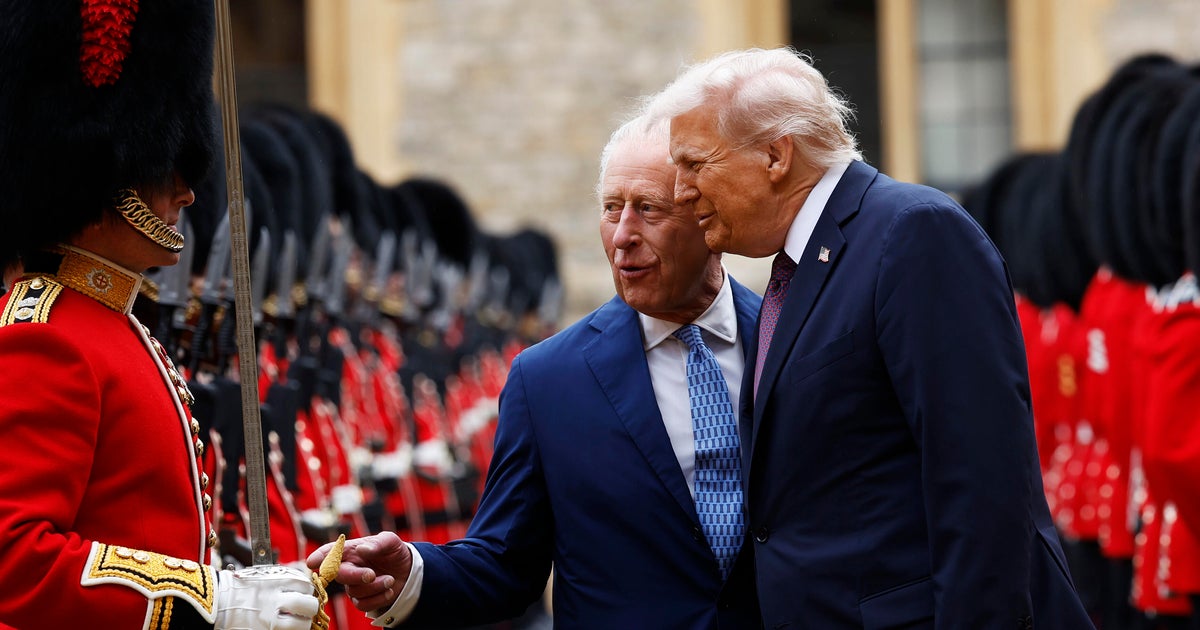
The upcoming visit can be seen as a continuation of the diplomatic dance between American and British leadership. Just months ago, in September, President Trump made his own state visit to the United Kingdom, where he was treated to the full pageantry of British royal hospitality. The president attended a magnificent state dinner hosted by King Charles and Queen Camilla at the historic Windsor Castle, an event that sparkled with formal elegance and diplomatic significance. The dinner was also attended by Prince William and his wife, Catherine, the Princess of Wales, highlighting the royal family’s commitment to maintaining strong ties with America regardless of political changes or challenges. During that visit, President Trump and King Charles were photographed inspecting the Guard of Honor at Windsor Castle, an image that captured the blend of military tradition and diplomatic courtesy that characterizes these high-level exchanges. Such visits serve multiple purposes: they strengthen governmental relationships, create opportunities for private discussions between leaders, and demonstrate to both nations’ citizens the importance of the transatlantic alliance that has shaped global affairs for generations.
Complicated Times for the Special Relationship
While the pomp and ceremony of a state visit can create an atmosphere of warm friendship, the reality is that King Charles arrives in Washington at a particularly sensitive moment in U.S.-U.K. relations. The timing of his visit coincides with notable tensions between the Trump administration and the government of British Prime Minister Keir Starmer. President Trump has openly criticized Starmer’s cautious approach to joining American military operations, particularly regarding the joint U.S.-Israeli war effort against Iran. The United Kingdom has taken a middle position, allowing the United States to utilize British military bases for what are described as “defensive” operations, while stopping short of full participation in offensive actions. This delicate balancing act reflects Britain’s complex position in international affairs: maintaining its historic alliance with America while also pursuing its own national interests and honoring its commitments to international law and multilateral cooperation. King Charles, as a constitutional monarch, cannot involve himself directly in political disputes, but his presence and the conversations that happen during his visit may help to smooth over some of the rougher edges in the current relationship, reminding both sides of the deeper historical and cultural connections that transcend temporary political disagreements.
Shadows and Controversies Hanging Over the Visit
The king’s visit to America doesn’t take place in a vacuum, and recent controversies within the British establishment have cast some uncomfortable shadows that may follow Charles across the Atlantic. Most notably, there has been ongoing fallout from revelations connected to the late convicted sex offender Jeffrey Epstein. King Charles’ younger brother, formerly known as Prince Andrew, has been at the center of this storm. In response to the escalating scandal, King Charles took the extraordinary step of stripping Andrew of his royal titles, a move that underscored the seriousness of the allegations and the monarchy’s attempt to distance itself from the controversy. The situation intensified further when Andrew was arrested last month on suspicion of misconduct in public office following new revelations from the Epstein files. Adding another layer to this already complex situation, Peter Mandelson, who served as the United Kingdom’s ambassador to Washington, was also arrested last month on similar charges related to his connections with Epstein. These arrests and investigations have created an uncomfortable backdrop for Anglo-American relations, raising questions about accountability, judgment, and the extent of problematic associations within British elite circles. While King Charles himself has not been implicated in any wrongdoing, these controversies inevitably affect the broader context in which his visit takes place, potentially overshadowing some of the positive diplomatic work he hopes to accomplish.
Looking Ahead: From Washington to Bermuda and Beyond
Following his time in Washington, King Charles will continue his journey by visiting Bermuda, the British overseas territory in the North Atlantic. This extension of his trip highlights the continued importance of Britain’s relationship with its territories and the Commonwealth more broadly. The visit to Bermuda will allow the king to connect with British subjects living under the crown in a different context, reinforcing the ties that bind these far-flung communities to the United Kingdom. It also demonstrates that while the American portion of the trip celebrates independence and separation, Britain’s global presence remains significant in many parts of the world where the monarchy still holds meaningful symbolic and constitutional roles. As King Charles undertakes this ambitious journey, he does so at a pivotal moment in his reign and in world history. The international landscape is shifting, with new alliances forming and old ones being tested. The 250th anniversary of American Independence provides a natural opportunity to reflect on how far both nations have come since their revolutionary split—from adversaries to allies, from colonial relationship to equal partnership. Whatever challenges and controversies may surround this visit, it represents an important affirmation that the bonds between Britain and America, forged through shared language, culture, values, and history, remain strong enough to weather temporary storms and continue into the future.