
Kurdish Forces in Northern Iraq Prepare for Potential Conflict with Iran
Growing Tensions Along the Iran-Iraq Border
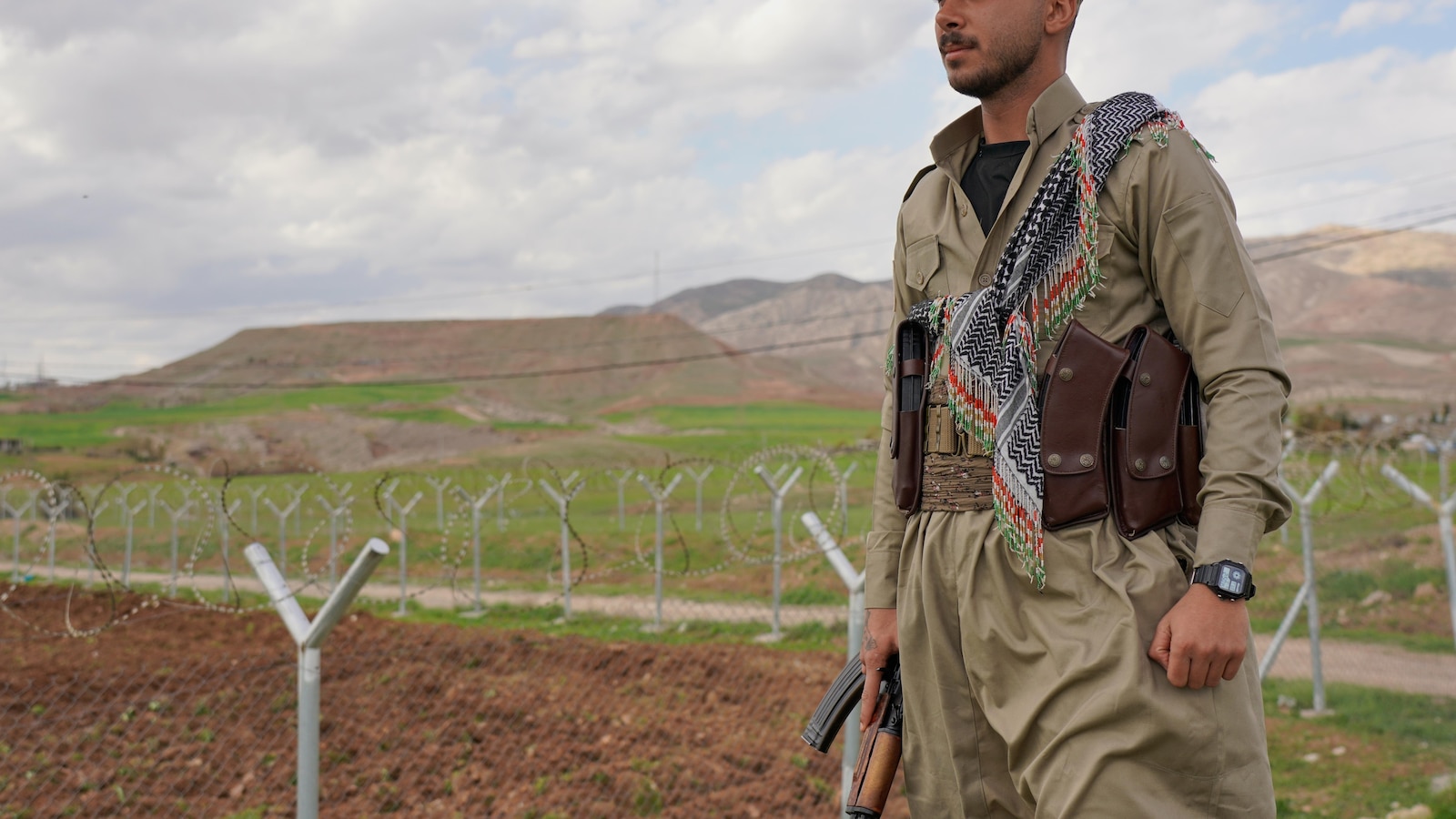
In the rugged mountains of northern Iraq, a significant military mobilization is quietly taking place that could reshape the ongoing conflict in the Middle East. Kurdish Iranian opposition groups, who have long made their home in Iraq’s semi-autonomous Kurdish region, are positioning themselves for what could become a major cross-border operation into Iran. According to Kurdish officials who spoke with The Associated Press, these preparations come at the request of the United States, which has asked Iraqi Kurdish leaders to provide support for these Iranian opposition forces. The development marks a potentially dangerous escalation in the already volatile region, threatening to draw Iraq deeper into the conflict between the U.S., Israel, and Iran that intensified following recent military strikes. The situation is particularly complex because these Kurdish groups represent some of the most organized and capable opposition forces against the Iranian government, with thousands of trained fighters who gained valuable combat experience during the brutal fight against ISIS. Their potential entry into active combat operations could present serious challenges to Tehran’s already embattled authorities, who are dealing with both external military pressure and internal dissent.
Kurdish Opposition Forces Ready for Action
Khalil Nadiri, an official with the Kurdistan Freedom Party (known by its Kurdish acronym PAK), confirmed on Wednesday that some of their forces have already relocated to positions near the Iranian border in Sulaymaniyah province, where they remain on standby awaiting orders. He revealed that leaders of various Kurdish opposition groups have been in contact with U.S. officials regarding a potential military operation, though he declined to provide specific details about these discussions. Another representative from Komala, a separate Iranian Kurdish opposition group, stated that their forces could be ready to cross into Iran within one to ten days, simply “waiting for the grounds to be suitable” for such an operation. This official chose to remain anonymous due to legitimate security concerns. These groups have previously claimed responsibility for attacks against Iran’s paramilitary Revolutionary Guard, particularly in retaliation for Tehran’s violent suppression of protests within Iran. However, until now, they have not launched major operations from their bases in Iraq into Iranian territory. If these groups were to actively enter the current conflict, it would mark the first time a significant ground force has joined the battle that has so far been conducted primarily through air strikes and missile attacks. The combat experience these fighters gained during years of fighting the Islamic State group makes them a potentially formidable force.
Historical Grievances Fuel Kurdish Opposition
The Kurdish population in Iran carries a long and painful history of grievances and periodic uprisings against both the current Islamic Republic government and the monarchy that ruled before the 1979 revolution. During the reign of Shah Mohammad Reza Pahlavi, Iranian Kurds faced systematic marginalization and repression, occasionally rising in rebellion against these injustices. When the Islamic Revolution overthrew the shah in 1979, many Kurds hoped for greater autonomy and recognition, but the new theocratic government proved equally hostile to Kurdish aspirations. In the months following the revolution, Iranian forces engaged in brutal campaigns against Kurdish insurgents, destroying entire towns and villages in fighting that claimed thousands of lives. This history of persecution has created deep-seated resentment that continues to motivate Kurdish opposition to the Iranian government today. However, the Kurdish opposition groups face challenges beyond their conflict with Tehran. They have experienced significant friction with other Iranian opposition factions, particularly the group led by Reza Pahlavi, the son of the last shah. Pahlavi has accused the Kurdish groups of harboring separatist ambitions and seeking to divide Iran rather than reform it, highlighting the fragmented nature of the Iranian opposition movement despite their shared goal of removing the current government from power.
Iraqi Kurdish Leaders Face Difficult Choices
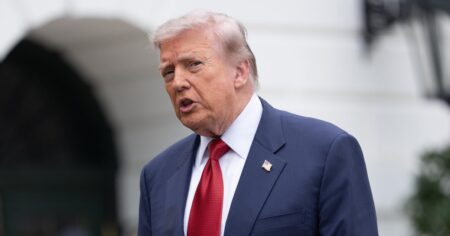
The potential for cross-border operations has placed the leadership of Iraq’s Kurdish region in an extremely uncomfortable position, caught between American requests and the very real threat of Iranian retaliation. Three Iraqi Kurdish officials, speaking anonymously because they lacked authorization to comment publicly, confirmed that President Donald Trump held a phone conversation Sunday night with Masoud Barzani and Bafel Talabani, the leaders of the two dominant Kurdish political parties in Iraq—the Kurdistan Democratic Party (KDP) and the Patriotic Union of Kurdistan (PUK). According to one official familiar with the call, Trump requested that Iraqi Kurdish forces provide military support to the Iranian Kurdish opposition groups and that they open the border to allow these fighters to move freely between Iraq and Iran. When questioned about this conversation, White House press secretary Karoline Leavitt acknowledged that Trump had spoken with Kurdish leaders “with respect to our base that we have in northern Iraq” but denied that any specific operational plan had been agreed upon. Defense Secretary Pete Hegseth also downplayed reports about arming Kurdish groups, telling reporters that American objectives “are not premised on the support or the arming of any particular force.”
Security Concerns and Regional Consequences
Iraqi Kurdish officials have expressed serious concerns about the consequences of direct involvement in the conflict with Iran. The Kurdish region has already experienced a series of drone and missile attacks in recent days from both Iran and allied Iraqi militias, targeting U.S. military installations, the American Consulate in Irbil, and the bases of Iranian Kurdish opposition groups. While most of these attacks have been intercepted by air defense systems, civilian homes have suffered damage, and the region is experiencing significant electricity shortages after a major gas field suspended operations due to security fears. The Patriotic Union of Kurdistan issued a statement confirming Talabani’s phone conversation with Trump, noting that the American president “provided clarification and vision regarding U.S. objectives in the war.” Significantly, the statement concluded that the PUK “believes that the best solution is a return to the negotiating table,” suggesting reluctance to pursue military options. Spokespeople for both the Kurdish regional government and Barzani’s KDP declined to comment on these sensitive matters. The presence of armed Iranian Kurdish groups in northern Iraq has long been a source of tension between Iraq’s central government in Baghdad and Iran. In 2023, Iraq reached an agreement with Tehran to disarm these groups and relocate them from border areas—where they posed a potential threat to Iran—into camps designated by the Iraqi government. While their military bases were officially shut down and their movements restricted, the groups never actually surrendered their weapons.
Baghdad Caught Between Competing Pressures
Iraq’s central government finds itself trying to balance competing demands from various powerful actors. National Security Adviser Qassim al-Araji revealed that Ali Bagheri, deputy secretary of Iran’s Supreme National Security Council, had called to request that Iraq “take the necessary measures to prevent any opposition groups from infiltrating the border between the two countries.” In response, al-Araji committed that Iraq would prevent “any groups from infiltrating or crossing the Iranian border or carrying out terrorist acts from Iraqi territory” and announced that security reinforcements had been deployed to the border region. Beyond the threat of direct Iranian retaliation, any decision by Iraqi Kurds to support cross-border attacks would likely inflame dangerous tensions with Iran-backed Iraqi militias, which have already claimed responsibility for recent missile and drone strikes on Irbil and other locations in the Kurdish region. These militias wield considerable influence in Iraqi politics and have demonstrated their willingness to use violence to advance their interests. The situation presents a complex web of competing loyalties, historical grievances, and immediate security concerns that could determine whether northern Iraq becomes a new front in the expanding regional conflict or whether diplomatic efforts can prevent further escalation.