


Queen Elizabeth II’s Fashion Legacy Takes Center Stage at Buckingham Palace
A Historic Exhibition Celebrating Royal Style
Buckingham Palace is preparing to unveil an extraordinary tribute to Queen Elizabeth II’s remarkable sense of style with what promises to be the most comprehensive fashion exhibition ever dedicated to the late monarch. Opening its doors this Friday, “Queen Elizabeth II: Her Life in Style” will showcase hundreds of carefully curated pieces from the Queen’s personal wardrobe, offering visitors an intimate glimpse into seven decades of royal fashion history. This momentous exhibition is particularly special as more than half of the items on display have never been shown to the public before, making it a once-in-a-lifetime opportunity for fashion enthusiasts, historians, and royal admirers alike. The collection spans the entirety of Elizabeth’s remarkable 96 years, from her childhood garments to the iconic ensembles she wore while representing the British monarchy on the world stage. For those who followed her reign with admiration, this exhibition represents not just a fashion retrospective, but a visual journey through modern British history itself, told through the lens of one woman’s evolving wardrobe and her understanding of fashion as a tool of diplomacy and connection.
From Princess to Fashion Icon
Queen Elizabeth II, who passed away in 2022, evolved from a young princess into an unexpected fashion icon during her unprecedented 70-year reign—the longest in British history. While she may not have initially set out to become a style influencer, her position on the world stage and her thoughtful approach to dressing transformed her into a figure of fashion significance. One of the most memorable moments that solidified her status in the fashion world came in 2018 when she made a surprise appearance at London Fashion Week, sitting front row at designer Richard Quinn’s show alongside the formidable Anna Wintour, then Editor-in-Chief of Vogue magazine. This appearance wasn’t just a casual visit; it demonstrated the Queen’s genuine appreciation for British fashion and her role in supporting the country’s creative industries. Her fashion influence was further cemented when she graced the cover of Vogue during the celebrations of her Platinum Jubilee, marking seven decades on the throne. These moments revealed a monarch who understood that fashion was more than vanity—it was a language of its own, a way to communicate values, support national industry, and create meaningful connections with people from all walks of life.
The Power of Color and Visibility
Throughout her reign, Queen Elizabeth II became instantly recognizable for her distinctive fashion choices, particularly her bold use of color. Her rainbow wardrobe wasn’t a random selection or simply a matter of personal preference—it was a carefully considered strategy rooted in duty and connection. As exhibition curator Caroline de Guitaut explained in an interview with ABC News, the Queen’s colorful ensembles served a practical and deeply meaningful purpose. When attending public engagements, where crowds of well-wishers would gather, often standing at considerable distances, Elizabeth wanted to ensure that everyone who had taken the time to come see her could actually spot her in the crowd. Her vibrant coats, dresses, and hats in shades of electric blue, sunshine yellow, hot pink, and emerald green weren’t just fashion statements—they were acts of consideration for her subjects. “People turned out to see her, carrying out her official engagements, and they really wanted to see her,” de Guitaut noted, emphasizing how this thoughtful use of color created a visual connection between the monarch and her people. This approach to dressing demonstrated Elizabeth’s understanding that her role extended beyond simply appearing at events; it was about being truly present and visible to those who came to see their Queen.
A Wardrobe That Tells a Story
The exhibition offers visitors a comprehensive look at the Queen’s life through fashion, featuring an impressive range of garments that mark significant moments throughout her journey. Among the treasures on display are charming childhood clothes that show the young Princess Elizabeth before she ever imagined she would become Queen, providing a touching glimpse into her early years. The collection includes her stunning wedding dress, which she wore when she married Prince Philip in 1947, a gown that captivated a post-war nation hungry for beauty and hope. Visitors will also see her magnificent coronation gown from 1953, an elaborately embroidered masterpiece that represents the weight and grandeur of monarchy itself. Beyond these ceremonial pieces, the exhibition showcases numerous gowns worn to state banquets, where Elizabeth hosted and dined with world leaders, presidents, and dignitaries from every corner of the globe. Each piece in the collection, according to curator de Guitaut, reflects someone who “dresses with consideration, with elegance and mostly with restraint.” These aren’t just beautiful clothes; they’re historical documents that tell the story of diplomacy, duty, and the evolution of British identity over nearly a century. Every stitch, every fabric choice, and every accessory was selected with purpose, reflecting the serious thought Elizabeth gave to her public presentation.
The Complete Royal Look: Accessories and Jewels
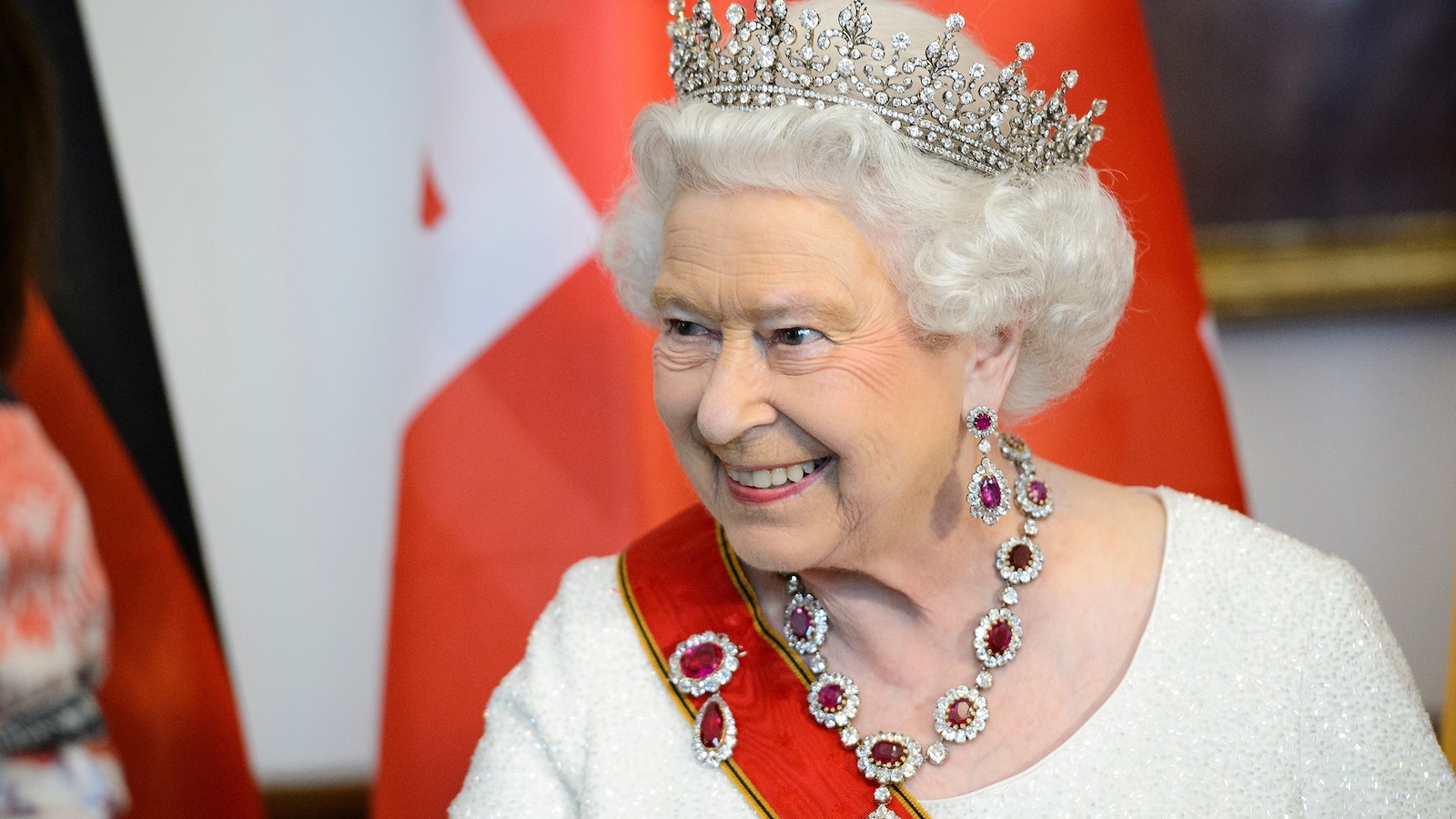
No examination of Queen Elizabeth II’s style would be complete without acknowledging her signature accessories, and the exhibition doesn’t disappoint in this regard. Visitors will be treated to displays of the Queen’s famous collection of hats, which became as much a part of her identity as her colorful coats. These weren’t mere decorative additions—they were essential elements of her carefully constructed public image, each one chosen to complement her outfit while maintaining the regal bearing expected of a monarch. Perhaps even more iconic were her handbags, which seemed to be perpetually present on the Queen’s arm, leading to endless speculation about what she actually carried in them and whether she used them to send secret signals to her staff. The exhibition also includes a dazzling array of jewelry pieces, offering a rare opportunity to see some of the most precious items from the royal collection up close. Among these treasures is the Queen Mary Diamond Fringe Tiara, a stunning piece that hasn’t been displayed publicly in nearly two decades. This particular tiara holds special significance as it was worn by Elizabeth on her wedding day, and its inclusion in the exhibition adds an extra layer of historical and emotional resonance. These accessories complete the picture of a woman who understood that every detail mattered, that fashion was a complete package where each element worked together to create an impression of dignity, approachability, and timeless elegance.
A Living Legacy Open to the World
“Queen Elizabeth II: Her Life in Style” represents more than just a fashion exhibition—it’s a celebration of a life dedicated to service, presented through the lens of personal style and sartorial diplomacy. By opening this extensive collection to the public at Buckingham Palace from April 10 through October 18, 2026, the Royal Collection Trust is offering people around the world a chance to connect with the late Queen in a new and intimate way. For those who admired her from afar, this exhibition provides insight into the thoughtfulness and intention behind every public appearance. For fashion historians and enthusiasts, it’s an unparalleled opportunity to study the evolution of British couture and royal dressing across seven decades. Caroline de Guitaut’s observation that the Queen’s role in wearing these pieces “was really fundamental to the initial success of British couture” underscores Elizabeth’s often-overlooked contribution to Britain’s creative industries—she was, in effect, one of the nation’s most effective ambassadors for British fashion and craftsmanship. As visitors walk through the exhibition, viewing everything from playful childhood outfits to magnificent state gowns, they’ll witness not just the changing fashions of the 20th and 21st centuries, but the remarkable consistency of character in a woman who understood that what she wore mattered—not for vanity’s sake, but because it was another way to fulfill her duty, support her nation’s artisans, and connect with people who simply wanted to see their Queen. This exhibition ensures that Queen Elizabeth II’s legacy extends beyond her record-breaking reign to include her lasting influence on fashion, royal presentation, and the understanding that style, when wielded with intention and grace, can be a powerful tool for connection and communication.