


Las Vegas Scores Big: Super Bowl Returns to Sin City in 2029
A Well-Deserved Victory for the Entertainment Capital
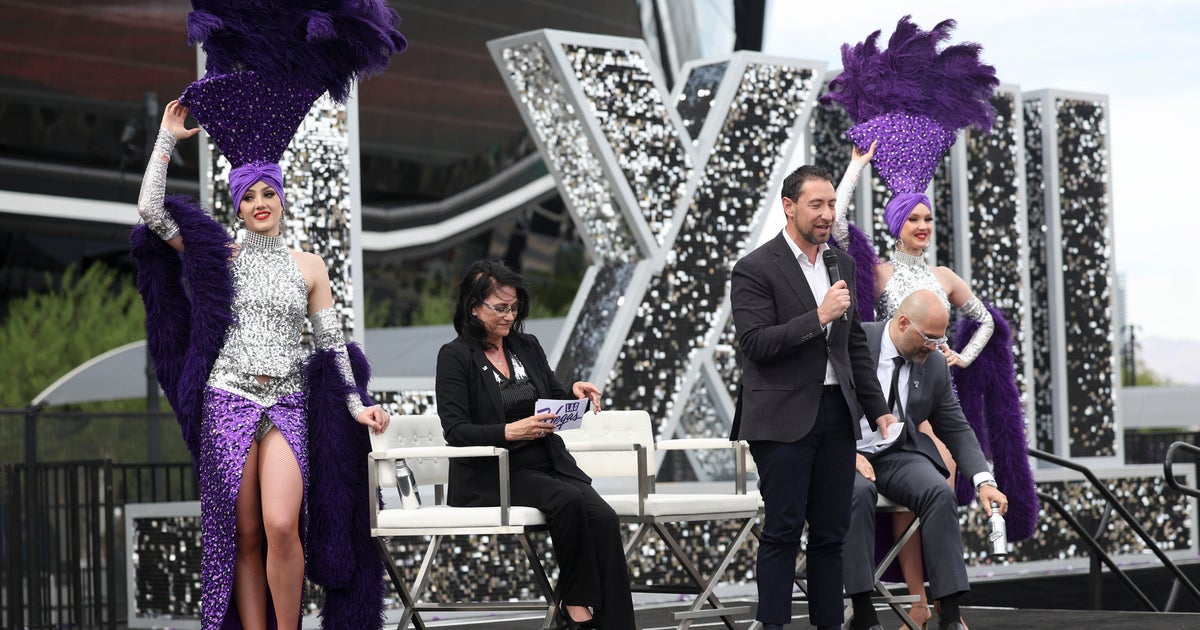
In a decision that surprised virtually no one, NFL owners gathered in Phoenix on Monday and unanimously voted to bring the Super Bowl back to Las Vegas in 2029. This marks the second time that Allegiant Stadium will host America’s biggest sporting event, following the thrilling overtime showdown in February 2024 where the Kansas City Chiefs edged out the San Francisco 49ers with a nail-biting 25-22 victory. For a city that was once viewed with suspicion by the NFL due to concerns about gambling, this represents a remarkable turnaround and a testament to how successfully Las Vegas pulled off its first Super Bowl. The writing was on the wall from the moment that first game concluded—NFL Commissioner Roger Goodell practically confirmed that Las Vegas would be welcomed back when he praised the city’s execution of Super Bowl LVIII. The decision to return wasn’t just about acknowledging a job well done; it was about recognizing that Las Vegas has transformed into one of the premier destinations for major sporting events in the entire country.
From Outcast to Premier Host: Las Vegas’s NFL Journey
The relationship between Las Vegas and the NFL tells a fascinating story of change and acceptance. For decades, the league kept the gambling capital at arm’s length, worried about the optics of associating with a city built on betting. How times have changed. Since the Raiders made their bold move to Las Vegas in 2020, the city has proven itself to be a natural home for professional football and major sporting events. The NFL even trusted Las Vegas with hosting the 2022 draft, which was a resounding success. When Super Bowl LVIII finally came to town in 2024, it felt like the culmination of years of the city proving its worth. Commissioner Goodell’s enthusiastic statement following the announcement of the 2029 game made it clear that any lingering doubts have evaporated. “We’re excited to bring the Super Bowl back to Las Vegas and provide our fans another incredible experience in one of America’s greatest sport and entertainment destinations,” he said, highlighting how the 2024 game demonstrated the city’s capability to handle events of massive scale with energy and world-class hospitality.
What Made the First Super Bowl in Vegas So Special
Las Vegas’s first Super Bowl wasn’t just successful—it set a new standard for what the big game could be. The city’s unique geography played a huge role in this success. Unlike many Super Bowl host cities where events are scattered across town, requiring constant shuttling between venues, Las Vegas kept most game-week festivities concentrated along the Strip. Even more impressively, Allegiant Stadium sits within walking distance of the southern end of Las Vegas Boulevard, meaning fans could literally stroll from their hotels to the game. This convenience factor, combined with Las Vegas’s unmatched expertise in entertainment, dining, and nightlife, created an experience that was hard to beat. The infrastructure was already there—thousands of hotel rooms, world-class restaurants, entertainment venues of every size and type, and a workforce that knows how to handle massive crowds. NFL Executive Vice President Peter O’Reilly summed it up perfectly when he explained why owners unanimously supported bringing the game back: “Clearly, Super Bowl 58 in Las Vegas was a tremendous success. Every element of that, everything that Las Vegas brought to bear, the energy, the size, the scale, the hospitality. That’s why Las Vegas is the host of so many premier sports and entertainment events.”
Building on Success: The Raiders and Community Commitment
Raiders owner Mark Davis deserves significant credit for believing in Las Vegas when others weren’t sure. His statement following the announcement acknowledged that the 2029 Super Bowl represents a collective achievement: “It’s a testament to the Raiders, the LVCVA, civic leaders, the community, and the NFL working together as one.” But Davis isn’t content to simply repeat what worked in 2024. He made it clear that the bar has been set high, and the city intends to raise it even further for Super Bowl LXIII. This commitment reflects the attitude of a city that refuses to rest on its laurels. The partnership between the Raiders organization, the Las Vegas Convention and Visitors Authority (LVCVA), and community leaders has proven to be remarkably effective. Steve Hill, CEO and President of the LVCVA, put it in perspective: “The commitment that Mark Davis made 10 years ago to bring the Raiders to Las Vegas, to build Allegiant Stadium, to bring the NFL to our city has been transformational for Las Vegas. It has elevated our city, it has raised our global profile and it has given us the opportunity to host the Super Bowl.” His words capture how much the Raiders’ arrival changed Las Vegas’s position in the sports world.
Las Vegas: America’s New Sports Mecca
The 2029 Super Bowl is just one highlight in what promises to be an extraordinary stretch for Las Vegas sports. The city has positioned itself as the go-to destination for major sporting events, and the calendar proves it. Allegiant Stadium will host the College Football Playoff National Championship in 2027, bringing the biggest game in college football to the desert. The following year, the venue will welcome the Final Four, adding March Madness to its resume. Beyond football and basketball, Las Vegas is expanding its professional sports footprint dramatically. Baseball’s Oakland Athletics are scheduled to begin playing in their new Las Vegas stadium in 2028, bringing Major League Baseball to a city that has long been considered too small-market for the sport. Perhaps even more exciting, there’s growing speculation that an NBA team could tip off its inaugural season in Las Vegas later that same year. This rapid accumulation of professional franchises and championship events represents a seismic shift in how America thinks about Las Vegas—no longer just a place to gamble and catch a show, but a legitimate major-league sports city.
The Identity of a City Built to Host
What makes Las Vegas particularly suited for these massive events goes beyond infrastructure and hotel rooms. As Steve Hill eloquently stated, “This is a city that is built to host. It’s not just what we do, it is how we measure ourselves.” That statement gets to the heart of why Las Vegas has been so successful in landing and executing major sporting events. The entire economy and culture of the city revolve around creating experiences for visitors, and that expertise translates perfectly to hosting events like the Super Bowl. The city’s workforce is trained in hospitality, its businesses are geared toward serving large crowds, and its leadership understands how to coordinate complex, multi-day events involving hundreds of thousands of people. The success of Super Bowl LVIII wasn’t a fluke or a one-time achievement—it was Las Vegas doing what Las Vegas does best. The unanimous decision by NFL owners to bring the game back in 2029 represents validation of something Las Vegas residents have known all along: their city can handle anything thrown at it. As Las Vegas continues to evolve from gambling destination to comprehensive entertainment and sports capital, the 2029 Super Bowl will serve as another milestone in a transformation that would have seemed impossible just a generation ago. The city that the NFL once avoided is now one of its favorite destinations, and that relationship only seems to be growing stronger.