


Immigration Reform Standoff: Congress Races Against Time to Fund Homeland Security
A Ticking Clock and High Stakes Negotiations
Washington finds itself once again at a political crossroads, with Republicans and Democrats unable to find common ground on immigration enforcement reform as the deadline to fund the Department of Homeland Security rapidly approaches. The current situation stems from Congress passing a series of funding measures last week that reopened the government and kept most federal agencies running through September, following a brief four-day partial government shutdown. However, the Department of Homeland Security—the agency responsible for overseeing both Immigration and Customs Enforcement (ICE) and Customs and Border Protection—received only a temporary funding extension until February 13th. This short-term solution was meant to buy lawmakers additional time to hammer out their differences regarding how the administration conducts its immigration enforcement operations, particularly after two fatal shootings involving federal agents in Minneapolis last month brought these practices under intense public scrutiny. Despite the breathing room this stopgap measure provided, the two parties remain deeply divided, with no clear path forward visible on the horizon.
Democrats Draw Their Line in the Sand
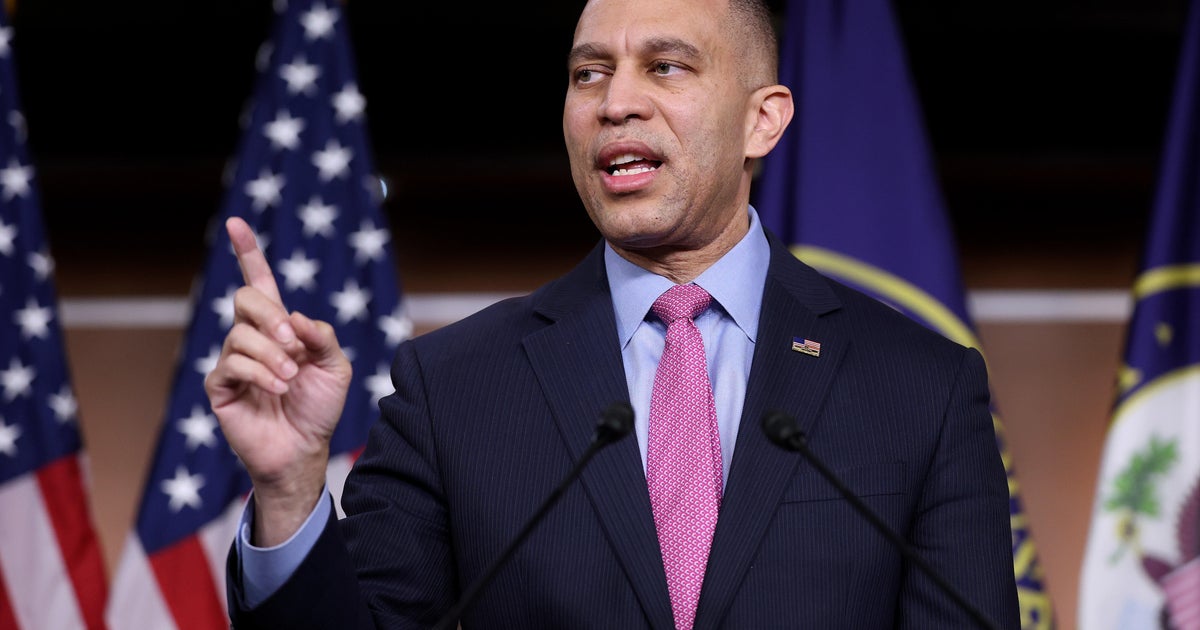
Senate Minority Leader Chuck Schumer and House Minority Leader Hakeem Jeffries have put forward a comprehensive list of demands aimed at establishing what they call “guardrails” around the Department of Homeland Security’s operations. According to sources who spoke with CBS News, Senate Democrats have already shared draft legislation outlining these proposed reforms with their Republican counterparts. The Democratic proposals include several significant changes to how immigration enforcement agents conduct their work in the field. Among the most prominent demands are requirements that agents wear body cameras during enforcement actions, display visible identification at all times, and be prohibited from wearing masks that conceal their identities while on duty. Democrats are also insisting that immigration agents be banned from entering private property without obtaining judicial warrants—similar to the protections afforded to U.S. citizens under the Fourth Amendment. Additionally, they want mandatory verification procedures to ensure that agents confirm someone is not a U.S. citizen before placing them in immigration detention facilities. These proposed reforms reflect growing concerns among civil liberties advocates and community groups about accountability and potential overreach in immigration enforcement activities.
Republican Resistance and Counterarguments
Republicans have wasted no time in pushing back against the Democratic proposals, characterizing them as “unrealistic and unserious.” Representative Tony Gonzales, a Texas Republican who represents a border district, appeared on CBS’s “Face the Nation” to outline his party’s objections to several key Democratic demands. Gonzales particularly took issue with the proposed ban on masks for immigration agents, arguing that “if rioters get to wear masks, then law enforcement gets to wear masks as well.” His comment reflects Republican concerns about officer safety during enforcement operations, especially in situations that might turn confrontational or violent. The requirement for judicial warrants has emerged as perhaps the most significant sticking point in the negotiations. Currently, immigration enforcement relies heavily on administrative warrants—documents signed by immigration officials rather than judges. Gonzales defended this practice vigorously, stating that “administrative warrants work” and expressing his desire to “give law enforcement every tool they need to go out and apprehend these convicted criminals that are loose in our community.” Republicans view the judicial warrant requirement as an unnecessary obstacle that would slow down enforcement operations and make it harder to detain individuals who they believe pose threats to public safety. Gonzales also made clear that any final agreement would not include what he termed “amnesty for illegal aliens” or measures that would strip protections from law enforcement officers trying to protect themselves in the field.
The Communication Breakdown and Path Forward
As the February 13th deadline draws nearer, the lack of productive dialogue between the parties has become increasingly apparent. When asked about the status of negotiations during his Sunday appearance on CNN’s “State of the Union,” Minority Leader Jeffries indicated that Democrats have yet to receive any response from either the White House or Republican congressional leaders regarding their proposed reforms. “In our view, the ball is in the court right now of the Republicans,” Jeffries stated, placing the responsibility for the current impasse squarely on the opposing party. He warned of the serious consequences if lawmakers fail to reach an agreement or approve another short-term funding extension, noting that a funding lapse would force agencies like the Coast Guard, FEMA, and the Transportation Security Administration to shut down—a scenario he described as “very unfortunate.” However, Jeffries emphasized that Democrats remain committed to their position, insisting that “we need to press forward aggressively and ensure that there are legislative changes enacted as part of any DHS spending bill, because that’s the way that you change behavior.” The New York Democrat characterized his party’s proposals as “common sense changes” that would simply bring immigration enforcement in line with standard law enforcement practices used elsewhere in the country. It’s worth noting that even if DHS funding lapses, immigration operations themselves would continue because ICE and CBP received substantial funding through last year’s One Big Beautiful Bill Act, though the broader government disruption would still create significant problems.
Finding Common Ground in a Polarized Environment
Despite the sharp rhetoric and seemingly irreconcilable differences, there are glimmers of potential compromise on certain issues. Both Republicans and Democrats have expressed openness to requiring immigration agents to wear body cameras during enforcement operations—a reform that gained momentum after the administration recently mandated camera use in Minneapolis following the controversial shootings there. Representative Gonzales specifically mentioned body cameras as one of the “things that make sense” from the Democratic proposal. Another area where agreement might be possible involves ending the practice of roving patrols, which have been criticized as potentially leading to racial profiling and harassment of communities. Gonzales also suggested that improving communication between immigration enforcement agencies and local communities could be beneficial. He proposed establishing “communication liaisons in all the communities that ICE has” who would serve as bridges between local officials—such as city managers, city council members, and community leaders—and the federal administration. Importantly, Gonzales emphasized that these liaisons would focus on “sharing communication” rather than “changing policy,” suggesting a way to address community concerns without fundamentally altering enforcement operations. These potential points of agreement offer a starting point for serious negotiations if both sides are willing to engage in good-faith discussions rather than simply staking out hardline positions.
The Broader Implications and What Comes Next
The current standoff represents more than just a routine budget dispute—it reflects fundamental disagreements about the proper role and conduct of immigration enforcement in American society. Democrats argue that immigration agents should be subject to the same constitutional constraints and accountability measures that apply to other law enforcement agencies, while Republicans contend that the unique challenges of immigration enforcement require different tools and approaches. The outcome of these negotiations will likely set important precedents for how immigration enforcement operates for years to come, affecting millions of immigrants, their families, and the communities where they live. As February 13th approaches, the pressure on lawmakers to find a solution will intensify. Both parties face political risks: Republicans could be blamed for protecting controversial enforcement practices and causing a partial shutdown of critical agencies, while Democrats might be accused of hampering law enforcement and compromising public safety. The coming days will test whether America’s divided Congress can move beyond partisan posturing to craft a compromise that addresses legitimate concerns about both accountability and effective enforcement. With just days remaining before the funding deadline, the question isn’t whether both sides have valid points—it’s whether they have the political will to find common ground before time runs out.