
Former Federal Prosecutor Faces Professional Misconduct Investigation
Florida Bar Launches Probe Into Controversial Appointments
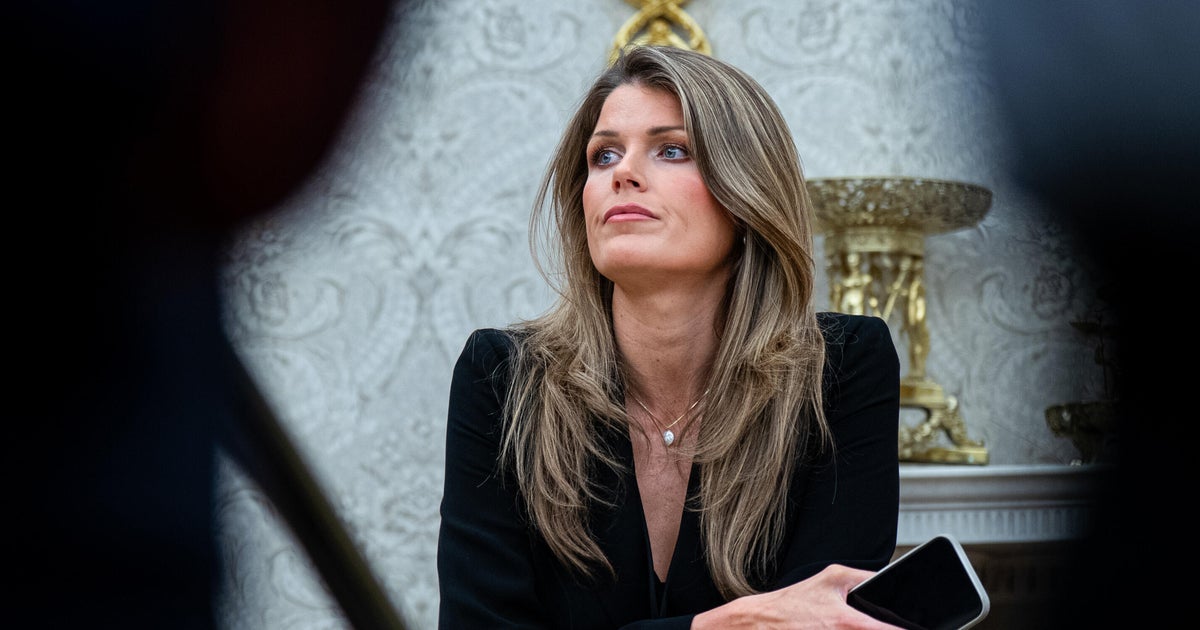
Lindsey Halligan, who briefly served as the interim U.S. Attorney for the Eastern District of Virginia, now finds herself on the other side of legal scrutiny. The Florida Bar has confirmed it’s conducting an investigation into her professional conduct, according to documents obtained by CBS News. This development marks a significant turn for someone who, until recently, held one of the most powerful prosecutorial positions in the country. The investigation centers on her actions while leading high-profile cases against prominent political figures, including former FBI Director James Comey and New York Attorney General Letitia James. Both of these prosecutions ended abruptly when a federal judge determined that Halligan’s appointment to the position was fundamentally flawed, violating both constitutional requirements and federal law. The situation has raised important questions about accountability within the legal profession and how attorneys in government positions should be held to professional standards when their appointments and subsequent actions come under judicial scrutiny.
The Cases That Sparked Complaints
The investigation stems from formal complaints filed by the Campaign for Accountability, a nonprofit watchdog organization dedicated to holding public officials accountable for their actions. Michelle Kuppersmith, the organization’s executive director, explained that they submitted detailed documentation outlining numerous ways they believed Halligan’s conduct during the Comey and James investigations violated professional rules of conduct in both Virginia and Florida. The complaints weren’t casual allegations but comprehensive filings that carefully detailed specific ethical concerns. The Campaign for Accountability first approached both the Virginia and Florida Bar associations in November, seeking a thorough review of Halligan’s professional conduct. However, the responses from these two state bars couldn’t have been more different, highlighting the varying approaches different jurisdictions take when handling complaints against attorneys who serve in government positions. This disparity in how professional oversight bodies respond to misconduct allegations has become a central part of the controversy surrounding this case.
Virginia Bar’s Refusal and Constitutional Questions
The Virginia State Bar declined to pursue an investigation, a decision that shed light on the limitations some bar associations face—or choose to impose—when investigating potential ethical violations. According to correspondence obtained by CBS News, Virginia’s bar association stated it couldn’t “initiate a disciplinary investigation based on ‘potential violations’ of disciplinary rules.” Their position required something more concrete: either a court determination such as sanctions for making false statements, or an actual criminal charge and conviction against Halligan. This high threshold for investigation frustrated the complainants but reflected Virginia’s interpretation of when professional discipline proceedings should begin. Meanwhile, the constitutional issues at the heart of the matter became impossible to ignore when U.S. District Judge Cameron Currie issued a bombshell ruling in November. Judge Currie found that Halligan’s appointment as interim U.S. attorney violated the Constitution’s Appointments Clause—a provision that specifies how certain federal officials must be appointed—as well as federal statutes governing how vacancies in U.S. attorney positions should be filled. This wasn’t a minor technicality but a fundamental constitutional problem with how she came to hold the position in the first place. Because of this finding, Judge Currie ordered the criminal cases against both Comey and James dismissed entirely, effectively erasing the prosecutions Halligan had been leading.
Defiance, Departure, and Renewed Complaints
Despite the judge’s clear ruling, Halligan’s troubles didn’t end with the dismissal of her cases. Attorney General Pam Bondi announced in January that Halligan had left the Justice Department, but the circumstances of her departure added another layer of controversy. According to Bondi’s statement, a federal judge had specifically barred Halligan from continuing to refer to herself as a U.S. attorney in court documents. The judge found that her continued use of the title directly ignored a “binding court order” that had already disqualified her from the position in 2025. This apparent defiance of a court order raised additional ethical concerns beyond the constitutional problems with her original appointment. It was this development that prompted Michelle Kuppersmith and the Campaign for Accountability to file a second complaint with both state bars in February. This time, their complaint emphasized that Halligan had now “been forced out of the position of U.S. Attorney,” asking the bars to investigate whether she had violated the Rules of Professional Conduct. The second complaint proved more successful, at least in Florida. Within days of receiving the February complaint, the Florida Bar responded with significant news: they already had an investigation underway and had been closely monitoring the developments in Halligan’s case. Notably, Halligan herself was included on this correspondence, meaning she was officially notified that her professional conduct was under formal review by the organization that licenses attorneys to practice law in Florida.
The Broader Implications for Legal Ethics
The investigation into Halligan is unfolding against a concerning backdrop that has raised alarms among legal ethics watchdogs. The Justice Department recently proposed a new rule that would allow the Attorney General to review state bar investigations into alleged misconduct by Justice Department lawyers. This proposal has sparked debate about whether it represents appropriate coordination between federal and state authorities or an inappropriate attempt to shield federal prosecutors from state-level accountability. Kuppersmith acknowledged that this proposed rule was “part of what prompted us to make this public,” explaining that the Campaign for Accountability wanted to “encourage state bars to continue doing their duty where they see fit.” The timing suggests a broader concern that federal intervention in state bar disciplinary processes could undermine the independence that state bars need to effectively regulate attorney conduct, even when those attorneys work for powerful federal agencies. The principle at stake is whether lawyers who serve in government positions should be subject to the same professional accountability as all other attorneys, or whether their government service somehow shields them from the ethical oversight that governs the legal profession.
Unanswered Questions and the Road Ahead
As this investigation proceeds, many questions remain unanswered, and key parties have remained silent. The Florida Bar, following standard protocol for ongoing investigations, has declined to provide any comment on the active case beyond confirming its existence. This is typical practice for bar associations, which generally keep disciplinary proceedings confidential until they reach a conclusion or formal charges are filed. Halligan herself did not immediately respond to requests for comment from CBS News, leaving her side of the story untold in public forums. Meanwhile, the Justice Department’s appeal of Judge Currie’s ruling remains pending before the U.S. Court of Appeals for the 4th Circuit, though notably, the department has not requested that the appellate court freeze Currie’s ruling while it considers the appeal—a decision that allows the dismissal of the Comey and James cases to stand for now. The outcome of the Florida Bar investigation could have significant implications not just for Halligan personally but for how professional accountability works for government attorneys more broadly. Possible outcomes range from dismissal of the complaint if the bar finds no violations, to private discipline, public reprimand, suspension of her law license, or in the most serious cases, disbarment. Whatever the result, this case has already highlighted important tensions between constitutional requirements for government appointments, judicial authority to enforce those requirements, and the professional responsibility system that governs all attorneys regardless of where they practice or whom they represent.