
SPLC Fights Back Against Federal Indictment, Calling Charges a Weaponization of Justice
Organization Challenges Trump Administration’s Fraud Allegations
The Southern Poverty Law Center finds itself in an unprecedented legal battle after being hit with serious criminal charges last week. The civil rights organization, which has spent decades tracking hate groups across America, is now pushing back hard against what it calls a politically motivated prosecution. The SPLC was indicted by a federal grand jury in Alabama on eleven counts related to wire and bank fraud. According to the Justice Department, the organization allegedly paid members of extremist groups to gather intelligence without properly disclosing this practice to donors or the banks handling their money. But the SPLC isn’t taking these accusations lying down. In filings submitted this week, the organization is demanding that grand jury materials be made public, arguing that Trump administration officials have been spreading false information about their work and that the entire indictment is built on shaky legal ground.
The organization’s legal team came out swinging in a motion filed on Tuesday, describing the indictment as a dramatic break from how the Justice Department normally operates and how the law has traditionally been applied. Their attorneys made it clear they believe this prosecution is targeting the very methods the SPLC has successfully used for decades to infiltrate and expose dangerous groups like the Ku Klux Klan and the Aryan Nations. These investigative techniques, they argue, have generated crucial intelligence that’s been shared with law enforcement agencies, including the FBI itself. The SPLC’s lawyers contend that the indictment fails to properly establish criminal intent, which is a fundamental requirement in fraud cases. They’ve promised that a formal motion to dismiss the charges is on its way. Perhaps most seriously, they’ve suggested that the grand jury may have been “actively weaponized” and misled by prosecutors about what the law actually says, raising questions about whether the entire indictment process was compromised from the start.
Challenging False Statements from Top Officials
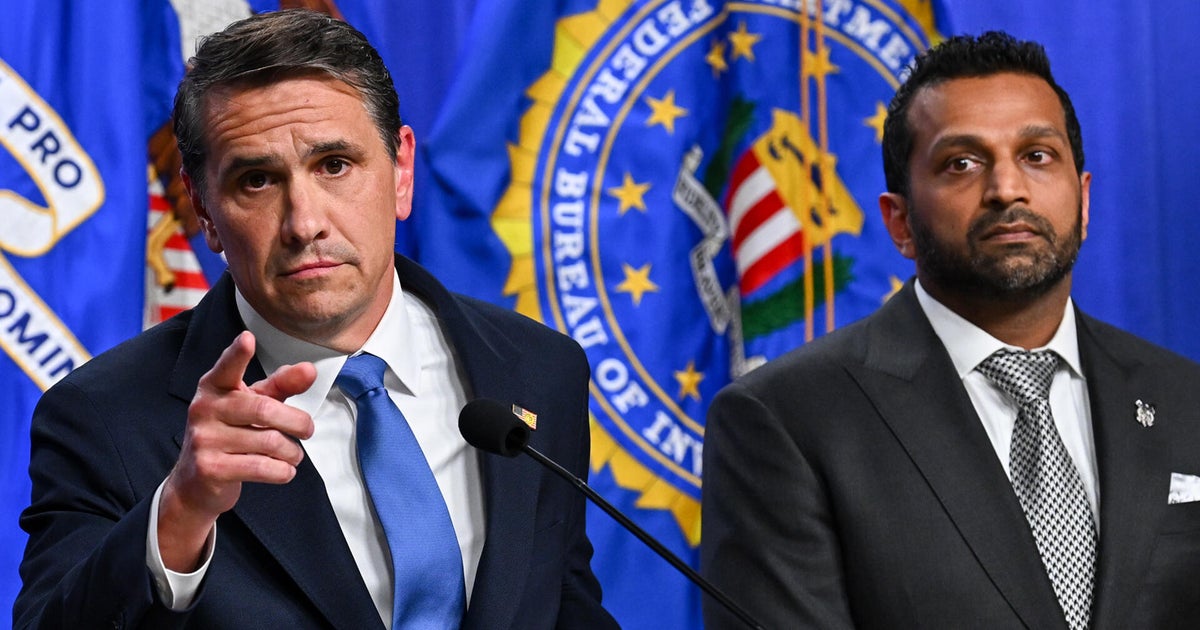
One of the most explosive aspects of the SPLC’s response involves direct challenges to statements made by some of the most powerful figures in the Trump administration’s Justice Department. The organization has specifically called out Acting Attorney General Todd Blanche and FBI Director Kash Patel for making what it describes as false and misleading comments to the media about the SPLC’s work. During an appearance on Fox News, Blanche claimed that the SPLC had failed to share information gathered from its paid informants with federal law enforcement before the deadly “Unite the Right” rally that took place in Charlottesville, Virginia, back in 2017. That rally, which brought together various white supremacist and neo-Nazi groups, resulted in violent clashes and the death of counter-protester Heather Heyer when a rally participant deliberately drove his car into a crowd. According to the SPLC, however, Blanche’s statement is simply not true. The organization says it had actually compiled detailed information about the upcoming rally and the potential for violence, creating a comprehensive report that was distributed to multiple law enforcement agencies, including the FBI’s office in Mobile, Alabama, before the event took place.
The SPLC is now asking the court to take the unusual step of ordering the release of transcripts from the grand jury proceedings. While federal rules typically keep grand jury matters secret to protect the integrity of investigations and the privacy of witnesses, the organization argues it needs access to these transcripts to determine whether prosecutors presented the grand jury with inaccurate or misleading information. This request, if granted, could provide a rare window into how the government built its case and whether the grand jury heard a complete and accurate picture of the SPLC’s activities. In a separate filing also submitted on Tuesday, the SPLC took the additional step of asking the court to force Acting Attorney General Blanche to publicly retract his statements about their work. The organization revealed that before the indictment was handed down, it had actually provided detailed information about its informant operations to the Justice Department during two separate meetings with federal law enforcement officials earlier this year, directly contradicting the narrative that they had been hiding their activities.
A Legacy of Fighting Extremism Now Under Attack
The Southern Poverty Law Center has built its reputation over more than four decades as one of America’s most prominent organizations dedicated to tracking and exposing hate groups and extremist movements. The nonprofit has been on the front lines of monitoring white supremacist organizations, neo-Nazi groups, anti-government militias, and other extremist factions that pose threats to public safety and civil rights. Their intelligence-gathering work has often involved infiltrating these dangerous organizations to understand their plans, membership, and potential for violence. According to the SPLC, this investigative work has directly contributed to criminal convictions and has helped law enforcement agencies prevent violent incidents. The organization pointed out in its filings that information from at least one of their informant cases led to the successful criminal prosecution and conviction of an individual connected to an extremist group. This kind of intelligence work, they argue, is not fraudulent activity but rather a legitimate and essential tool in the fight against domestic extremism.
The timing and nature of these charges have raised eyebrows among civil liberties advocates and legal experts, particularly given that the SPLC has long been a target of criticism from President Trump’s allies and supporters. The organization has frequently appeared on lists of groups that conservative political figures claim are biased against right-wing movements, and its hate group designations have been controversial in some quarters. Now, with the Trump administration’s Justice Department bringing criminal charges against the organization, many observers are questioning whether this prosecution represents a legitimate law enforcement action or a politically motivated attempt to silence and discredit a group that has been critical of extremist movements often associated with the political right. The SPLC’s characterization of the indictment as a “stunning and unremitting departure” from normal Justice Department practice suggests they believe this is an extraordinary case that breaks with how similar situations have been handled in the past.
Seeking to Protect the Right to a Fair Trial
Beyond just defending against the charges themselves, the SPLC is also working to protect its ability to receive a fair trial if the case moves forward. The organization has asked the court to issue an order preventing government officials from making any additional false or prejudicial statements that could compromise the fairness of future proceedings. This request addresses a genuine concern in high-profile cases: when top government officials make public statements about a case, particularly statements that turn out to be inaccurate, they can potentially taint the jury pool and make it difficult for defendants to receive an impartial hearing. The SPLC’s attorneys specifically noted their concern that if Acting Attorney General Blanche made false statements to the media about their failure to share information with law enforcement, the grand jury may have heard similar misrepresentations during the indictment process. They worry that arguments presented to the grand jury may have been built on the incorrect premise that the SPLC never shared intelligence from its informants with government agencies, when in fact the organization maintains it had a long history of cooperation with law enforcement, including the FBI.
The organization’s legal strategy appears to be multifaceted: challenge the legal sufficiency of the indictment itself, expose any misconduct or misrepresentation in the grand jury process, correct the public record regarding false statements from government officials, and establish protections to ensure fair treatment going forward. This aggressive approach suggests the SPLC views these charges as an existential threat not just to the organization itself but to the broader work of monitoring and exposing extremist movements in America. Bryan Fair, who serves as the interim president and CEO of the SPLC, emphasized in a statement that the information his organization has shared with the FBI over the past four decades has directly contributed to saving lives. He strongly denied the allegations in the indictment and said that the falsity of the charges is already being demonstrated in their court filings. Fair characterized the government’s actions as a blatant misrepresentation of the SPLC’s decades-long efforts to combat hatred and violent extremism, framing this prosecution as an attack on vital civil rights work rather than a legitimate fraud investigation.
The Broader Implications for Civil Society and Watchdog Organizations
This case raises important questions that extend far beyond the fate of one organization. If the Justice Department can successfully prosecute the SPLC for paying informants to infiltrate extremist groups without extensive disclosure to donors and banks, what does that mean for other nonprofit organizations engaged in investigative work? Many watchdog groups, human rights organizations, and journalism outlets use similar methods to expose wrongdoing, gather intelligence about threats, and hold powerful actors accountable. Undercover investigations and the use of paid sources are standard practices in many fields, from journalism to private investigation to law enforcement itself. The SPLC’s characterization of these charges as an attempt to “criminalize some of the very investigative tools and programs” they’ve used for decades suggests they see this case as setting a potentially dangerous precedent. If organizations can face criminal prosecution for paying sources without meeting disclosure requirements that may not have been clearly established or understood, it could have a chilling effect on investigative work across the nonprofit sector.
The outcome of this case could significantly impact how civil society organizations operate, particularly those working on controversial issues or investigating powerful groups. It also raises questions about the appropriate relationship between nonprofit organizations and law enforcement agencies. The SPLC has maintained that it shared intelligence with the FBI and other agencies, positioning itself as a partner in efforts to counter domestic extremism. Yet now that same government is prosecuting them for the methods used to gather that intelligence. As this case moves forward, courts will need to grapple with complex questions about disclosure requirements for nonprofits, the scope of investigative techniques available to private organizations, and the extent to which the government can criminalize practices that have historically been tolerated or even encouraged when they served law enforcement purposes. For now, the SPLC is fighting back with every legal tool at its disposal, determined to prove that these charges represent not legitimate law enforcement but rather a politicized attack on their mission to expose and combat hate groups and violent extremism in America.