
Indian Billionaire’s Son Offers Sanctuary to Pablo Escobar’s “Cocaine Hippos”
A Bold Proposal to Save Colombia’s Invasive Hippo Population
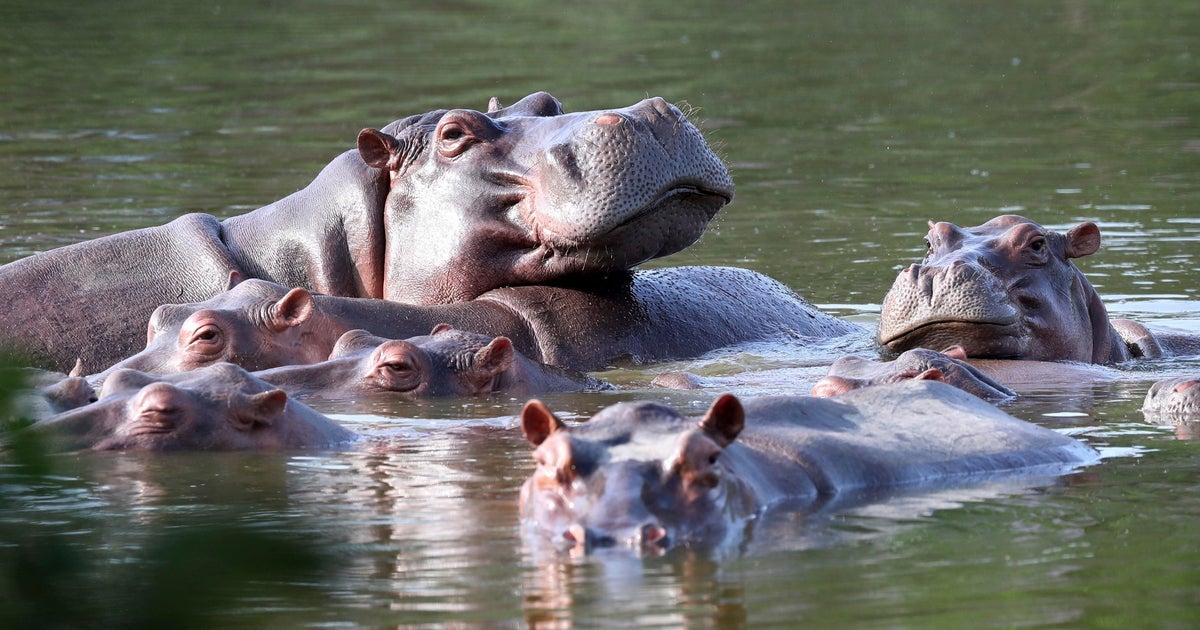
In an unexpected turn of events, Anant Ambani, son of Indian billionaire Mukesh Ambani, has stepped forward with an ambitious proposal to rescue approximately 80 hippos currently living in Colombia. These animals, infamously known as “cocaine hippos,” are descendants of hippos originally brought to the South American country by notorious drug lord Pablo Escobar in the 1980s. Rather than allowing the Colombian government to proceed with plans to cull these animals, Ambani has formally requested permission to relocate them to his Vantara animal center in India. The young heir submitted a comprehensive plan that would provide these massive creatures with a permanent home, addressing what has become an increasingly problematic situation for Colombia’s ecosystem. The hippos, native only to Africa and capable of weighing several tons, have multiplied far beyond their original numbers since Escobar’s death, creating significant environmental challenges along the banks of Colombia’s Magdalena River. Ambani’s intervention represents a potential solution to a problem that has frustrated Colombian authorities for years, though it comes with its own set of complexities and concerns.
The Legacy of Escobar’s Private Zoo and Colombia’s Growing Problem
Pablo Escobar’s fascination with exotic animals led him to create a private zoo at his Hacienda Nápoles estate during the height of his drug empire in the 1980s. Among the various species he imported were hippos from Africa, animals completely foreign to the Colombian landscape. After the drug kingpin’s death, these hippos found themselves without caretakers but discovered that Colombia’s lush river environment suited them remarkably well. The animals adapted, thrived, and began reproducing in the warm waters of the Magdalena River, where they had no natural predators to keep their population in check. What started as a small group has now exploded into a population of 80 animals, and experts warn that without intervention, this number could continue growing exponentially. The hippos have become aggressive toward local fishermen, attacked boats, and fundamentally disrupted the delicate balance of Colombia’s river ecosystems. The Colombian government officially declared them an invasive species, recognizing the serious threat they pose to native wildlife and human safety. The situation has left authorities weighing difficult options, including sterilization programs, relocation efforts, and in some cases, culling the animals to prevent further environmental damage.
Vantara: A Controversial Wildlife Center with Grand Ambitions
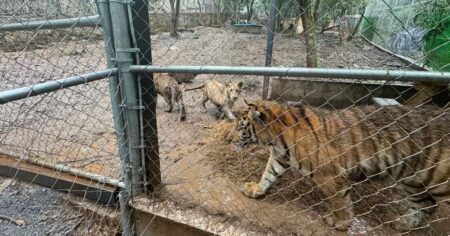
Anant Ambani’s proposed solution centers on relocating the hippos to Vantara, his family’s massive wildlife facility located in Gujarat, in western India. The center markets itself as one of the world’s largest wildlife rescue, care, and conservation facilities, and its scale is certainly impressive. According to India’s Central Zoo Authority, Vantara currently houses an extraordinary collection of animals, including hundreds of elephants, 50 bears, 160 tigers, 200 lions, 250 leopards, and 900 crocodiles, among numerous other species. The facility sits alongside the Reliance Jamnagar Refinery Complex, which the Ambani family’s multinational conglomerate, Reliance Industries, claims is the world’s largest crude oil refinery. However, Vantara has not been without controversy. Wildlife experts have repeatedly raised concerns about the center’s massive intake of animals, particularly its importation of critically endangered and rare species from around the world. The facility faced significant public backlash when it relocated an ailing elephant last year, sparking protests from animal welfare advocates who questioned whether such moves truly serve the animals’ best interests. Despite these criticisms, Ambani insists that Vantara possesses the expertise, infrastructure, and resources necessary to provide the Colombian hippos with appropriate care, promising a veterinary-led capture and transport process along with the creation of specially designed habitats that would accommodate the hippos’ needs.
The Practical and Ethical Challenges of Relocating 80 Hippos
The logistics of relocating 80 hippos from Colombia to India present extraordinary challenges, both practical and financial. Previous estimates suggested that deporting the hippos would cost approximately $3.5 million, a substantial sum that reflects the complexity of safely transporting such large and potentially dangerous animals across continents. Ambani’s proposal includes detailed plans for veterinary-led capture operations and specialized transport arrangements, though the specifics of how this would be accomplished remain to be seen. Beyond the financial considerations, there are significant questions about whether India’s climate would be suitable for African hippos. Gujarat experiences extreme summer temperatures that regularly soar above 100 degrees Fahrenheit, creating conditions quite different from the hippos’ native African habitats or even their adopted Colombian environment. While hippos are adapted to hot climates, the specific conditions in Gujarat, particularly water availability and quality, would be critical factors in the animals’ long-term welfare. Ambani addressed the ethical dimension of the situation directly, stating that “these 80 hippos did not choose where they were born, nor did they create the circumstances they now face.” He emphasized that they are “living, sentient beings” and argued that if a safe and humane solution exists, there is a moral responsibility to pursue it rather than resorting to killing the animals.
Colombia’s Dilemma: Balancing Conservation with Ecosystem Protection
The hippo situation has created a genuine ethical and environmental dilemma for Colombian authorities. The animals have become one of the main attractions at the former Nápoles ranch, which was confiscated from Escobar’s estate and transformed into a theme park featuring swimming pools, water slides, and a zoo with various African species. This tourist appeal has generated local support for the hippos, and animal welfare activists in Colombia have consistently opposed proposals to kill them, arguing that all creatures deserve the right to live. These advocates contend that addressing the problem through violence would set a troubling precedent for a nation still healing from decades of internal armed conflict. Last October, President Gustavo Petro announced that part of Escobar’s former ranch would be given to women affected by Colombia’s long-running violence, further complicating the property’s future and the fate of its unusual inhabitants. However, the environmental costs of allowing the hippos to remain cannot be ignored. Independent journalists and scientists who have studied the situation report that because hippos roam freely without natural predators, they have disrupted local ecosystems in devastating ways. Their massive size means they consume enormous quantities of grassland, and their waste products poison rivers, killing fish and threatening endemic species including manatees, otters, and turtles that have lived in these waters for millennia.
The Broader Questions About Wildlife Management and Human Responsibility
The story of Colombia’s “cocaine hippos” raises profound questions about humanity’s relationship with wildlife and our responsibility when human actions create ecological problems. These animals exist in Colombia solely because of one man’s wealth and hubris—Pablo Escobar’s desire to create a personal zoo without regard for ecological consequences. Now, decades later, society must grapple with the unintended results of that decision. The hippos themselves are innocent; they are simply living and reproducing as their nature dictates. Yet their presence threatens other innocent creatures—the native species that evolved in Colombian rivers over millions of years and now face displacement or extinction. Ambani’s offer to relocate the hippos represents one attempt to thread this moral needle, proposing a solution that would preserve the hippos’ lives while protecting Colombia’s ecosystems. However, it also raises questions about the role of private wealth in wildlife conservation and whether facilities like Vantara truly serve conservation goals or merely allow the wealthy to collect exotic animals on an unprecedented scale. As climate change, habitat loss, and human expansion create increasing conflicts between human needs and wildlife welfare worldwide, the Colombian hippo situation may serve as a test case for how we address such challenges. Whether Ambani’s proposal succeeds or not, it has already sparked important conversations about invasive species management, the ethics of animal relocation, and the responsibilities we bear for the environmental consequences of past actions.