
What It’s Really Like to Be a Marine Biologist: A Deep Dive into Ocean Exploration
The Reality Behind the Dream Career
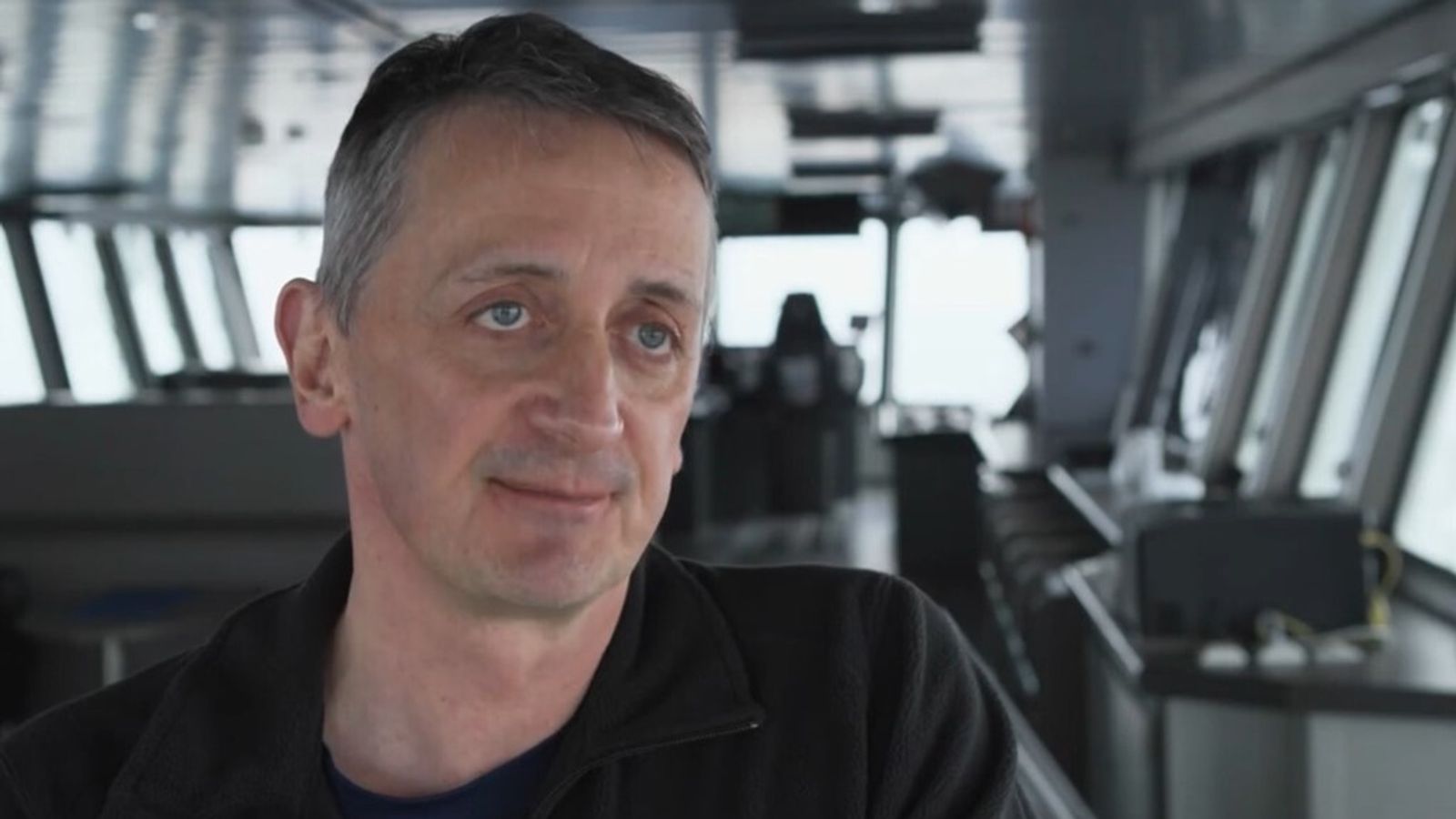
Have you ever found yourself staring out the window during your morning commute, wondering what it would be like to completely change careers and do something extraordinary? If exploring the unknown depths of our oceans sounds appealing, you might want to consider marine biology. Professor Jon Copley, a marine biologist at the School of Ocean and Earth Science at the University of Southampton, offers us a fascinating glimpse into what this career actually entails – beyond the romanticized version we see in documentaries. While the job comes with incredible moments of discovery and wonder, it also involves long hours, extensive planning, significant educational requirements, and witnessing both humanity’s best and worst impacts on our planet. The financial reality is fairly straightforward: starting salaries for marine biologists at UK universities hover around £35,000 after completing a PhD, potentially reaching approximately £75,000 after twenty years in the field. But as Professor Copley emphasizes, this career is less about the paycheck and more about what drives you personally – the passion for understanding and protecting our oceans should define you, not just your job title.
Witnessing Humanity’s Paradox in the Deep Ocean
One of the most profound aspects of Professor Copley’s work has been observing the extremes of human nature during his expeditions. On one hand, he’s witnessed scientists – people who typically disagree about nearly everything in their fields – brought to tears of awe when discovering something completely new in the deep ocean. These moments of shared wonder give him hope that humanity can unite around the astonishing world we inhabit. However, this optimism is tempered by a sobering reality: even in the most remote, unexplored regions of the ocean floor, there’s already litter. The fact that human trash reaches these pristine environments before scientific exploration does speaks volumes about our capacity for harmful selfishness. This stark contrast represents perhaps the central tension in marine biology today – celebrating the incredible capacity humans have for collaborative achievement and scientific discovery while simultaneously confronting the damage we’re inflicting on the very ecosystems being studied. It’s a reminder that we stand at a crossroads, capable of both remarkable stewardship and devastating negligence toward our planet’s last frontiers.
Unforgettable Discoveries in Earth’s Final Frontier
Among Professor Copley’s most memorable experiences was discovering volcanic hot springs on the Antarctic ocean floor, approximately a mile and a half beneath the surface. Imagine volcanically heated water gushing from the seabed, building mineral spires two stories high, covered with a spectacular array of deep-sea creatures. This astonishing colony of life rivals the lushness of tropical coral reefs, yet exists in the dark, frigid Antarctic depths where such abundance was once thought impossible. Picture piles of scarab-like white crabs jostling in warm spring waters, heaving mounds of large brown snails, and meadows of yellow-stalked barnacles waving feathery appendages to catch food drifting by. This expedition revealed more than thirty species that no one had ever seen before – essentially a hidden Garden of Eden at the bottom of the ocean. These discoveries aren’t just scientifically exciting; they have practical applications too. Every deep-sea species has adapted to conditions vastly different from our surface world, and their unique adaptations provide insights for engineering and medicine. For instance, a deep-sea snail species is teaching materials scientists better ways to manufacture solar panels by understanding how the snail forms tiny crystals of metal minerals on its body. Other researchers have developed new therapies for certain types of prostate cancer from molecules found in deep-sea bacteria. The diversity of life in the deep ocean represents what Professor Copley beautifully describes as “a library of ingenuity” – a biological repository of solutions to challenges that might benefit humanity in countless ways.
The Demanding Reality of Deep-Sea Fieldwork
The adventurous aspects of marine biology come with significant logistical challenges. Deep-sea expeditions mean living and working aboard research ships for weeks or even months at a time, and it takes about two years of planning to position a ship in the right location with appropriate equipment and necessary diplomatic clearances if visiting areas under another country’s jurisdiction. Life at sea requires settling into a strict daily routine to endure weeks of grueling twelve-hour shifts. If your shift runs from 4am to 4pm, your alarm goes off at 3:30am. You switch on your bunk light and let the illumination wash over you for a couple of minutes to help wake up, then jump in the shower and get dressed. The commute from cabin to workspace is mercifully short, perhaps with a quick stop at the galley for coffee before the handover from the previous shift. Nothing irritates shipmates more than someone arriving late and delaying colleagues from finishing their twelve-hour shift. After your shift ends at 4pm, you have just four hours of personal time to exercise (either in the ship’s gym or on deck if weather permits), eat a more leisurely meal, socialize with colleagues, catch up on emails or contact family if the satellite connection allows, do laundry, and by 8pm you need to be back in your bunk to rest for the next day. When ashore, the work shifts to teaching – giving lectures to students, taking them on coastal research vessels for fieldwork instruction, and attending university meetings about curriculum or research strategy. Professor Copley also notes the growing burden of administrative bureaucracy in both research and teaching, which often expands without providing clear benefits – his least favorite aspect of the job.
The Environmental Crisis Facing Our Oceans
According to Professor Copley, the biggest threat to our oceans isn’t pollution or overfishing specifically – it’s human selfishness more broadly. If he could force world leaders to do one thing, it would be to recognize that the environmental crisis threatening our society’s resilience is unprecedented in human history, and that systems rooted in our past are unlikely to effectively tackle it. The ocean has absorbed ninety percent of the extra heat trapped in the atmosphere by the additional greenhouse gases humans have released. These warming waters are changing the distribution of marine life worldwide, with some species migrating toward the poles to find temperatures they can tolerate. When species move into new regions, they can disrupt ecosystems already established there, causing cascading changes throughout marine communities. But warming is only one impact from climate change. The ocean is also becoming more acidic from absorbing carbon dioxide, which interferes with marine life that create skeletons or shells from minerals that dissolve under more acidic conditions. One phenomenon Professor Copley wishes more people understood is deoxygenation – a decline in oxygen levels in deep-sea waters. All animals down there need oxygen just as we do, and among the causes of this decline is a weakening of ocean currents that bring oxygen from shallow polar waters (where it dissolves from the atmosphere) into deep ocean basins. This flow takes centuries, meaning the deep ocean will end up with ten percent less oxygen because of changes we’ve already made – the impact just hasn’t fully spread through the ocean depths yet. Every day we delay taking action makes this decline worse. The most useful thing anyone can do is vote for representatives who don’t ignore or deny this reality and who are prepared to take meaningful action.
Breaking Into Marine Biology: The Path Forward
For those inspired to pursue this career, Professor Copley offers realistic guidance. Marine biology in academia is difficult to break into because universities have very few job openings. However, numerous opportunities exist to work as a marine biologist outside academia in conservation organizations, government agencies, environmental consulting firms, and aquariums. You can work as a marine biologist with just a bachelor’s degree, though an additional year earning a master’s degree can provide an advantage. Beyond technical knowledge, what truly sets candidates apart are skills like communication, teamwork, organization, and leadership – so anything that demonstrates and develops these abilities is valuable, even outside formal marine biology studies. For academic research positions, a PhD qualification is required, which typically involves a four-year apprenticeship to become an independent research scientist. This means approximately eight years of total training for that particular role. But Professor Copley’s most important advice transcends career planning: don’t let your job define your identity. Instead, define yourself by what you care about, which you may pursue through your career but also in your wider life outside work. This perspective is especially important in a field where the work can be all-consuming and the environmental challenges can feel overwhelming. The key is maintaining passion for ocean conservation while building a balanced, meaningful life that extends beyond professional accomplishments alone.