


U.S. Marine Charged with Stealing and Selling Military Weapons in Arizona
The Charges Against a Camp Pendleton Marine
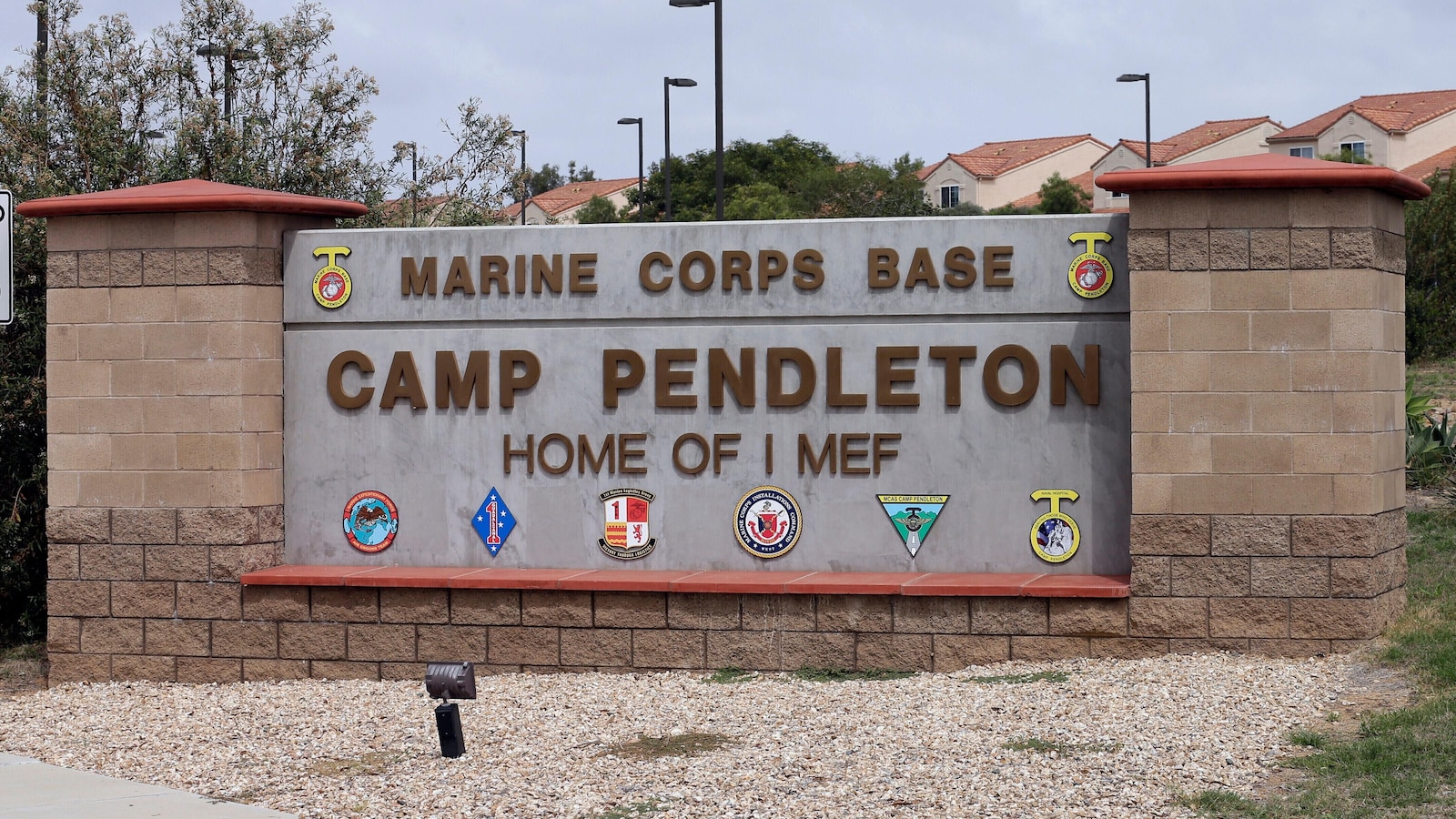
A troubling case has emerged from California’s Camp Pendleton military base, where a U.S. Marine has been accused of orchestrating an extensive weapons theft and illegal sales operation. Corporal Andrew Paul Amarillas, who served as an ammunition specialist at the prestigious military installation, now faces serious federal charges for allegedly stealing sophisticated military equipment, including a shoulder-fired Javelin missile system, and conspiring to sell these dangerous weapons in Arizona. Last Thursday, Amarillas appeared before a federal judge in Phoenix, where he entered a plea of not guilty to multiple charges, including conspiracy to commit theft and embezzlement of government property, as well as possession and sale of stolen ammunition. The severity of the allegations led the judge to order that Amarillas be held in custody while awaiting trial, signaling the court’s concern about the nature of the charges and potential risks involved.
Details of the Alleged Theft Operation
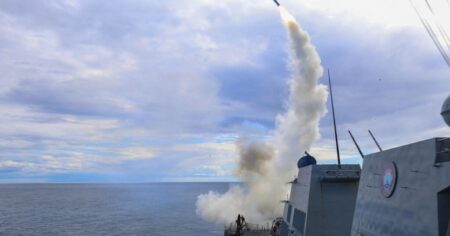
According to federal prosecutors and court documents, Amarillas allegedly exploited his trusted position as a technical specialist at the School of Infantry West to systematically steal military equipment over an extended period. The alleged theft spree reportedly spanned from February 2022 to November 2025, during which time prosecutors claim he stole at least one Javelin missile system—a sophisticated anti-tank weapon that typically costs hundreds of thousands of dollars—along with thousands of rounds of military-grade ammunition and various other weapons-related materials. The Javelin missile system is particularly concerning given its lethal capabilities and potential for catastrophic damage if it fell into the wrong hands. Prosecutors allege that Amarillas didn’t just steal these items for personal possession but rather operated a conspiracy to transport the stolen military equipment to his home state of Arizona, where he would sell them to unnamed co-conspirators who would then resell the dangerous equipment to others, creating a dangerous black market supply chain for military-grade weapons.
Evidence and Investigation Details
The criminal complaint against Amarillas reveals a trail of evidence that federal investigators have compiled, including particularly damning text message conversations and photographic evidence. One telling detail emerged from the investigation when authorities discovered that a co-conspirator had saved Amarillas’ phone number under the nickname “Andrew Ammo” in their cellphone contacts—a moniker that seems to reference both his first name and his specialty in ammunition handling. Court documents include excerpts from text message conversations that allegedly show Amarillas directly negotiating sales of stolen military equipment. In one August text message cited in the complaint, Amarillas allegedly wrote to a co-conspirator: “(I) have 2 launchers that (I) think you’d like, if you want to take a look tomorrow.” These text communications reportedly included photographs of the stolen items, including one particularly incriminating image of a portable Javelin missile system. Investigators were able to match the serial number visible in that photograph to a Javelin system that Amarillas had officially signed out from the military base near San Diego, providing a direct link between the accused Marine and the stolen equipment.
Recovery Efforts and Ongoing Concerns
While federal authorities have made progress in recovering some of the stolen military property, prosecutors have acknowledged that the operation remains incomplete, stating that “some but not all of the stolen weapons and ammo has been recovered.” This admission raises serious concerns about where the remaining weapons might be and who might currently possess them. The fact that military-grade weapons and ammunition remain unaccounted for presents potential public safety risks, as these items could potentially be used in criminal activities or even terrorist operations. According to prosecutors, some of the stolen ammunition was purchased from the co-conspirators by undercover officers during the investigation, suggesting that law enforcement had been building their case for some time before making arrests. The criminal complaint filed in U.S. District Court for Arizona clearly stated the alleged conspiracy’s purpose: “The objects of the conspiracy were to steal property and ammunition from the U.S. military and sell stolen U.S. military property and ammunition to others to earn money.” This language suggests that prosecutors believe Amarillas and his alleged accomplices were primarily motivated by financial gain rather than ideology or other factors.
A Pattern of Military Base Security Concerns
Unfortunately, this case is not an isolated incident of military weapons going missing from Southern California bases. In 2021, explosives disappeared from the Marine Corps Air Ground Combat Center in Twentynine Palms, located in the Southern California desert. The Naval Criminal Investigative Service (NCIS) acknowledged at the time that it was investigating the disappearance of these explosives but declined to provide specific details about what was missing or the circumstances surrounding the disappearance. While it’s unclear whether that earlier incident has any connection to the current charges against Amarillas, the pattern suggests potential vulnerabilities in security protocols at military installations in the region. These incidents raise important questions about how military bases track and secure their weapons inventories, who has access to ammunition and weapons storage facilities, and what safeguards are in place to detect theft before stolen items can leave the base and enter illegal markets. The fact that Amarillas allegedly operated his theft operation for several years before being caught suggests that existing security measures may have significant gaps that need to be addressed.
Implications and Moving Forward
As Amarillas awaits trial, with both his attorney and officials at Camp Pendleton yet to publicly comment on the allegations, this case highlights the serious threat posed by insider threats within military installations. When someone in a position of trust and responsibility—such as an ammunition specialist—allegedly abuses that position for personal profit, it undermines the entire military supply chain security system and potentially puts public safety at risk. The charges Amarillas faces carry significant penalties if he is convicted, reflecting the serious nature of stealing military equipment and the potential harm such actions could cause. This case will likely prompt military leadership to review security protocols, access controls, and inventory tracking systems at Camp Pendleton and potentially at other installations across the country. Moving forward, the military may need to implement additional checks and balances, including more frequent audits, stricter accountability measures for those who sign out weapons and ammunition, and enhanced screening for personnel in sensitive positions. As the legal proceedings continue, the recovery of the remaining stolen weapons and ammunition remains a priority for federal authorities, who must work to ensure that these dangerous military-grade items don’t remain in circulation on the black market where they could pose ongoing threats to public safety.