
Market Turbulence Expected as Geopolitical Tensions Shake Investor Confidence
Opening Predictions Signal Tough Start for UK Markets
The London Stock Exchange appears headed for a challenging start to the week, with early indicators pointing toward significant losses when trading begins. According to futures data from IG, one of the major international brokerages, the FTSE 100 index is expected to drop by more than 0.9% at the opening bell. This projected decline comes on the heels of a record-breaking close on Friday, when the index reached an all-time high of 10,910 points. The stark contrast between Friday’s celebratory peak and Monday’s anticipated tumble highlights how quickly market sentiment can shift in response to global events. It’s worth noting that these predictions, which were made late Sunday evening, typically fluctuate as more information becomes available and as European markets prepare to open for business. The financial community will be watching closely to see whether these early warnings materialize into actual losses or if cooler heads prevail as the trading day unfolds.
Winners and Losers in a Volatile Market Environment
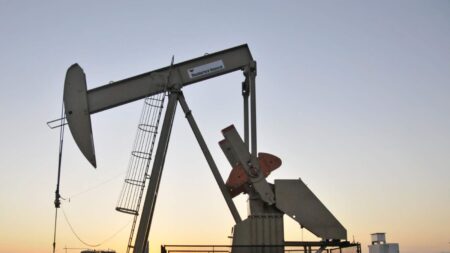
While many sectors brace for potential losses, not all areas of the market are expected to suffer equally. In fact, some industries may actually benefit from the current climate of uncertainty and rising tensions. Energy companies, for instance, are likely to see gains as wholesale oil and gas prices climb in response to Middle Eastern instability. When geopolitical conflicts threaten supply chains or production facilities in oil-rich regions, energy prices typically surge, translating into improved prospects for companies operating in this sector. Similarly, precious metal mining companies could experience a boost as nervous investors seek refuge in traditional safe-haven assets. Gold, in particular, has already shown strength, building on gains made during Friday’s trading session. That earlier increase came as investors moved money into gold in sympathy with rising oil prices, a pattern that often emerges when global stability seems threatened. The precious metal’s appeal during uncertain times stems from its historical role as a store of value that maintains purchasing power even when paper currencies and traditional investments falter.
Travel Industry Faces Potential Downturn
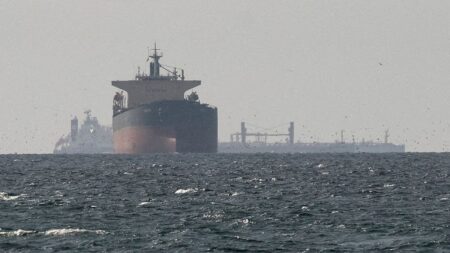
On the opposite end of the spectrum, the travel and hospitality sectors appear particularly vulnerable to the unfolding situation. Kathleen Brookes, who serves as research director at XTB, a prominent financial services firm, offered a sobering assessment of what companies in these industries might face. She specifically highlighted airlines and hotel groups as being at significant risk of sharp sell-offs when markets open this week. The reasoning behind this prediction is straightforward but troubling for these businesses: flights have been grounded and airspace has been closed across parts of the Middle East in response to the escalating tensions. When planes can’t fly and hotels sit empty, revenue streams dry up quickly, and investors understandably become nervous about holding shares in affected companies. The timing couldn’t be worse for the travel industry, as the Easter holiday period typically represents one of the most lucrative times of the year. This is when families traditionally plan vacations, book flights, and fill hotel rooms across popular destinations. However, reports have emerged suggesting that Iran launched drone attacks targeting UK military bases in Cyprus, a development that could trigger a wave of holiday cancellations. Travelers who might have been planning Mediterranean getaways or Middle Eastern adventures are likely reconsidering their options, choosing safety over adventure during these uncertain times.
Currency Markets Reflect Flight to Safety
The ripple effects of Middle Eastern tensions extended well beyond stock markets, making themselves felt strongly in currency trading throughout Asian markets during early Monday dealing. The U.S. dollar, often considered a safe haven during times of international crisis, strengthened noticeably against other major currencies. The British pound took a particularly hard hit, losing more than half a cent in value against the dollar to trade just above the $1.34 mark. This represents sterling’s weakest position since late January, erasing weeks of gains in a matter of hours. The pound’s decline reflects broader concerns about how geopolitical instability might affect the UK economy, particularly given Britain’s historical ties to the Middle East and its exposure through military presence and commercial interests. Meanwhile, other traditional safe-haven currencies also benefited from the anxious mood pervading global markets. The Japanese yen and Swiss franc both attracted investor interest, with traders moving money into these currencies as a protective measure against potential further deterioration in the international situation. These currency movements serve as a barometer of global investor sentiment, revealing just how seriously financial markets are taking the latest developments.
Gold Prices Surge as Classic Safe Haven Attracts Investors
Perhaps no asset class better illustrates the “flight to quality” phenomenon than gold, which experienced dramatic price movements in early trading. The precious metal, which has served as humanity’s go-to store of value for thousands of years, saw its price spike by almost 2% in initial trading, pushing above the psychologically significant level of $5,360 per troy ounce. This represents an extraordinary price point, reflecting the intense demand from investors seeking protection from uncertainty. While gold prices later moderated slightly, settling around $5,348 per ounce, the metal remained well above previous levels, confirming that investors view the current situation as genuinely threatening to their portfolios. The behavior of gold prices during times of crisis follows a well-established pattern: when stock markets look risky, when currencies seem unstable, and when geopolitical clouds gather on the horizon, investors turn to gold’s enduring value. Unlike paper currencies that can be printed at will by governments, or stocks whose value depends on corporate performance and economic conditions, gold maintains its intrinsic worth regardless of political upheavals or economic downturns. This latest surge in gold prices suggests that seasoned investors and institutions are taking a defensive posture, prioritizing capital preservation over growth in the current environment.
Looking Ahead: Uncertainty Remains the Only Certainty
As European and later American markets prepare to open, traders and investors find themselves navigating an unusually uncertain landscape. The contrast between Friday’s record-breaking optimism and Monday’s predicted gloom serves as a reminder of how quickly financial markets can pivot in response to real-world events. The coming days will likely bring continued volatility as markets digest developments from the Middle East and attempt to price in various scenarios ranging from quick de-escalation to prolonged conflict. Sectors directly exposed to the region or dependent on international travel and stable energy prices will remain under pressure, while defensive plays like precious metals, utility stocks, and consumer staples might attract investor interest. Currency markets will continue reflecting the global mood, with safe-haven currencies likely maintaining their strength as long as uncertainty persists. For individual investors, the current environment underscores the importance of diversification and the wisdom of maintaining a long-term perspective even as short-term headlines create anxiety. While market predictions made on Sunday evening provide a starting point for understanding Monday’s likely direction, the reality is that markets are dynamic, responding continuously to new information, official statements, and the collective judgment of millions of participants worldwide. The only certainty in the current environment is that conditions remain fluid, and adaptability will be key for successfully navigating whatever comes next.