
Oil Prices Surge as Middle East Conflict Disrupts Global Energy Markets
The Immediate Impact at the Pump
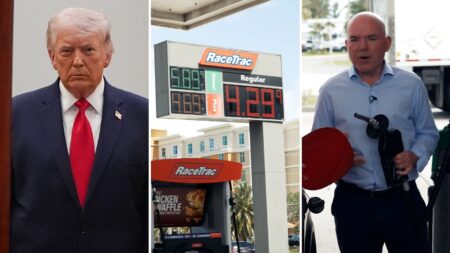
If you’ve driven past a petrol station recently, you’ve probably noticed something alarming: fuel prices are climbing at an eye-watering pace. What we’re seeing isn’t just a minor fluctuation—it’s a significant surge that’s hitting consumers hard, particularly when it comes to diesel fuel, which the UK largely imports from overseas. For the past week, drivers have watched in dismay as the numbers on station price boards seem to change almost daily, creeping ever higher. Unfortunately, if you were hoping this was a temporary blip that would soon correct itself, the reality is far less comforting. Industry experts and market analysts are warning that we haven’t seen the peak yet, and further increases are all but certain in the coming days and weeks. This isn’t just an inconvenience for the average motorist filling up their tank—it’s a development that will ripple through the entire economy, affecting everything from the cost of goods in supermarkets to the price of public transportation.
The Crude Reality: Oil Markets in Crisis
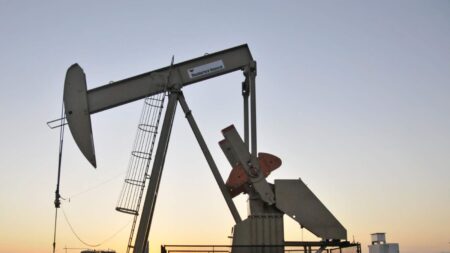
The dramatic spike in fuel prices didn’t happen in a vacuum. Overnight, as Asian markets were trading, Brent crude oil—the international benchmark that serves as a reference price for purchases around the world—experienced an absolutely staggering jump of nearly 25%. To put that in perspective, the price briefly soared past the psychologically significant $100-per-barrel mark, touching $118 before settling slightly lower. This represents the largest single-day increase we’ve seen in six years, a jump so dramatic that it’s sent shockwaves through financial markets worldwide. The cause of this unprecedented surge is the escalating military conflict between the United States and Israel on one side and Iran on the other, which has resulted in the shutdown of energy production facilities across the Middle East. When major oil-producing infrastructure goes offline in a region that supplies such a significant portion of the world’s energy needs, the global market reacts immediately and dramatically. Energy traders, concerned about supply shortages and geopolitical instability, have been frantically buying up oil futures, driving prices to levels not seen in years.
The Strait of Hormuz Chokepoint
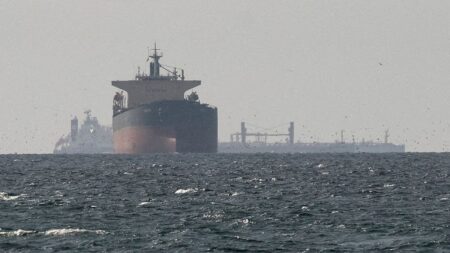
Adding fuel to the fire—quite literally—is the situation unfolding at the Strait of Hormuz, one of the world’s most critical energy transit routes. This narrow waterway, situated between the Persian Gulf and the Gulf of Oman, typically handles about one-fifth of all global oil and gas shipments. It’s difficult to overstate just how important this shipping lane is to the world economy; billions of dollars worth of energy resources pass through it every single day under normal circumstances. However, circumstances are far from normal right now. What amounts to an Iranian blockade has effectively halted all petroleum product shipments through the Strait. Not a single tanker is currently making the journey that usually sees a steady stream of vessels carrying crude oil and refined products to markets around the world. This blockade represents a stranglehold on global energy supplies that will have consequences far beyond just higher prices at the pump. Countries that depend heavily on Middle Eastern energy imports are now scrambling to secure alternative supplies, further tightening an already constrained market and pushing prices even higher.
Natural Gas Follows Oil’s Upward Trajectory
The energy crisis isn’t limited to oil alone. There’s a well-established pattern in energy markets: when oil prices rise sharply, natural gas prices typically follow suit. Given the magnitude of the oil price spike we’ve just witnessed, energy analysts are bracing for a significant jump in natural gas costs when European markets open for trading. For households and businesses across Europe that are still recovering from previous energy price shocks, this represents potentially devastating news. Natural gas is essential for heating homes, generating electricity, and powering industrial processes. When its price increases dramatically, the effects cascade through the economy. Families already struggling with the cost of living will face even higher heating bills, while businesses dependent on gas for their operations will see their costs soar, potentially forcing them to raise prices for their goods and services or, in the worst cases, to cut jobs or close entirely. The situation is particularly concerning given that gas prices were already elevated before this latest crisis, meaning we’re now seeing increases on top of already high baseline costs.
Stock Market Turmoil and Economic Uncertainty
The energy crisis is sending tremors through financial markets well beyond the commodity trading floors. Last week, the FTSE 100—the index tracking the 100 largest companies listed on the London Stock Exchange—suffered its worst performance since Donald Trump’s controversial “liberation day” tariff announcements back in April of the previous year. That was a period of significant market turbulence, and the fact that we’re now seeing similar levels of distress speaks to just how concerned investors are about the current situation. According to IG, a major trading platform that provides real-time market analysis, the FTSE 100 was expected to open down by 0.7% this morning, continuing the downward trend. What’s particularly unnerving for investors isn’t just the immediate losses, but the extremely high levels of volatility—the wild swings in market values that make it nearly impossible to predict what will happen from one day to the next. This volatility stems from deep uncertainty about the fundamental question that will determine how this crisis unfolds: how long will this war last?
The Critical Question: Duration and Long-Term Impact
The duration of the conflict is the trillion-dollar question on everyone’s mind, from government policymakers to business executives to ordinary families trying to plan their household budgets. If the military confrontation resolves quickly—perhaps through diplomatic intervention or a swift military conclusion—then energy supplies could resume flowing through normal channels relatively soon, allowing prices to stabilize and potentially retreat from their current elevated levels. Markets could recover, supply chains could readjust, and the economic damage could be contained to a relatively short, if painful, period. However, if the conflict becomes protracted—dragging on for months or even longer—the consequences could be far more severe and long-lasting. Extended disruption to Middle Eastern energy supplies would force a fundamental restructuring of global energy flows, with countries competing intensely for limited supplies from alternative sources. This scenario could lead to sustained high energy prices that would drive inflation higher, squeeze household incomes, push economies into recession, and potentially trigger financial crises in countries particularly vulnerable to energy price shocks. The uncertainty itself is damaging because businesses and investors cannot make informed decisions when they don’t know what the landscape will look like in three months, six months, or a year. This paralysis in decision-making can slow economic activity even before the direct effects of higher energy prices fully materialize. As we move forward, the world will be watching developments in the Middle East with intense attention, knowing that what happens in that region will determine the economic wellbeing of millions of people thousands of miles away.