



The Mysterious Disappearance of Nancy Guthrie: New Evidence Reveals Suspect May Have Surveilled Home Before Abduction
Initial Surveillance: The First Visit
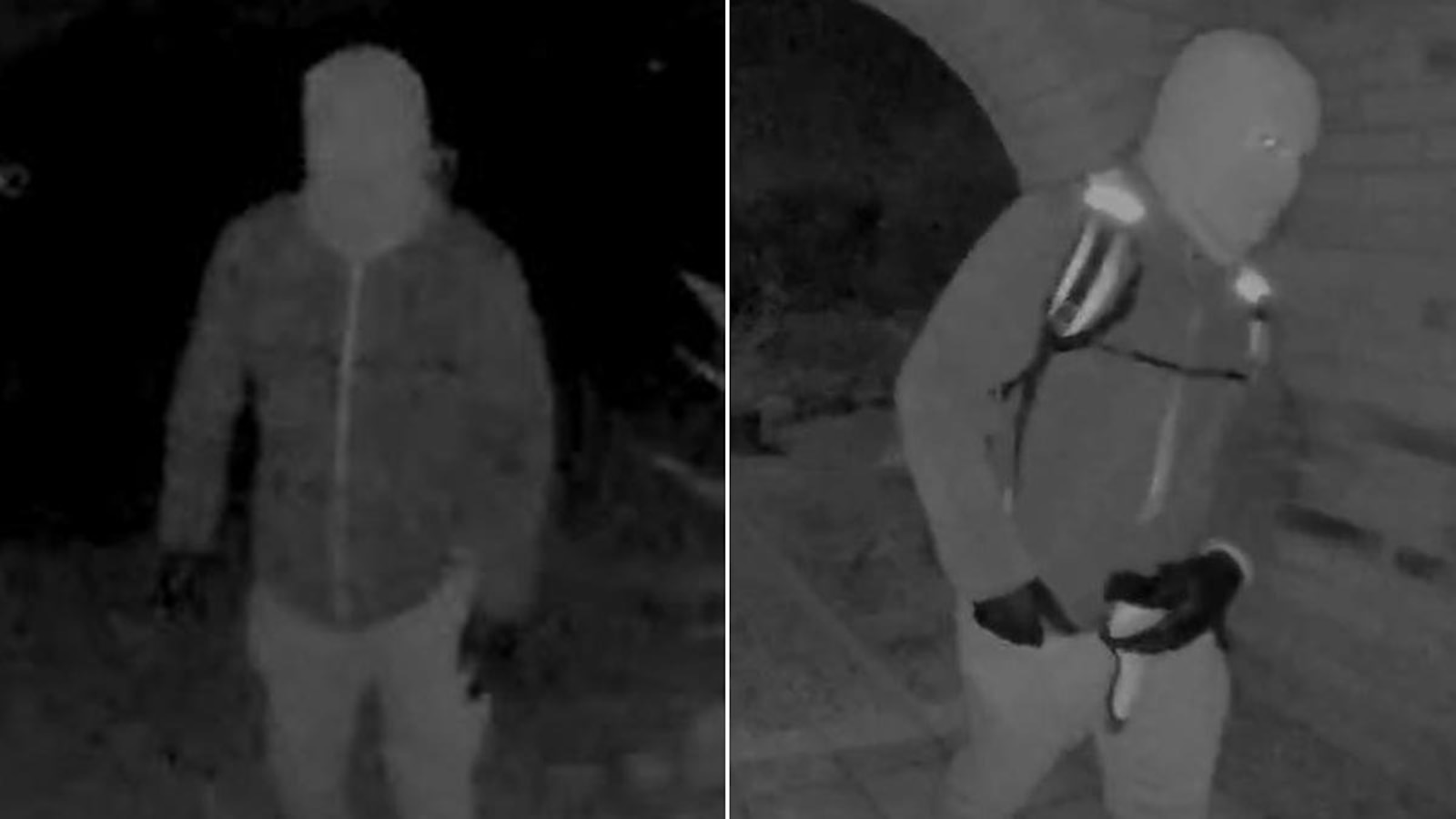
The investigation into the disappearance of Nancy Guthrie has taken a significant turn as new information suggests the masked suspect may have visited her home multiple times before her suspected abduction. According to sources close to the investigation who spoke with ABC News, the chilling reality is that this wasn’t a random, impulsive crime. The image that the FBI initially released showing a masked individual at Nancy Guthrie’s front door—notably without a backpack—was actually captured on a date prior to February 1st, the night authorities believe she was taken from her Tucson, Arizona home. This crucial detail was recorded by Guthrie’s Nest doorbell camera, a piece of technology that has become central to understanding what happened during those frightening days. The revelation that the suspect had been to her home before suggests a level of premeditation that makes this case even more disturbing. It paints a picture of someone who was carefully planning their actions rather than acting on impulse, which could have significant implications for how investigators approach the search and what they might be dealing with in terms of the perpetrator’s psychological profile.
The Morning of the Disappearance: A Planned Attack
Sunday morning, February 1st, 2026, began like any other day should have for Nancy Guthrie, but it would mark the beginning of a nightmare for her family and friends. That morning, she was expected to participate in watching a virtual church service, a routine she had established and one that her loved ones knew she wouldn’t miss without explanation. When she failed to appear for this virtual gathering, alarm bells immediately started ringing among those who knew her well. The FBI has released images from that morning showing what they describe as an armed individual at her front door, and these images tell a disturbing story of deliberate interference. The security camera footage from February 1st shows the suspect, this time carrying a backpack, actively tampering with the camera system at Guthrie’s front entrance. The individual can be seen manipulating the device and strategically placing branches in front of the camera lens in an apparent attempt to obscure the view and hide whatever actions were about to take place. This wasn’t the fumbling of a nervous first-time offender; this was calculated behavior designed to evade detection and create a window of opportunity to commit a crime without being recorded.
Understanding the Pattern: Why Two Visits Matter
Investigators working on the case have developed a working theory that helps explain why there appear to be two separate visits by the same masked individual to Nancy Guthrie’s home. According to sources familiar with the investigation’s progress, authorities believe the suspect initially approached the door during that first visit, likely with harmful intentions already in mind. However, upon arriving at the front entrance, the individual noticed the Nest doorbell camera—a detail that apparently spooked them enough to abort whatever plan they had at that moment. Rather than proceeding, the suspect retreated, perhaps to reconsider their approach and develop a strategy to deal with the surveillance equipment that stood as a silent guardian at Guthrie’s door. When the suspect returned, likely on the morning of February 1st, they came prepared with a plan to neutralize the camera’s effectiveness. This is when we see the deliberate tampering and the placement of branches to obscure the lens. This pattern of behavior—reconnaissance followed by a planned return—is exactly the kind of detail that transforms a case from what might have been considered a crime of opportunity into something far more sinister: a premeditated abduction. Both the FBI and the Pima County Sheriff’s Department have declined to comment on these specific theories, maintaining the tight information control typical of active investigations, but the implications are clear to those studying the case.
Expanding the Timeline: A Month-Long Investigation Window
The discovery that the suspect had visited Nancy Guthrie’s home prior to February 1st has had immediate practical implications for how investigators are conducting their search for evidence and witnesses. This revelation helps explain a request that initially seemed unusually broad: why investigators have been asking neighbors and nearby residents to review their home security systems, doorbell cameras, and any other recording devices for suspicious people and vehicles dating all the way back to January 1st. That’s a full month before the suspected abduction took place, and it represents a significant expansion of the timeline investigators are examining. By casting this wider net, authorities are hoping to piece together a comprehensive picture of the suspect’s movements and activities in the neighborhood during the weeks leading up to Guthrie’s disappearance. Perhaps the suspect drove by the house multiple times, parked nearby to observe the residence, or walked past on several occasions. Any of these activities might have been captured by the growing network of residential security cameras that have become commonplace in neighborhoods across America. Each additional piece of footage could provide crucial details—a vehicle make and model, a distinctive article of clothing, a particular walking gait, or even a partial view of the suspect’s face that could lead to identification. For a case that has largely been defined by the haunting images of a masked figure, any new visual evidence could prove to be the breakthrough investigators desperately need.
The National Spotlight: A Famous Daughter’s Worst Nightmare
What has amplified public interest in this case beyond the typical coverage of a missing person is the connection to someone millions of Americans invite into their homes each morning. Nancy Guthrie is the mother of Savannah Guthrie, the well-known co-host of NBC’s “Today” show, one of the most-watched morning television programs in the United States. This family connection has transformed what might have been a regional news story into a case that has captured national attention for much of the past month. Images of Savannah and Nancy together, including a photograph from June 2023 showing them smiling side by side in New York, have circulated widely in media coverage, humanizing the victim and reminding the public that behind every missing person case is a family experiencing unimaginable anguish. For Savannah Guthrie, who has built her career asking difficult questions and reporting on stories affecting others, finding herself at the center of every parent’s and every child’s worst nightmare adds a particularly cruel dimension to this tragedy. The case serves as a stark reminder that crime doesn’t discriminate, that even those with resources and public platforms are not immune to the random violence that can shatter lives in an instant. The national attention, while difficult for the family, may also prove beneficial to the investigation by ensuring maximum public awareness and potentially generating tips from people across the country who might recognize something about the suspect or the circumstances.
Expert Analysis: What the Evidence Tells Us About the Suspect
As the investigation continues without a publicly identified suspect, experts in criminal behavior and investigation techniques have been analyzing the available evidence to understand what kind of person authorities might be searching for. Jason Pack, a former FBI agent who has experience with abduction cases, provided insight to ABC News that helps frame the significance of the suspect’s apparent surveillance visit prior to the actual abduction. “It could indicate that the person was there surveilling the place before the abduction happened,” Pack explained, noting that this detail is far from trivial. He emphasized that “the fact that there was preparation and planning makes it more of a sophisticated type of criminal activity than someone just showing up.” This distinction matters tremendously in an investigation because it affects everything from the profile of the suspect to the resources and approaches needed to locate and apprehend them. A sophisticated, planning-oriented offender is likely to have taken additional precautions to avoid detection, may have prepared a location to take the victim, and probably has a specific motive beyond impulsive violence. These remain the most important pieces of evidence in an investigation that has so far yielded no official identification of a suspect, leaving a community frightened, a family devastated, and a nation watching and hoping for Nancy Guthrie’s safe return. As each day passes, the urgency only intensifies, with investigators working against the clock to analyze every frame of security footage, follow up on every tip, and pursue every possible lead that might bring answers to a case that has raised far more questions than it has answered.