
Markets in Turmoil: Iran’s Gulf Aggression Sends Oil Prices Soaring
A Perfect Storm in the Persian Gulf
Global financial markets faced a challenging Thursday as investors grappled with escalating tensions in the Middle East that threatened to push oil prices past the psychologically important $100-per-barrel threshold. The crisis unfolded as Iran intensified its attacks on American allies in the Gulf region and targeted crucial shipping vessels navigating the Persian Gulf’s strategic waters. Despite extraordinary efforts by international energy authorities to calm fears through historic oil reserve releases, the uncertainty surrounding the conflict kept traders on edge and markets volatile. Wall Street analyst Adam Crisafulli from Vital Knowledge captured the moment succinctly when he observed that Iran’s deliberate campaign to create economic disruption in the Gulf region was achieving its intended effect, with shipping attacks and the closure of the Strait of Hormuz pushing benchmark Brent crude prices dangerously close to the $100 mark.
Historic International Response Falls Short of Calming Fears
In an unprecedented move to stabilize global energy markets, the International Energy Agency announced what would become the largest emergency oil release in its institutional history. The IEA, representing a coalition of 32 member nations, committed to releasing a staggering 400 million barrels from strategic reserves to bolster worldwide supply during this critical period. The organization didn’t mince words in its Thursday statement, declaring that “the war in the Middle East is creating the largest supply disruption in the history of the global oil market.” This acknowledgment underscored the severity of the situation and the potential for far-reaching economic consequences. President Trump quickly followed the international community’s lead by announcing that the United States would contribute significantly to this effort, committing to release 172 million barrels from America’s Strategic Petroleum Reserve. This massive coordinated intervention represented an all-hands-on-deck approach by energy-consuming nations to prevent a supply crisis that could cripple the global economy.
Oil Markets Defy Intervention Efforts
Despite the magnitude of the international response, petroleum markets demonstrated remarkable resistance to the coordinated release of strategic reserves. By mid-morning Eastern Time on Thursday, around 8:30 a.m., Brent crude—the international oil pricing benchmark used worldwide—had surged by 7.2% to reach $98.63 per barrel, flirting dangerously with the $100 threshold that hadn’t been seen in recent years. Meanwhile, West Texas Intermediate, the benchmark specifically used for pricing American oil, jumped similarly by 7.1% to $93.45 per barrel according to data from FactSet. These dramatic price increases occurred even as hundreds of millions of barrels were being released into the market, a clear signal that traders and investors believed the supply additions would be insufficient to offset the disruption caused by Iran’s ongoing military activities. The early Thursday trading saw Brent crude actually breach the $100 mark temporarily, highlighting the depth of market anxiety about the situation’s trajectory and the potential for prolonged disruption to global energy supplies.
Broader Market Tremors Reflect Deep Uncertainty
The turbulence in energy markets rippled outward, affecting broader financial indices and signaling a general retreat from risk among investors. Stock futures painted a grim picture for the trading day ahead, with S&P 500 futures declining 0.7% before markets officially opened for business. The Dow Jones Industrial Average futures fared even worse, dropping 0.9% as investors contemplated the implications of sustained conflict in one of the world’s most economically vital regions. This market behavior revealed that traders were essentially looking past the massive oil reserve releases announced by the IEA and the United States, focusing instead on the fundamental problem: with no clear resolution to the Middle Eastern conflict on the horizon, the supply disruptions could continue indefinitely. The jittery investor sentiment reflected widespread recognition that temporary measures, however large in scale, couldn’t substitute for the restoration of normal shipping operations through the Persian Gulf’s critical waterways.
The Hormuz Chokepoint: Where Global Commerce Faces Its Greatest Test
Energy market analysts emphasized that volatility would remain the defining characteristic of oil trading until meaningful progress could be achieved on the conflict’s most crucial aspect: ensuring that commercial vessels could safely transit the Strait of Hormuz. This narrow waterway represents one of the world’s most strategically important maritime passages, serving as the essential connection between the Persian Gulf’s oil-producing nations and global markets hungry for energy. Roughly one-fifth of the world’s petroleum passes through this confined channel, making it an irreplaceable component of the international energy supply chain. Iran’s ability to threaten shipping in this area gives it enormous leverage over global economic conditions, as any sustained closure or even dangerous conditions that deter tanker traffic can quickly create supply shortages worldwide. The current situation highlighted the vulnerability of the global economy to disruptions at key geographic bottlenecks, where military action or threats can have consequences far beyond the immediate conflict zone.
Pain at the Pump: How Consumers Feel the Impact
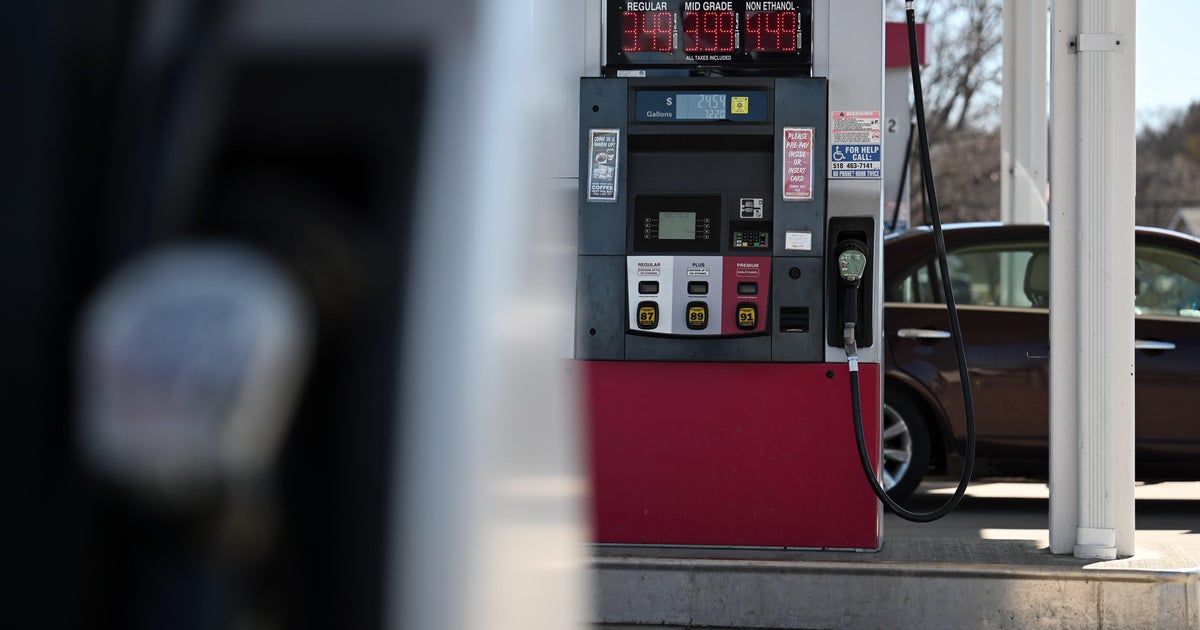
While traders and investors watched screens filled with charts and futures contracts, ordinary Americans felt the Middle East crisis’s impact in a much more immediate and personal way: at the gas pump. Fuel prices across the United States swung higher on Thursday, with the national average reaching $3.60 per gallon according to AAA’s tracking data. This increase directly reflected the turmoil in international oil markets, as industry experts note that crude oil costs typically account for approximately 50% of the retail price consumers pay when filling their tanks, with taxes, refining costs, distribution expenses, and seasonal factors making up the remainder. For households already dealing with various economic pressures, rising fuel costs represented another budget challenge, affecting not just the cost of commuting but also the prices of goods throughout the economy, since transportation costs factor into virtually every product’s final price. This transmission mechanism—from geopolitical conflict through commodity markets to everyday consumer expenses—illustrated how interconnected the modern global economy has become, and how events in distant regions can quickly affect family budgets thousands of miles away. As the situation in the Middle East remained unresolved, Americans could expect continued uncertainty at gas stations, with prices likely to remain elevated until normal shipping operations resume through the Persian Gulf and Iran’s attacks on energy infrastructure cease.