

Major UK Banking Group Announces Widespread Branch Closures Across Britain
Sweeping Changes to High Street Banking
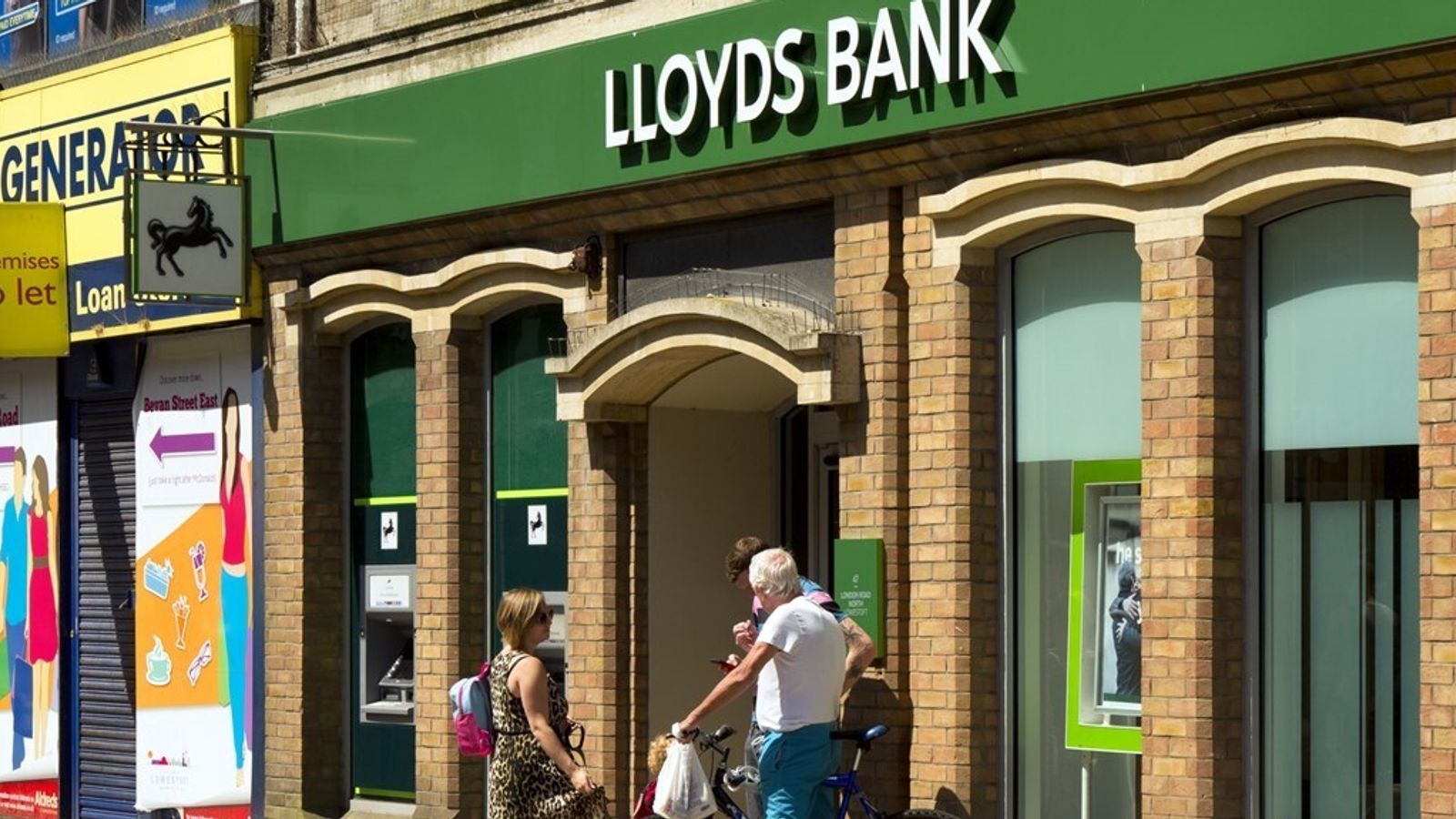
Lloyds Banking Group, the United Kingdom’s largest banking organization, has revealed plans to close nearly 100 more branches across the country in a move that reflects the dramatic shift in how people manage their money. Between May of this year and March 2027, a total of 95 branches will shut their doors permanently – 53 Lloyds Bank locations, 31 Halifax branches, and 11 Bank of Scotland sites. This announcement comes on top of another 49 closures already scheduled to happen by October this year, and follows 136 branch closures that were announced roughly a year ago. When all of these closures are complete, Lloyds will be left with 610 branches across the UK, a significant reduction from its previous footprint. The closures will affect communities from major cities to smaller market towns, spanning from Scotland to the south coast of England, leaving many customers wondering about their access to in-person banking services.
The Digital Revolution Driving Bank Closures
The primary reason behind this wave of closures is straightforward: customers are increasingly choosing to manage their finances online rather than visiting physical branches. Lloyds Banking Group reports that more than 21 million customers now use their mobile apps as their main way to bank, a staggering number that demonstrates how dramatically banking habits have changed in recent years. The rise of smartphones, improved internet access, and increasingly sophisticated banking apps have made it possible for customers to do virtually everything they once needed to visit a branch for – from checking balances and transferring money to paying bills and even applying for loans or mortgages. This shift has been accelerating for years, but the COVID-19 pandemic significantly sped up the trend as people were forced to find alternatives to in-person banking during lockdowns. Many customers who might have been reluctant to try digital banking discovered that it was actually more convenient than they expected, and they’ve continued using these services even after restrictions lifted. For the banking group, maintaining physical branches has become increasingly expensive relative to how many people actually use them, leading to the difficult decision to close locations where foot traffic has declined significantly.
Geographic Spread of Affected Branches
The closures will be felt across the length and breadth of Britain, affecting urban centers, suburban areas, and rural communities alike. Among the Lloyds Bank branches set to close are multiple locations in major cities like Birmingham (with five branches closing), London (with six locations shutting down), and Hull (with two branches affected). Regional towns and smaller communities will also lose their local branches, including places like Aberdare in Wales, Altrincham in Greater Manchester, Crowborough in East Sussex, and Honiton in Devon. Halifax closures span from Ashington in Northumberland to Torquay in Devon, including significant locations in Leeds, Liverpool, Manchester, Nottingham, and various London neighborhoods like Hammersmith and Croydon. The Bank of Scotland closures are concentrated in Scotland, as would be expected, affecting communities from Aberdeen to remote locations like Balivanich in the Outer Hebrides and Lochgilphead in Argyll and Bute. The closure of branches in smaller towns and rural areas is particularly concerning for some customers, especially elderly residents who may be less comfortable with digital banking or people who have limited internet access in their areas.
Impact on Employees and Their Future
While the banking group hasn’t disclosed exactly how many staff members will be affected by these closures, they have committed to offering everyone who works at the affected branches either a position at another branch location or a role elsewhere within the wider business. This approach is designed to minimize job losses, though it will inevitably mean significant changes for the employees involved. Some may face longer commutes to different branch locations, while others might need to transition into completely different roles, perhaps in customer service call centers, back-office operations, or specialist departments. The bank will likely provide training and support to help employees adapt to their new positions, but the changes will still be disruptive for many workers who have built their careers around serving customers in their local communities. For some employees, particularly those who have worked at the same branch for many years and have deep connections with regular customers, the closures represent the end of an era in personal banking relationships that were built on face-to-face interactions and local knowledge.
Banking Group’s Defense of the Changes
A spokeswoman for Lloyds Banking Group defended the closures by emphasizing the organization’s commitment to providing customers with choice and flexibility in how they manage their money. “Customers want the freedom to bank in the way that works for them and we offer more choice and ways to manage money than ever before,” she stated. The bank pointed to its “leading apps and 24/7 messaging service” as examples of modern banking conveniences that many customers prefer. Beyond digital options, the spokeswoman highlighted “local banking options like our community bankers, PayPoint and access to all of our Lloyds, Halifax and Bank of Scotland branches” as evidence that the bank is still committed to serving customers in their communities, just through different channels. The banking group emphasized that customers can access services at any of their brands’ branches, meaning a Halifax customer could visit a Lloyds branch and vice versa. They’re also investing in alternative banking points, such as partnerships with Post Offices and PayPoint locations in local shops, which can handle basic banking transactions. The message is clear: while traditional branches may be disappearing, the bank argues it’s not abandoning customers but rather evolving to meet them where and how they prefer to bank in the modern age.
What This Means for the Future of High Street Banking
These closures are part of a broader trend that’s transforming high streets across Britain and indeed throughout the developed world. The physical bank branch, once a cornerstone of every town center, is becoming increasingly rare as digital technology reshapes the financial services landscape. For Lloyds, as the UK’s biggest mortgage provider and one of its most significant retail banks, maintaining 610 branches after all planned closures are complete represents a substantial but reduced physical presence. The challenge going forward will be balancing efficiency and modernization with the needs of customers who still value or depend on in-person banking services – particularly elderly customers, those with disabilities that make online banking difficult, small business owners who need to deposit cash regularly, and people in areas with poor internet connectivity. There are also concerns about financial inclusion and whether the rapid move toward digital-only banking might leave some groups behind. As these closures progress over the next few years, communities will need to adapt to new ways of accessing banking services, while the banking industry will need to ensure that its pursuit of digital efficiency doesn’t inadvertently exclude or disadvantage vulnerable customers who may struggle with the transition to app-based and online banking solutions.