
Deadly Tornado Strikes Oklahoma: A Community Mourns as Severe Weather Continues
Tragic Loss of Life During Thursday’s Storm
The state of Oklahoma is reeling from a devastating series of storms that claimed the lives of a mother and her teenage daughter on Thursday night. According to the Oklahoma Department of Public Safety, the victims—a 47-year-old woman and her 13-year-old daughter from Fairview—were discovered in their vehicle on Highway 60 in Major County. Their deaths have been confirmed as tornado-related, marking a heartbreaking reminder of nature’s devastating power. The circumstances surrounding their final moments are particularly poignant: the pair had been on the phone with another family member when the connection suddenly went dead. In a race against time, the Oklahoma Highway Patrol used that last phone signal to locate their vehicle, but tragically, help arrived too late. The department has chosen not to release the names of the victims publicly, allowing the family privacy during this unimaginably difficult time. Governor Kevin Stitt took to social media to express his condolences, stating he was “praying for the family as they grieve this tragic loss, as well as those impacted by the storms,” acknowledging the widespread suffering caused by the severe weather event.
Widespread Destruction Across the Region
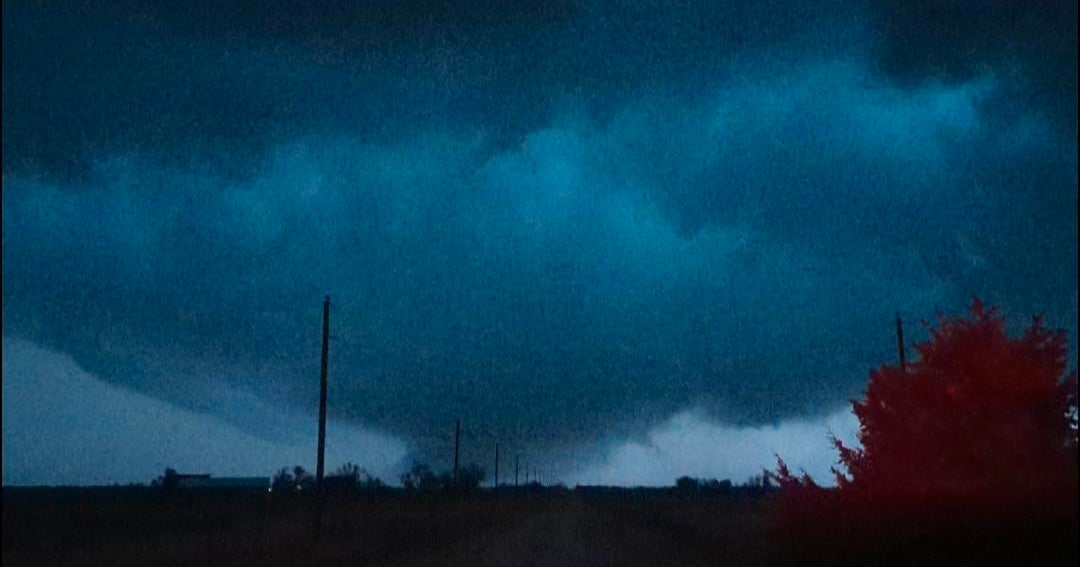
The tornado that claimed these two lives was part of a much larger weather system that wreaked havoc across Oklahoma on Thursday night. Emergency crews reported extensive damage throughout the affected areas, painting a picture of widespread destruction. Among the incidents reported was a semi-truck rollover on Highway 412, demonstrating the violent winds’ ability to topple even large commercial vehicles. Perhaps most concerning from an infrastructure standpoint was the report of three miles of continuous downed power lines, leaving countless residents without electricity and creating dangerous conditions for recovery efforts. The town of Cleo Springs experienced significant structural damage, with buildings and homes bearing the brunt of the tornado’s fury. Local authorities have urged drivers to avoid Highway 60 entirely as repair crews work to clear debris and restore safe passage. The visual evidence of the storm’s power is staggering—video footage captured by Fairview Emergency Management shows a massive tornado cutting an ominous path across the horizon, its dark funnel cloud a terrifying sight against the Oklahoma sky. This footage serves as a stark reminder of why residents must take tornado warnings seriously and seek shelter immediately when alerts are issued.
The Full Scope of Thursday’s Severe Weather
The tornado that proved fatal in Major County was far from an isolated incident. Across Oklahoma, multiple tornadoes were confirmed by the National Weather Service, creating a night of terror for residents throughout the state. The severe weather brought with it a dangerous combination of threats beyond just the twisters themselves. Some areas of the state experienced hail measuring two inches in diameter—roughly the size of golf balls—capable of denting vehicles, shattering windows, and causing significant property damage. Other communities faced the assault of powerful thunderstorms accompanied by winds reaching speeds of up to 60 miles per hour, strong enough to uproot trees, tear off roofing materials, and turn everyday objects into dangerous projectiles. The National Weather Service maintained constant updates throughout the evening, tracking the multiple storm cells as they moved across the state. For many Oklahomans, Thursday night meant hours huddled in basements, storm shelters, and interior rooms, listening to the howling wind and hoping their homes would still be standing when morning came. The psychological toll of such events, even when people survive unscathed, should not be underestimated—the fear and anxiety can linger long after the skies clear.
Friday Brings No Relief: Continued Danger Ahead
As communities began assessing the damage from Thursday’s storms, meteorologists delivered sobering news: the threat was far from over. Friday’s forecast called for a continuation of severe weather conditions, potentially even more dangerous than what the state had already endured. The National Weather Service issued warnings for possible tornadoes, demonstrating that the atmospheric conditions remained primed for these devastating twisters to form. Even more alarming was the prediction of hail the size of baseballs—significantly larger than Thursday’s two-inch hailstones—which could cause catastrophic damage to anything left exposed. Wind speeds were forecast to reach up to 70 miles per hour, ten miles per hour stronger than the previous day’s gusts and powerful enough to cause structural damage even without tornado formation. By Friday morning, scattered showers and storms were already beginning to develop, an ominous sign that the forecast was materializing as predicted. This meant that first responders and repair crews working to help those affected by Thursday’s storms would have to do so while keeping one eye on the sky, ready to take cover themselves if conditions deteriorated. For residents already traumatized by the previous night’s events, the prospect of facing another round of severe weather was almost unbearable, testing the resilience for which Oklahoma communities are known.
The Human Element: A Family’s Final Moments
Beyond the statistics and weather reports lies a deeply human tragedy that puts a face to the devastating cost of severe weather. The story of the mother and daughter from Fairview represents every family’s worst nightmare during tornado season. We can only imagine the scene: a mother and her young teenage daughter, perhaps trying to reach safety, perhaps caught off-guard by the storm’s rapid development, maintaining contact with a loved one by phone. That family member on the other end of the line, hearing their voices one moment and then nothing but silence the next, must now live with those final moments replayed in their memory. The fact that authorities were able to use the phone’s signal to locate the vehicle suggests the family was actively trying to help, providing what information they could in hopes of a rescue. For the Oklahoma Highway Patrol officers who followed that signal to its source, the discovery must have been devastating—arriving with the hope of saving lives only to find they were too late. This mother and daughter were real people with names, histories, dreams, and a community that knew and loved them. The 13-year-old girl had her whole life ahead of her, and her mother was in the prime of her life. Their absence will be felt in classrooms, workplaces, family gatherings, and throughout the Fairview community for years to come.
Oklahoma’s Ongoing Battle with Severe Weather
This latest tragedy underscores a harsh reality for those living in Oklahoma and across Tornado Alley: severe weather is not a question of if, but when. The state’s geographic location makes it particularly susceptible to the atmospheric conditions that spawn tornadoes, sitting at the intersection of warm, moist air from the Gulf of Mexico and cool, dry air from Canada. While meteorological technology has advanced significantly, allowing for better prediction and warning systems, tornadoes can still develop rapidly and with devastating consequences. The deaths of this mother and daughter serve as a sobering reminder that even with warnings, even with preparations, these storms can be deadly. As climate patterns continue to shift, some scientists suggest that severe weather events may become more frequent or intense, though research in this area continues. What remains constant is the need for preparedness, respect for the power of nature, and community support in the aftermath of disasters. The coming days will bring funerals, memorials, and the long process of rebuilding—not just structures, but lives torn apart by loss. Governor Stitt’s call for prayers reflects the deeply felt need for community solidarity during such times. As Friday’s storms approach, Oklahomans once again must face the anxiety of severe weather, this time with fresh grief and heightened awareness of just how quickly everything can change. The resilience of Oklahoma communities will once again be tested, as neighbors help neighbors and strangers become friends in the shared experience of survival and recovery.