
Naval Escorts Won’t Solve the Strait of Hormuz Crisis, Warns UN Maritime Chief
De-escalation Is the Only Path Forward
The head of the United Nations’ International Maritime Organisation has delivered a sobering assessment of the ongoing crisis in the Strait of Hormuz, warning that military escorts for oil tankers are not the answer to reopening this critical shipping route. Arsenio Dominguez, the IMO’s secretary-general, spoke candidly with reporters at the beginning of an emergency two-day meeting in London, emphasizing that naval protection could actually make vessels more vulnerable rather than safer. His stark message comes as the world grapples with an energy crisis triggered by the closure of a waterway that, under normal circumstances, serves as the passage for twenty percent of the world’s oil demand.
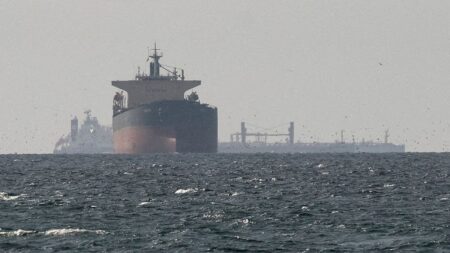
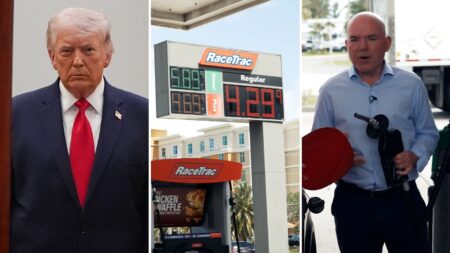
The strait has been effectively shut down for more than two weeks following escalating tensions between the United States, Israel, and Iran. The current crisis erupted after a US-Israeli military offensive against Iran, which prompted Tehran to retaliate by attacking oil tankers and other energy infrastructure in the region. These attacks have brought shipping traffic to a standstill and sent shockwaves through global energy markets, with prices spiking as the world faces the reality of a major supply disruption. The situation has put enormous pressure on international leaders to find a solution, with US President Donald Trump calling on allies, including the United Kingdom, to provide naval support for tankers attempting to navigate through the dangerous waters.
Why Military Escorts Present More Problems Than Solutions
However, Dominguez’s warnings suggest that the military solution being proposed by the United States may be fundamentally flawed. Speaking from the IMO’s headquarters on London’s South Bank, directly across from the Palace of Westminster, he explained that the presence of naval escort vessels does not provide the guarantees needed to restore normal shipping operations. “The reality is that a ship can still be targeted even with an escort vessel next to it, and it doesn’t really provide the guarantees, not even on insurance or to the seafarers, that trade can continue to come back,” he stated bluntly. His concerns extend beyond just the physical security of the vessels to the practical realities of commercial shipping operations, including insurance coverage and the willingness of seafarers to risk their lives in a conflict zone.
When pressed by journalists about whether naval convoys could actually present a more attractive target for Iranian forces, Dominguez responded with a simple but powerful word: “absolutely.” This acknowledgment highlights a crucial paradox in the current debate over how to reopen the strait. Military escorts, rather than deterring attacks, could actually escalate tensions and provide Iran with high-profile targets that would demonstrate their control over the strategic waterway. The secretary-general made clear that he believes shipping traffic is unlikely to resume without a formal ceasefire between the warring parties. “I can’t see that because it’s too risky, and I will not be calling on anyone to take the risk to send innocent ships and innocent seafarers in particular through the Strait of Hormuz when there are no guarantees from all the parties involved that it is safe to do so,” he said, putting the safety of civilian mariners at the forefront of his concerns.
The Emergency Meeting and International Response
The emergency meeting called by the IMO’s governing council reflects the severity of the crisis and the urgent need for international cooperation. The council, which consists of forty member nations including major powers like the UK and the US, as well as Gulf states that have faced direct retaliation from Iran such as Saudi Arabia, the UAE, and Qatar, represents a broad spectrum of interests affected by the closure of the strait. Significantly, both Iran and Israel will be present at the London meeting, though only as observers rather than full participants. This diplomatic arrangement allows for all parties to hear the discussions and potentially contribute to finding a solution, while acknowledging the complex political realities that prevent their full participation in the council’s deliberations.
The choice of venue—the IMO’s headquarters on the Thames—symbolizes the international community’s commitment to finding a multilateral solution through dialogue rather than military force. Dominguez emphasized this point when he said, “We need to de-escalate the situation. It’s the only solution. And this is why we meet here at IMO. We actually believe and trust multilateralism and dialogues. And that’s how we find solutions.” This statement represents a direct counterpoint to the more militaristic approach being advocated by some national leaders, including President Trump. The IMO chief’s comments suggest that the organization views diplomatic engagement and negotiation as the only sustainable path to restoring the flow of not just oil, but also cargo, fertilizers, and food to and from the Gulf region.
The Human Cost and “Cowardly” Attacks on Neutral Shipping
Beyond the geopolitical implications and economic impacts, Dominguez expressed particular outrage at Iran’s targeting of commercial vessels and their crews, describing the attacks as “cowardly.” His choice of words reflects the maritime community’s view that civilian shipping should be protected from military conflicts as a matter of international law and basic human decency. “Shipping should have never been put in this situation. Those are very cowardly attacks on a sector that doesn’t take part in these geopolitical conflicts,” he stated emphatically. This perspective highlights an often-overlooked aspect of maritime conflicts: the seafarers who crew these vessels are civilians caught in the crossfire of disputes that have nothing to do with them, yet they face very real dangers to their lives and livelihoods.
The IMO secretary-general’s condemnation of the attacks also underscores the global nature of the shipping industry and its vulnerability to regional conflicts. Commercial vessels and their crews come from nations around the world, many of which have no involvement whatsoever in Middle Eastern politics or the current tensions between Iran and Western powers. Yet these innocent parties are being put at “unacceptable risk,” in Dominguez’s words, simply because they work in an industry that must navigate through geopolitically sensitive areas. The impact extends far beyond the immediate region, as he noted: “The reality is that everybody’s affected, not just the countries in the region.” This observation serves as a reminder that in our interconnected global economy, a disruption to shipping in one critical chokepoint can have cascading effects on supply chains, energy prices, and economic stability worldwide.
Looking Ahead: The Need for Diplomatic Solutions
As the emergency meeting proceeds in London, the maritime industry and the world at large await concrete proposals for how to resolve the crisis. Dominguez’s comments make clear that the IMO sees de-escalation and dialogue as the only viable path forward, rejecting quick military fixes in favor of the harder work of diplomatic engagement. The presence of representatives from Iran and Israel at the meeting, even as observers, offers a glimmer of hope that all parties recognize the need for some form of communication and negotiation. The challenge will be finding common ground between nations with deeply conflicting interests and long-standing grievances, all while the clock ticks on an energy crisis that affects billions of people worldwide.
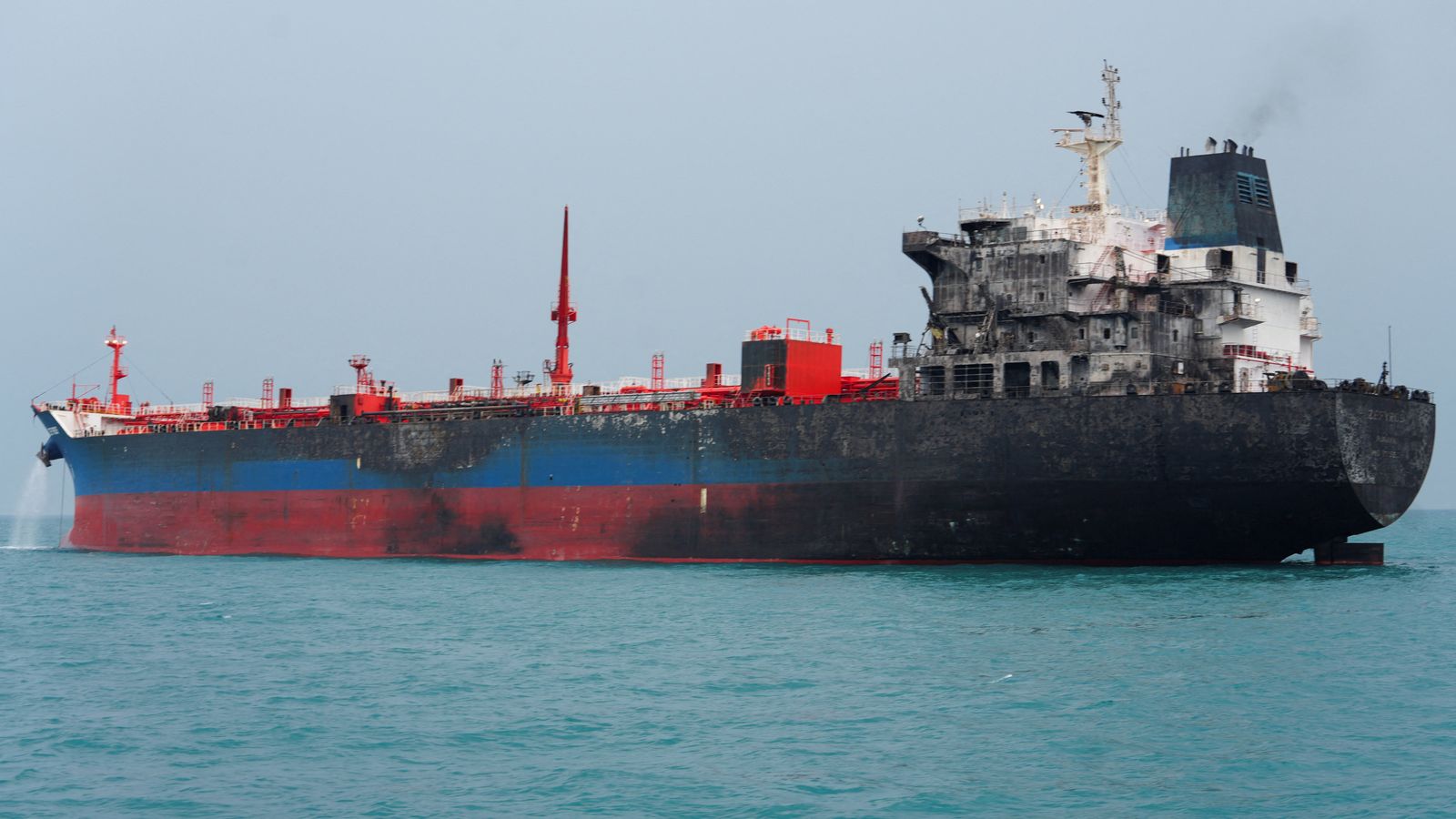
The Strait of Hormuz crisis serves as a stark reminder of the fragility of global supply chains and the devastating impact that regional conflicts can have on the world economy. As images of damaged tankers circulate in the media—including one showing an Iraqi crude carrier with visible damage from an Iranian attack—the human and economic costs become impossible to ignore. The coming days will reveal whether the international community can rise to the challenge of finding a diplomatic solution, or whether the strait will remain closed, continuing to strangle global oil supplies and drive energy prices higher. Whatever the outcome, the IMO chief’s warnings about the futility of military escorts and the necessity of de-escalation will likely prove prescient, serving as a reminder that in maritime conflicts, as in most international disputes, there are no easy military solutions to complex political problems.