

Argentina Seeks Extradition of Nicolás Maduro on Crimes Against Humanity Charges
A Bold Legal Move by Argentine Authorities
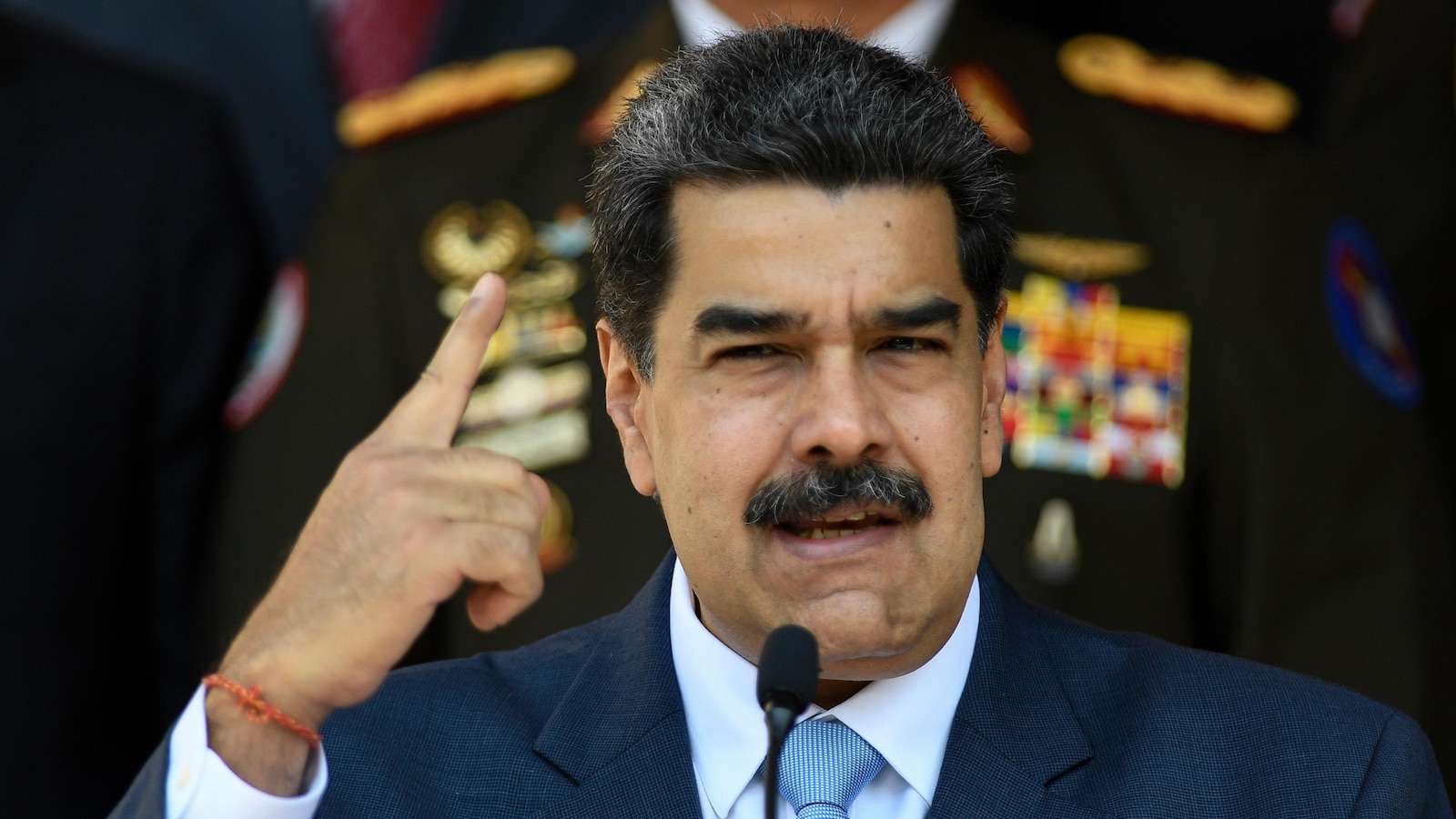
In a significant development that adds another layer of complexity to the international legal saga surrounding Venezuela’s former leader, an Argentine judge has formally requested the extraditation of Nicolás Maduro from the United States. Judge Sebastián Ramos signed the warrant on Wednesday, demanding that the former Venezuelan president face charges of crimes against humanity in Argentina. This request comes at a time when Maduro is already detained in the United States, facing his own set of serious federal charges including narco-terrorism and conspiracy to import cocaine. Currently held in a Brooklyn jail alongside his wife Cilia Flores, Maduro awaits trial on allegations that he collaborated with drug cartels to smuggle thousands of tons of cocaine into the United States over a quarter-century period. The Argentine legal action represents an extraordinary exercise of international law, demonstrating how countries are increasingly willing to pursue justice for human rights violations that occur beyond their borders.
The Foundation of Argentina’s Case
The Argentine investigation centers on allegations that Maduro committed crimes against humanity during his tenure as Venezuela’s president, specifically related to his government’s brutal suppression of protesters and political opponents. The case was originally filed in Buenos Aires in 2023 by human rights organizations representing Venezuelan victims who suffered unimaginable abuses at the hands of Venezuelan security forces and intelligence agents. The plaintiffs include individuals who endured torture, arbitrary detention, and enforced disappearance—violations that represent some of the most serious breaches of international human rights law. Argentina’s pursuit of this case relies on the principle of universal jurisdiction, a powerful legal concept that permits certain countries to prosecute individuals for the most heinous crimes regardless of where those crimes were committed or the nationality of the perpetrator or victims. This principle applies to crimes such as genocide, war crimes, and terrorism, recognizing that some offenses are so fundamentally offensive to the international community that any nation should have the authority to bring perpetrators to justice. Argentina is one of only a handful of countries whose legal system embraces this doctrine, positioning it as a unique forum for victims seeking accountability when their own national courts cannot or will not act.
The Procedural Path Forward and Political Realities
Following Judge Ramos’s signing of the extradition warrant, Argentina’s foreign ministry now bears the responsibility of formally presenting the request to the Trump administration. The judge’s order specifically called for “the urgent translation of the international request and the documentation attached thereto,” indicating the seriousness with which Argentine authorities are treating this matter. The warrant references the 1997 extradition treaty between Argentina and the United States and acknowledges Maduro’s recent capture by U.S. military forces, demonstrating that the Argentine legal system has been closely monitoring the situation. However, legal experts and observers widely acknowledge that the likelihood of the United States complying with Argentina’s extradition request is extremely low. The Trump administration is pursuing its own prosecution of Maduro on drug trafficking charges, and under most legal frameworks, the country that physically holds a defendant has significant discretion in determining which jurisdiction should proceed first, particularly when that country has its own substantial charges pending against the individual in question.
Argentina’s Growing Role in International Justice
This case is far from Argentina’s first foray into prosecuting international human rights violations. The country has increasingly positioned itself at the forefront of universal jurisdiction cases, investigating and prosecuting crimes that occurred in distant corners of the world. Argentine courts have previously taken on cases ranging from the torture of dissidents during Franco’s dictatorship in Spain to atrocities committed by Myanmar’s military against Rohingya Muslims. This expanding docket of international cases reflects Argentina’s own painful history with state violence and human rights abuses during its military dictatorship from 1976 to 1983, a period known as the “Dirty War” when thousands of people were disappeared, tortured, and killed. That national trauma has shaped Argentina’s legal culture, creating a commitment to pursuing justice for human rights violations that extends beyond its borders. The country’s willingness to take on these complex and politically sensitive cases has made it an important venue for victims around the world who find their own national courts closed to them, whether due to lack of political will, intimidation, or legal limitations. In the case of Venezuela, the country’s deeply compromised judicial system has made it virtually impossible for victims of government repression to seek justice domestically, making international forums like Argentina’s courts essential for accountability.
Reactions and the Symbolic Importance of the Request
Despite the practical challenges facing Argentina’s extradition request, the organizations that filed the original case have celebrated the development as a meaningful victory for victims and for the principle of accountability. One of these organizations, the Argentine Forum for the Defense of Democracy, issued a statement hailing the request as “an important milestone for Argentina, for justice, and above all, for Venezuelan victims who dared to speak out.” The organization emphasized that regardless of whether the extradition ultimately succeeds, the very act of pursuing the case represents “the satisfaction of having stood up to the powerful, fiercely defending human rights.” This perspective highlights an important dimension of international human rights litigation: even when practical obstacles make successful prosecution unlikely, the symbolic and documentary value of such cases can be significant. By creating an official legal record of the allegations against Maduro, by providing victims with a forum to testify about their experiences, and by demonstrating that at least some judicial systems take these crimes seriously, the Argentine case serves purposes beyond the immediate question of whether Maduro will face trial in Buenos Aires. It also sends a message to current and future leaders that the international community, or at least significant parts of it, will not ignore human rights abuses, and that multiple avenues for accountability exist.
Political Dynamics and the Future of the Case
The political context surrounding this case adds additional layers of complexity. Argentine President Javier Milei, described as the region’s most prominent right-wing leader and a close ally of U.S. President Donald Trump, has publicly supported the American military operation that resulted in Maduro’s capture on January 3rd. This political alignment between Argentina and the United States might ordinarily facilitate cooperation on legal matters, but in this instance, the competing claims for Maduro create a more complicated situation. The Trump administration has made the prosecution of Maduro on drug trafficking charges a priority, framing it as part of a broader effort to combat narco-terrorism and hold corrupt foreign leaders accountable. From Washington’s perspective, proceeding with its own prosecution serves both legal and political purposes, demonstrating American resolve on drug enforcement issues and providing a high-profile victory for the administration’s foreign policy approach to Venezuela. In this context, honoring Argentina’s extradition request would mean delaying or potentially foregoing the U.S. prosecution, an outcome that appears highly unlikely given the domestic political capital the administration has invested in the case. Nevertheless, the Argentine case will continue to proceed, building its evidentiary record and maintaining pressure on Maduro and his associates. Whether or not he ever faces an Argentine court, the investigation serves the crucial function of documenting the human rights situation in Venezuela and providing a measure of recognition and dignity to the victims who have come forward to testify about their experiences.