

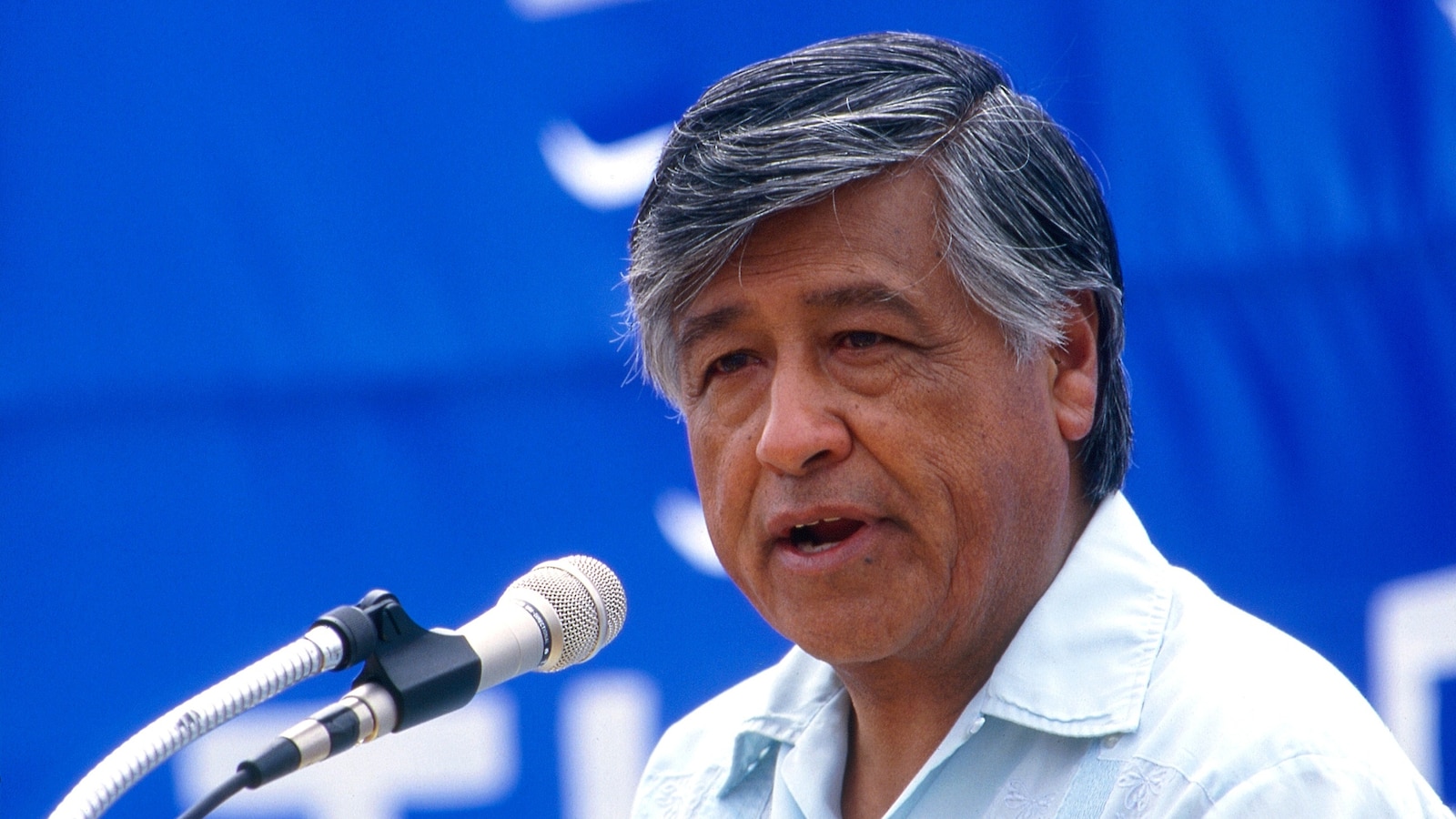

Serious Allegations Emerge Against Civil Rights Icon Cesar Chavez
Historic Legacy Now Under Shadow
The United Farm Workers union has announced deeply disturbing allegations against one of America’s most revered civil rights leaders, Cesar Chavez, involving claims of abuse toward young women and minors. The revelation, made public through a statement released on Tuesday, has sent shockwaves through the farmworker movement and communities across the nation that have long honored Chavez as a champion of labor rights and social justice. The UFW, which Chavez co-founded and led for decades, acknowledged that while some allegations involve private family matters that are not their place to address, other claims are far more troubling and involve potential victimization of very young women and girls. The union emphasized that these allegations are “crushing” and represent behavior completely incompatible with the organization’s core values. This development comes at a particularly significant time, just two weeks before Cesar Chavez Day is scheduled to be observed on March 31 in states across the country, forcing communities to grapple with how to reconcile these allegations with the legacy of a man who became a national symbol of the fight for farmworkers’ rights and dignity.
Organizations Respond with Commitment to Truth and Support
Both the United Farm Workers union and the Cesar Chavez Foundation have released careful statements acknowledging the allegations while committing to take appropriate action. The UFW has been transparent about not having firsthand knowledge of the specific incidents or direct reports from alleged victims, but the union emphasized that the seriousness of the allegations compels them to take urgent steps to learn more and provide necessary support for anyone who may have been harmed. The Cesar Chavez Foundation similarly expressed being “deeply shocked and saddened” by what they are hearing, describing the allegations as involving “inappropriate sexual behavior with women and minors during his time as President of the United Farm Workers of America.” Both organizations are working together with leaders in the broader farmworker movement to respond appropriately to these claims, demonstrating a commitment to prioritize justice and support for potential victims over protecting the reputation of their founder. The coordinated response suggests that the allegations, while not yet detailed publicly, are being taken with the utmost seriousness by those who have carried forward Chavez’s work.
Creating Pathways for Victims to Come Forward
In response to these allegations, the UFW and the Cesar Chavez Foundation have announced plans to establish what they describe as a confidential and independent channel specifically designed for individuals who may have experienced harm caused by Cesar Chavez. This mechanism will provide a safe space for survivors to share their experiences if they choose to do so, on their own terms and timeline. The organizations have emphasized that this channel is intended not only for people to share their stories but also to help them identify their current needs and the ongoing impacts of any harm they may have suffered. Additionally, those who wish to participate will have the opportunity to engage in a collective process to develop mechanisms for repair and accountability. The union stressed their commitment to ensuring that robust, trauma-informed services are made available to anyone who might need support, acknowledging that they need time to “get this right.” This approach reflects a contemporary understanding of how institutions should respond to allegations of historical abuse—by centering the needs of survivors, providing professional support services, and creating pathways for accountability that respect the dignity and autonomy of those who may have been harmed.
Immediate Impact on Cesar Chavez Day Celebrations
The timing of these revelations has immediate practical implications, as communities across the United States prepare for the annual observance of Cesar Chavez Day on March 31. The holiday, which was established as a federal commemorative day by President Barack Obama in 2014, has traditionally been a time for celebrating Chavez’s contributions to labor rights, social justice, and the empowerment of marginalized communities. However, in light of these allegations, cities are now reconsidering their planned celebrations. San Antonio is among the municipalities that have already canceled events that were scheduled to honor Chavez. The United Farm Workers union has announced that it will not be participating in any Cesar Chavez Day activities this year, a significant decision given that the union itself was co-founded by Chavez and has been the primary custodian of his legacy. This widespread reconsideration of celebrations reflects a broader cultural shift in how we deal with revelations about historical figures—a recognition that honoring someone’s public achievements cannot be separated from addressing serious allegations about their private conduct, particularly when that conduct may have caused harm to vulnerable individuals.
Understanding Cesar Chavez’s Historical Significance
To fully grasp the magnitude of these allegations, it’s important to understand who Cesar Chavez was and why his legacy has been so important to so many people. Chavez, who died in 1993 at the age of 66, dedicated his life to organizing farmworkers, one of the most exploited and marginalized groups of laborers in American society. Through decades of leading boycotts, protests, and strikes, he helped secure better wages, improved working conditions, and basic dignity for farmworkers across the country’s agricultural regions. His methods, which included fasting, non-violent resistance, and building coalitions across racial and ethnic lines, made him a national civil rights icon whose influence extended far beyond the fields of California. More than three decades after his death, Chavez has remained the most recognizable face of farmworker and immigrant rights movements in the United States. His image adorns murals in communities throughout the Southwest, his name graces schools and streets, and his rallying cry of “Sí, se puede” (Yes, we can) became a defining slogan not only for labor organizing but for broader movements for social justice. For millions of Mexican Americans and other Latinos, Chavez represented not just a labor leader but a symbol of empowerment, pride, and the possibility of standing up to powerful interests and winning justice.
Navigating the Difficult Path Forward
The farmworker movement and the broader community that has honored Cesar Chavez now face the difficult task of reconciling these allegations with the undeniable positive impact of his public work. This is not about erasing history or pretending that the improvements won for farmworkers didn’t happen—those gains were real and came at great cost to the organizers, including Chavez, who sacrificed comfortable lives to pursue justice. However, it is about acknowledging that people are complex, that public heroism does not immunize anyone from accountability for private harm, and that the victims of abuse deserve to be heard, believed, and supported regardless of the status of the accused. The response from the UFW and the Cesar Chavez Foundation, while still in its early stages, suggests an attempt to model this difficult balance—maintaining their commitment to the cause of farmworker justice while also creating space for a full accounting of potential harm caused by their founder. As these organizations have noted, they need time to ensure they handle this appropriately, with proper support for survivors and a genuine commitment to truth and accountability. The coming weeks and months will reveal more about these allegations and how the community responds. Whatever emerges, this moment represents a reckoning with the complexity of legacy, the importance of centering survivors in our understanding of justice, and the ongoing challenge of building movements for social change that truly live up to their stated values not just in public action but in how leaders treat the most vulnerable people in their own communities.