


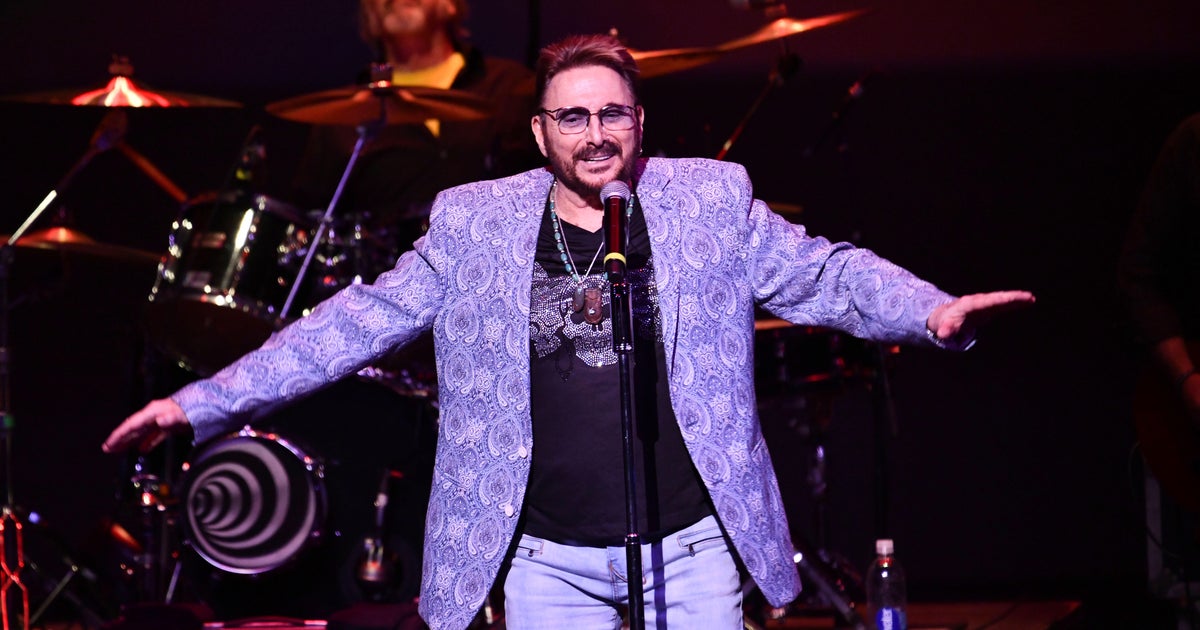

Remembering Chuck Negron: The Voice Behind Three Dog Night’s Greatest Hits
A Rock Legend Falls Silent
The music world has lost one of its most distinctive voices. Chuck Negron, the founding member and lead vocalist of the iconic rock band Three Dog Night, passed away on Monday at the age of 83 in his Studio City home in Los Angeles. His death came as a result of complications from heart failure and chronic obstructive pulmonary disease (COPD), a condition he had battled for three decades. Negron’s powerful, soulful voice helped define an era of American rock music, delivering unforgettable performances on chart-topping hits that remain staples of classic rock radio today. Songs like “Joy to the World,” “One,” and “An Old Fashioned Love Song” showcased his remarkable vocal range and emotional depth, making Three Dog Night one of the most successful rock acts of the late 1960s and early 1970s. His passing marks the end of an era for fans who grew up with these timeless anthems, and reminds us of the incredible impact one voice can have on popular culture.
From the Bronx to Rock Stardom
Born Charles Negron II on June 8, 1942, in the Bronx, New York, Chuck’s journey to rock stardom began in the vibrant streets of his neighborhood. Growing up in a broken home after his parents divorced when he was just two years old, young Chuck found solace and identity in music, singing with local doo-wop groups from an early age. The street corners and subway stations of the Bronx became his first stages, where he honed the vocal skills that would later captivate millions. His athletic abilities eventually provided his ticket to California when he was recruited by California State University to play basketball. This move to Los Angeles proved to be a turning point in his life, opening doors to the burgeoning music industry on the West Coast. In 1967, Negron’s life changed forever when he joined forces with Danny Hutton and Cory Wells to form Three Dog Night, a vocal trio that would blend R&B, rock ‘n’ roll, and urban doo-wop into a unique and commercially successful sound that defined an era.
Chart-Topping Success and Cultural Impact
Three Dog Night’s rise to fame was meteoric. In 1969, just two years after forming, the band achieved their first million-selling single with “One,” a Harry Nilsson composition that showcased Negron’s emotive vocal delivery. This was just the beginning of an incredible run of success that would see the band become one of the most commercially successful acts of their time. Negron’s lead vocals powered an impressive string of hits including “Easy To Be Hard,” “The Show Must Go On,” and of course, the jubilant “Joy to the World,” which became one of the best-selling singles of all time. The band’s other memorable hits like “Black and White,” “Mama Told Me (Not to Come),” “Never Been to Spain,” and “Shambala” demonstrated their versatility and wide appeal. By December 1972, Three Dog Night had become such a cultural phenomenon that they were chosen to host and perform on the inaugural edition of Dick Clark’s “New Year’s Rockin’ Eve,” cementing their place in American pop culture history. However, by 1975, the music industry landscape was changing, album sales began to decline, and the band scored their last Billboard Hot 100 hit with “Til the World Ends.” Internal conflicts and personal struggles began to tear at the fabric of the group, ultimately leading to their breakup in 1976.
The Dark Side of Fame: Addiction and Recovery
Behind the glittering success and sold-out concerts lay a darker reality. Negron’s rapid ascent to fame came with a devastating cost as he fell into heavy drug use during the band’s peak years. The pressures of stardom, constant touring, and the excesses readily available to rock stars in that era took their toll. Negron spent his entire fortune feeding his addiction, a descent that eventually led him to Los Angeles’ infamous Skid Row, where the once-celebrated vocalist found himself among the city’s most desperate and forgotten residents. This fall from grace was as dramatic as his rise to stardom had been swift. The band reunited in 1981, offering Negron a chance at redemption, but his ongoing struggles with substance abuse led to his dismissal from Three Dog Night in late 1985. It would take several more years and numerous rehabilitation attempts before Negron finally achieved sobriety in 1991. His recovery marked the beginning of a new chapter in his life and career. In 1999, Negron published “Three Dog Nightmare,” a brutally honest memoir detailing both his triumphs on stage and his battles with addiction. The book served as both a cautionary tale and an inspiration to others struggling with similar demons, showing that recovery and redemption were possible even after hitting rock bottom.
A Successful Second Act
Sobriety brought Negron a clarity and creative energy that fueled a successful solo career spanning more than two decades. Between 1995 and 2017, he released seven albums, proving that his voice remained powerful and his artistry intact despite the years of abuse he had subjected his body to. He continued touring well into his later years, even as chronic COPD made performing increasingly challenging. His dedication to his craft and his fans was unwavering—he performed despite the breathing difficulties that had plagued him for three decades, demonstrating the same determination that had helped him overcome addiction. It was only the COVID-19 pandemic that finally forced him to retire from the stage permanently, as his respiratory condition made him particularly vulnerable to the virus. In a touching turn of events, Negron and fellow founding member Danny Hutton reconciled last year after decades of estrangement, providing both men with closure and peace after years of bitterness and separation. This reconciliation was particularly poignant given that Hutton and guitarist Michael Allsup are now the only surviving members of the classic Three Dog Night lineup.
A Complex Legacy of Music and Family
Chuck Negron leaves behind more than just a catalog of hit songs—he leaves a family who loved him and a life story that encompasses both the heights of success and the depths of despair. He is survived by his wife, Ami Albea Negron, and five children. Among his survivors is Berry Oakley Jr., the son of Allman Brothers Band bassist Berry Oakley, who tragically died in a motorcycle accident in 1972. Negron was married for a time to Julia Negron, Berry Jr.’s mother, and stepped up to help raise the infant after his biological father’s death, demonstrating a capacity for compassion and responsibility even during his most troubled years. Negron’s life serves as a reminder that artists are complex human beings whose personal struggles often exist alongside their public triumphs. His story is one of incredible talent, devastating addiction, hard-won recovery, and ultimate redemption. The songs he sang continue to bring joy to millions, played at weddings, parties, and on radio stations around the world. “Joy to the World” alone has been covered countless times and remains a feel-good anthem more than fifty years after its release. Chuck Negron’s voice helped define the sound of an era, and while he may be gone, the music he created ensures that he will never be forgotten. His journey from the streets of the Bronx to rock stardom, through the depths of addiction and back to redemption, tells a very human story of resilience and the enduring power of music to both wound and heal.