
Trump Administration Considers Waiving Jones Act Amid Iran Conflict and Rising Energy Costs
Emergency Measures on the Table as Oil Prices Soar
The Trump administration is seriously considering temporarily suspending the Jones Act, a century-old maritime law, as the ongoing conflict with Iran continues to drive up energy prices across the United States. White House spokeswoman Karoline Leavitt announced Thursday that officials are weighing this significant policy decision in the interest of national defense, though she emphasized that no final determination has been made. The potential waiver would represent a major shift in domestic shipping policy, allowing foreign vessels to transport fuel and other essential goods between American ports—something that’s currently prohibited under existing regulations. This consideration comes as both consumers and policymakers grapple with rapidly escalating fuel costs that threaten to squeeze household budgets and reignite inflationary pressures throughout the economy.
Understanding the Jones Act and Its Impact on American Shipping
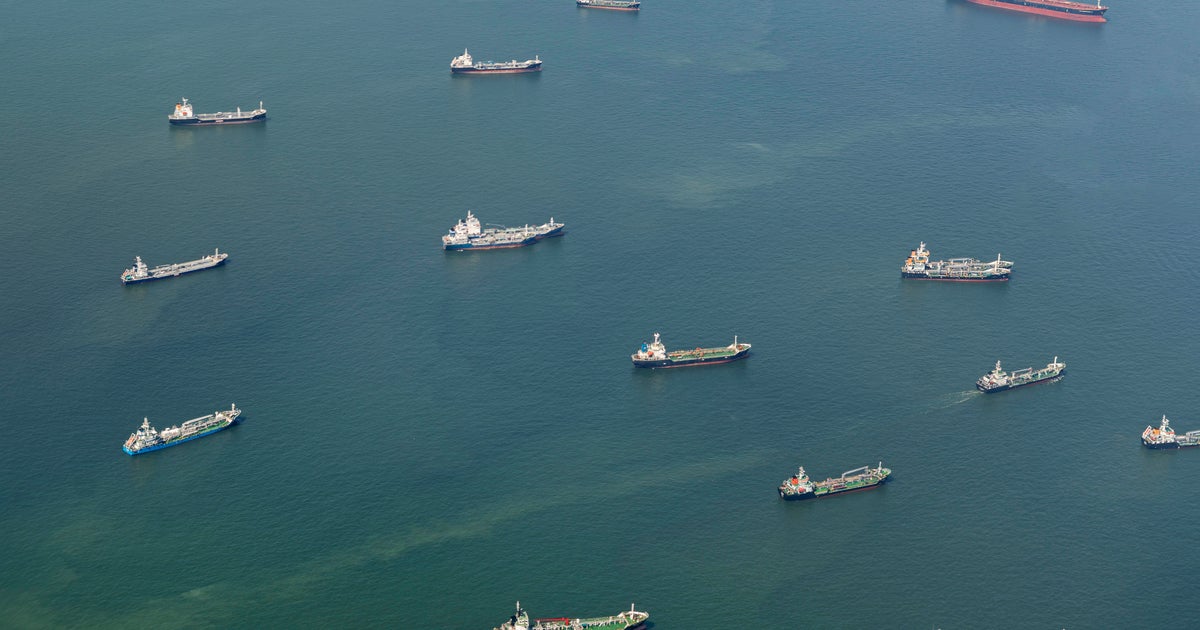
The Jones Act, officially known as the Merchant Marine Act of 1920, has shaped American maritime commerce for over a hundred years. This legislation mandates that any goods shipped between U.S. ports must be transported exclusively on vessels that meet three strict criteria: they must be built in American shipyards, fly the U.S. flag, and be operated by predominantly American crews. Supporters of the law argue that it protects American maritime jobs, ensures a robust domestic shipping industry, and maintains a fleet of vessels and trained mariners that can be called upon during national emergencies. However, critics have long contended that these restrictions significantly limit the number of tankers available for domestic shipping routes, creating bottlenecks in the supply chain and driving up transportation costs. By requiring the use of American-built ships—which are considerably more expensive to construct than those built in foreign shipyards—the law effectively reduces the fleet size available for domestic commerce. In the current crisis, with energy supplies disrupted by military conflict, these limitations have become particularly problematic, prompting the administration to consider temporarily setting aside these requirements.
Energy Markets React to Middle East Tensions
The global energy markets have responded dramatically to the escalating military situation in the Middle East. Since the United States and Israel launched attacks against Iran on February 28, oil and gas prices have climbed sharply, creating economic ripple effects felt by American consumers and businesses alike. Brent crude oil, the international benchmark that had been trading around a relatively modest $60 per barrel in early January, experienced an 8% surge on Thursday alone, briefly crossing the psychologically significant $100-per-barrel threshold before settling slightly lower. Similarly, West Texas Intermediate—the primary U.S. oil benchmark—jumped nearly 9% to reach $95.02 per barrel. These dramatic price increases reflect market concerns about potential supply disruptions from one of the world’s most critical oil-producing regions, as well as broader geopolitical uncertainty about how the conflict might evolve. The speed and magnitude of these price movements have caught many analysts off guard and have prompted urgent discussions within the administration about how to mitigate the impact on American consumers and the broader economy.
Government Intervention Attempts Fall Short
Recognizing the severity of the situation, both the Trump administration and international partners have already taken extraordinary steps to stabilize global energy markets, though these efforts have so far proven insufficient to calm turbulent prices. On Wednesday, just a day before the Jones Act waiver announcement, the administration coordinated with the International Energy Agency to announce that member countries would collectively release 400 million barrels of oil from strategic reserves into global markets. This massive injection of supply was intended to reassure markets that adequate energy resources would remain available despite the Middle East conflict and to place downward pressure on rapidly rising prices. However, oil markets continued their upward trajectory even after this announcement, suggesting that traders remain deeply concerned about the reliability of oil supplies from the Persian Gulf region. The failure of this coordinated reserve release to meaningfully impact prices has underscored the severity of the supply concerns and has pushed the administration to consider additional measures—including the Jones Act waiver—to ensure that whatever oil is available can move as efficiently as possible through the American supply chain to reach consumers who need it.
American Consumers Feel the Pain at the Pump
For ordinary Americans, the geopolitical tensions and global oil market dynamics have translated into very real financial pressures, most visibly at gas stations across the country. According to data from AAA, the national average price for a gallon of gasoline reached $3.60 on Thursday, representing an increase of approximately 60 cents per gallon since before the conflict with Iran began. While this price level remains below some of the peaks seen in recent years, the rapid pace of the increase—occurring over just a few weeks—has caught many household budgets off guard. For families already struggling with the cumulative impact of years of elevated inflation on groceries, housing, and other essentials, this additional burden on transportation costs represents yet another financial challenge. The increase is particularly painful for lower-income Americans who spend a larger percentage of their income on gasoline and who have fewer options to reduce their driving, such as working from home or using public transportation. Beyond the direct impact on household budgets, rising fuel costs also threaten to push up prices for a wide range of goods and services, since transportation costs are a component of virtually everything consumers purchase, from food to manufactured goods.
The Path Forward: Balancing Multiple Priorities
As the administration weighs whether to proceed with waiving the Jones Act, officials face a complex balancing act between competing priorities and interests. On one hand, temporarily allowing foreign-flagged vessels to move fuel between American ports could potentially ease supply constraints and help moderate price increases, providing relief to consumers and reducing inflationary pressures on the broader economy. Proponents of waiving the act argue that in times of national emergency—which the current situation with Iran certainly qualifies as—flexibility and pragmatism should take precedence over normal regulatory requirements. On the other hand, the maritime industry and labor unions representing American shipbuilders and sailors will likely resist any waiver, even a temporary one, arguing that it sets a dangerous precedent that could eventually undermine the domestic shipping industry. They contend that the Jones Act has successfully maintained American maritime capabilities for a century and that suspending it, even briefly, could lead to job losses and a weakening of national security capabilities in the long term. Additionally, the administration must consider whether a Jones Act waiver would actually achieve its intended effect—there’s no guarantee that bringing in foreign vessels would significantly lower prices if the fundamental problem is a shortage of available oil rather than transportation bottlenecks. As White House officials continue their deliberations, they’ll need to carefully assess whether this policy tool would meaningfully address the current crisis or whether alternative approaches might prove more effective in ensuring that “vital energy products and agricultural necessities are flowing freely to U.S. ports,” as spokeswoman Leavitt stated. The decision, when it comes, will reflect not just immediate crisis management considerations but also longer-term views about the proper balance between economic efficiency, national security, protection of domestic industries, and consumer welfare.