



Former “Dances With Wolves” Actor Convicted of Sexual Assault: A Troubling Fall From Grace
A Verdict Years in the Making
On Friday, a Nevada jury delivered a verdict that marked the end of a painful chapter for multiple victims and sent ripples through both the entertainment industry and Native American communities. Nathan Chasing Horse, the 49-year-old actor best known for his role in the Oscar-winning 1990 film “Dances With Wolves,” was found guilty of 13 out of 21 charges related to the sexual assault of a minor. The conviction comes after years of investigation and legal proceedings that began with his initial arrest and indictment in 2023. The case has been particularly significant for Indian Country, where it sent shock waves through communities that had once celebrated Chasing Horse as a cultural figure and healer.
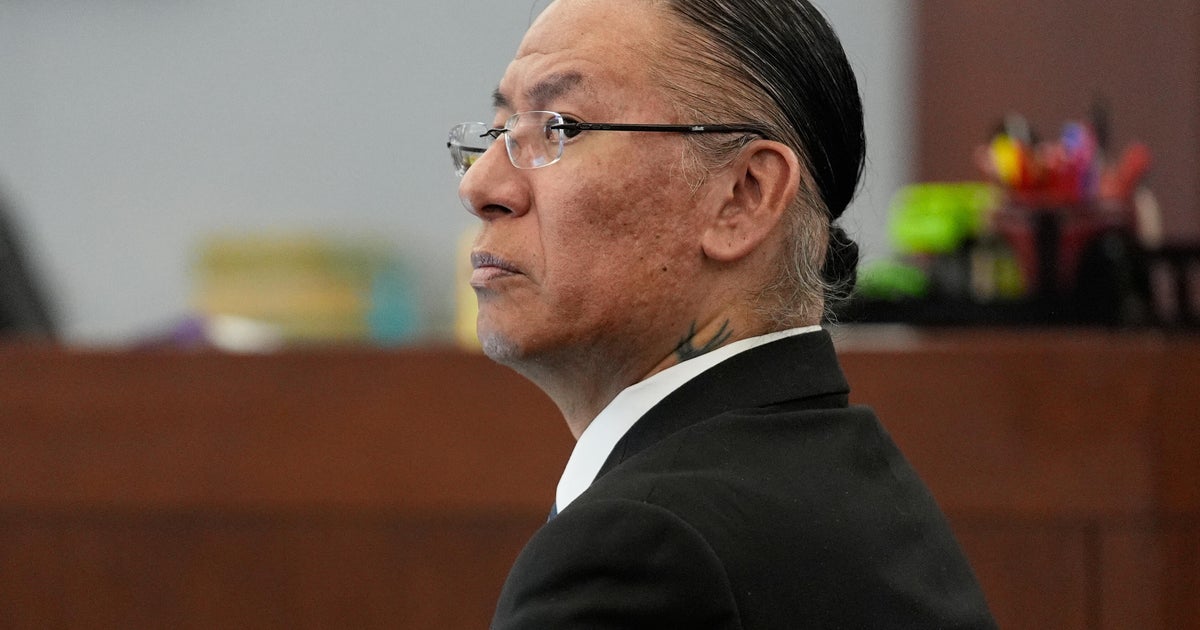
The jury’s decision focused primarily on Chasing Horse’s conduct involving a victim who was just 14 years old when the abuse began. While he was convicted on most charges related to this younger victim, jurors acquitted him of some sexual assault charges that occurred when the main victim was older and living with him alongside his other companions. Chasing Horse had entered not guilty pleas to all 21 charges he faced. With the guilty verdicts now in hand, he faces a minimum sentence of 25 years in prison, with his official sentencing scheduled for March 11. As the verdict was read in the Las Vegas courtroom, Chasing Horse stood quietly, while victims and their supporters openly wept and embraced in the hallway, many wearing yellow ribbons as a symbol of their solidarity and support for survivors.
The Scope of the Allegations and Legal Journey
The path to this conviction has been neither straightforward nor simple. Chasing Horse’s legal troubles have extended well beyond Nevada’s borders, with charges filed against him in multiple states as well as in Canada. In a significant setback for prosecutors, the Nevada Supreme Court actually ordered the dismissal of Chasing Horse’s original indictment in 2024, requiring authorities to regroup and rebuild their case. Despite this obstacle, prosecutors persisted, and the case eventually made its way to trial. British Columbia prosecutors, who have their own charges pending against Chasing Horse, announced Friday that they would assess their next steps once he has been sentenced in the United States and any appeals process has concluded.
The trial itself lasted three weeks and proved to be an emotionally challenging experience for all involved. During that time, jurors heard testimony from three women who alleged that Chasing Horse had sexually assaulted them, with some of these alleged assaults occurring when the victims were still underage. The proceedings were not without drama—earlier this month, just a week before the trial officially began, Chasing Horse was temporarily removed from the courtroom after he disrupted proceedings with demands to fire his defense attorney. Clark County Chief Deputy District Attorney William Rowles expressed gratitude to the women who came forward, acknowledging the courage it took to testify against someone who had once held a position of influence and respect. “I just hope that the people who came forward over the years and made complaints against Nathan Chasing Horse can find some peace in this,” he said following the verdict.
The Disturbing Pattern of Abuse
The details that emerged during the trial painted a deeply troubling picture of manipulation and abuse that allegedly spanned nearly two decades. In her closing statements, Clark County Deputy District Attorney Bianca Pucci told jurors that for almost 20 years, Chasing Horse “spun a web of abuse” that ensnared numerous women. The prosecution’s case centered particularly on the main victim, who was just 14 years old in 2012 when the abuse allegedly began. According to prosecutors, Chasing Horse manipulated this young girl by telling her that the spirits wanted her to give up her virginity to save her mother, who had been diagnosed with cancer. After sexually assaulting her, he allegedly threatened her into silence, saying that if she told anyone about what happened, her mother would die.
This pattern of using spiritual authority and claimed healing powers to manipulate vulnerable individuals became a central theme of the prosecution’s case. Defense attorney Craig Mueller, however, challenged the credibility of the accusations throughout the trial. In his closing statements, he pointed to what he characterized as a lack of concrete evidence, including the absence of eyewitnesses to the alleged assaults. Mueller attempted to undermine the main accuser’s testimony by describing her as a “scorned woman.” Following the verdict, Mueller told the Associated Press that he was “confused and disappointed” by the jury’s decision and expressed what he called “meaningful doubts about the sincerity of the accusations.” He indicated that he would file a motion for a new trial, suggesting that the legal battle may not yet be completely finished.
The Prosecution’s Response and Broader Context
Prosecutors pushed back forcefully against the defense’s arguments about the lack of eyewitness testimony, pointing out that sexual assault cases by their very nature rarely have eyewitnesses because these crimes typically occur behind closed doors and in private settings. This reality makes cases like this one particularly challenging to prosecute, as they often come down to the credibility of the victims’ testimony against the denials of the accused. Clark County District Attorney Steve Wolfson, who made a point of coming to the Las Vegas courtroom to hear the verdict in person, emphasized the significance of the conviction in a statement released after the trial. “Today’s verdict sends a clear message that exploitation and abuse will not be tolerated, regardless of the defendant’s public persona or claims of spiritual authority,” Wolfson said, highlighting how Chasing Horse’s status and reputation had not protected him from accountability.
The case against Chasing Horse comes at a time when authorities across North America have been responding with increased urgency to what has been recognized as an epidemic of violence against Native women. For years, advocates have raised awareness about the disproportionately high rates of violence, including sexual assault, that Indigenous women and girls face. Many of these crimes have historically gone unprosecuted or uninvestigated, contributing to a crisis that has touched virtually every Native community. The conviction of someone like Chasing Horse, who was both a public figure and someone who positioned himself as a spiritual leader within Native communities, carries particular weight in this context. It demonstrates that even those with influence and public recognition can be held accountable for their actions.
From Hollywood Success to Spiritual Leader to Convicted Criminal
Nathan Chasing Horse’s journey from celebrated actor to convicted sex offender represents a dramatic and tragic fall. Born on the Rosebud Reservation in South Dakota, home to the Sicangu Sioux, one of the seven tribes of the Lakota nation, Chasing Horse gained widespread recognition for his portrayal of the character Smiles a Lot in Kevin Costner’s “Dances With Wolves.” The 1990 film was groundbreaking for its time, becoming one of the most prominent films to feature Native American actors in substantive roles. It went on to win multiple Academy Awards and introduced Chasing Horse to audiences around the world. Following his success in the film, Chasing Horse transitioned away from acting and instead traveled extensively across North America, positioning himself as a spiritual figure who performed healing ceremonies.
This new role gave him access to vulnerable individuals and communities, access that prosecutors argued he systematically abused for his own gratification. The trust that people placed in him as a spiritual leader, combined with his celebrity status from his film career, created what prosecutors described as the perfect conditions for predatory behavior. The victims who came forward described being manipulated not just by physical threats but by spiritual ones as well, with Chasing Horse allegedly using their beliefs and cultural practices as tools of coercion. This exploitation of spiritual authority within Native communities added an additional layer of betrayal to his crimes, making the impact on his victims and their communities all the more profound. The main victim, who declined to comment after the verdict, along with the other women who testified, showed tremendous courage in coming forward and participating in the trial process despite the personal cost and public scrutiny involved.
Looking Forward: Justice and Healing
As Nathan Chasing Horse now faces a minimum of 25 years in prison with sentencing set for March 11, the victims and their supporters can at least find some measure of justice in the verdict. The image of those victims and supporters crying and embracing in the courthouse hallway, wearing their yellow ribbons of solidarity, speaks to the emotional toll this case has taken and the relief that comes with being believed and validated by a jury of their peers. While the main victim chose not to speak publicly after the verdict, her decision to testify and participate in the trial process has helped hold her abuser accountable and may encourage other survivors to come forward in their own situations.
The broader implications of this case extend beyond one individual’s conviction. It represents a growing recognition that no one, regardless of their public persona, cultural standing, or claims to spiritual authority, is above the law. For too long, powerful individuals in various communities have been able to exploit their positions to prey on vulnerable people, particularly women and children, with little fear of consequences. Cases like this one demonstrate that this era is slowly coming to an end, though there is still much work to be done. As British Columbia prosecutors consider their next steps and as other jurisdictions continue their own investigations, it’s clear that the full accounting of Nathan Chasing Horse’s alleged crimes may still be unfolding. For now, though, the Nevada verdict stands as an important milestone in the pursuit of justice for his victims and a reminder that accountability, while sometimes slow in coming, can ultimately prevail.