
Severe Weather Devastates Michigan as Millions Face Tornado Threats Across Central U.S.
Widespread Destruction Hits Southern Michigan Communities
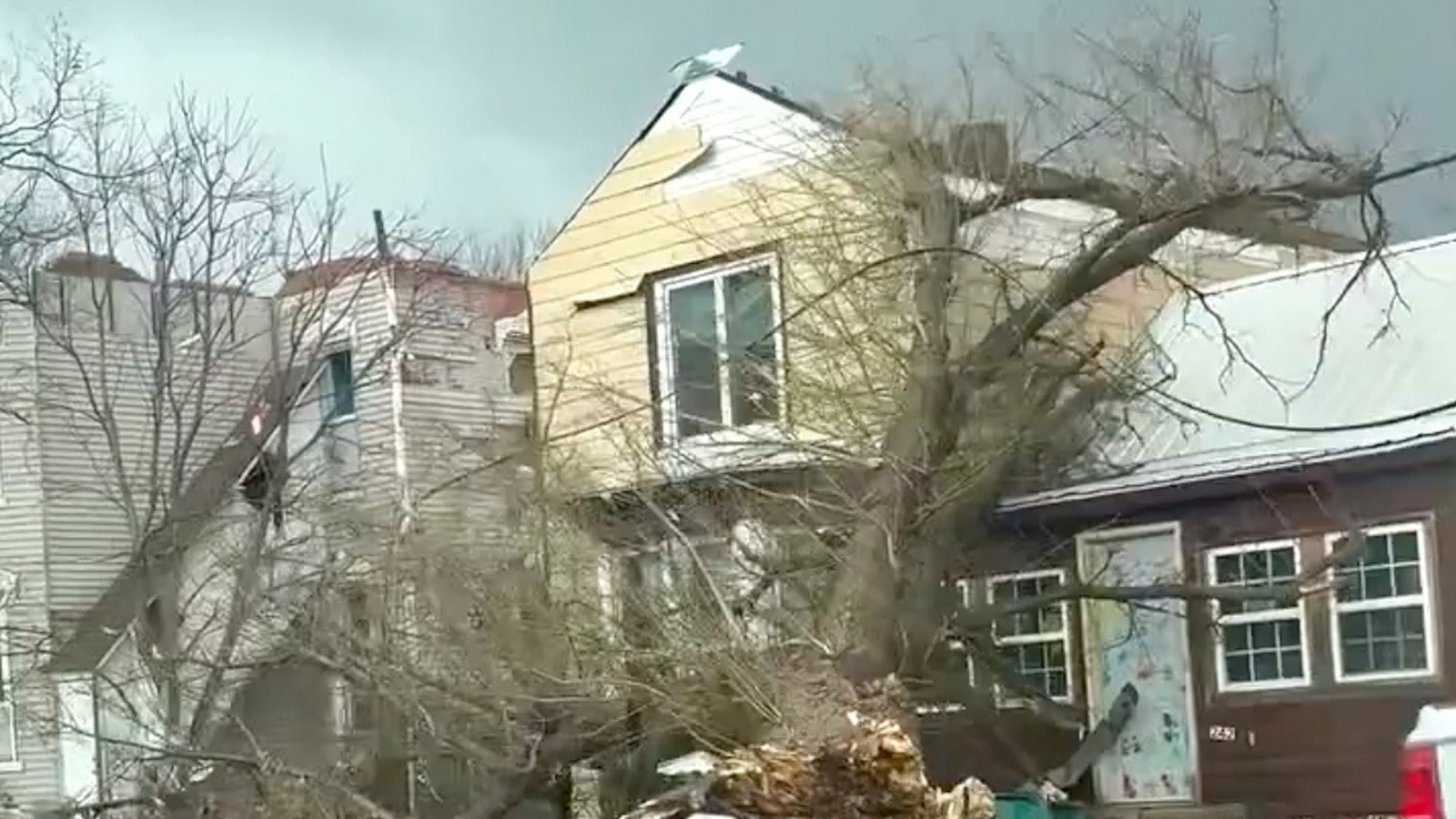
The quiet communities of southern Michigan found themselves in the path of devastating tornadoes on Friday afternoon, leaving behind scenes of destruction that residents won’t soon forget. The National Weather Service issued urgent tornado warnings throughout the region as a particularly large and “extremely dangerous” tornado touched down south of Kalamazoo, tearing through neighborhoods and leaving families scrambling for safety. The hardest-hit areas include Three Rivers and Union City, where local officials reported significant structural damage to homes and businesses. Governor Gretchen Whitmer quickly mobilized state resources, describing the response as an “all-hands-on-deck” effort to help communities recover from the sudden onslaught of severe weather. The images emerging from these small Michigan towns show the raw power of nature—roofs torn from homes, debris scattered across streets, and residents emerging from shelters to survey the damage to their properties and communities.
Nearly 70 Million Americans in the Path of Dangerous Storms
This isn’t just a Michigan story—it’s a massive weather event affecting a huge swath of the American heartland. Nearly 70 million people from Texas to Wisconsin found themselves under severe weather threats as they headed into the weekend, with meteorologists tracking a dangerous storm system that stretched from the Rocky Mountains all the way to the Upper Midwest. The scope of this weather emergency is staggering, with major cities including Dallas, Oklahoma City, St. Louis, Des Moines, and Milwaukee all in the potential impact zone. Residents across six states—Texas, Oklahoma, Kansas, Nebraska, Missouri, and Iowa—received tornado watches that extended into Friday night, forcing families to cancel weekend plans and keep a close eye on weather updates. The National Weather Service warned that this wasn’t just about tornadoes; the storms were bringing multiple threats including damaging winds capable of downing power lines, large hail that could destroy crops and vehicles, and heavy downpours that might trigger dangerous flash flooding in low-lying areas.
Tragedy Strikes Oklahoma as Storm System Claims Lives
The deadly serious nature of these storms became heartbreakingly clear in Oklahoma, where the severe weather turned fatal on Thursday night. A mother and daughter lost their lives in Major County when their vehicle was apparently caught in a tornado’s path, according to Oklahoma Governor Kevin Stitt. Emergency responders found them in their car, which showed unmistakable signs of tornado damage—a grim reminder that these aren’t just weather statistics but real events that shatter families and communities. The Oklahoma storms brought seven reported tornadoes and golf ball-sized hail across parts of western Texas and Oklahoma before the system continued its destructive march eastward. Video footage captured by Fairview Emergency Management showed the terrifying funnel cloud west of Fairview, Oklahoma, a stark visual of the power these storms wielded. This tragedy underscores why meteorologists and emergency officials take these warnings so seriously and why residents in threatened areas need to have safety plans in place and take shelter immediately when warnings are issued.
Missouri and Other States Brace for Impact
As the storm system continued its relentless progression, state governments scrambled to prepare for the worst. Missouri’s governor declared a state of emergency on Friday, a proactive measure designed to streamline resources and response efforts for the “potentially dangerous severe weather forecasted across the state.” This declaration allows state agencies to mobilize more quickly and helps ensure that emergency supplies, personnel, and equipment can be deployed wherever they’re needed most. The enhanced threat zone—stretching from far northeast Texas through southwest Iowa—put meteorologists on high alert, with tornadoes and very large hail identified as the primary concerns. The greatest tornado risk on Friday was concentrated in an area from far northeastern Texas up to just south of Springfield, Missouri, a region where weather conditions were creating the perfect recipe for violent rotating storms. For residents in this enhanced risk zone, the message from officials was clear: this is serious, stay weather aware, have multiple ways to receive warnings, and know exactly where you’ll shelter if a tornado warning is issued for your area.
Winter Weather Adds Complications to Storm System
In a twist that perfectly illustrates the complexity of this massive weather system, the same storm bringing tornadoes to some areas was dumping snow and ice on others. Winter weather advisories stretched from Colorado to Minnesota as the cold side of the storm system brought entirely different hazards to northern communities. Denver residents were expecting 2 to 4 inches of snow, while dangerous icy conditions threatened parts of the Dakotas, Nebraska, and Minnesota. This wintry mix created treacherous travel conditions and added another layer of complexity for emergency responders who might need to reach storm-damaged areas. Heavy rain was forecast to move through the upper Midwest through Friday night, potentially creating flooding issues in areas that couldn’t absorb the rapid rainfall. This combination of severe weather types—tornadoes, flooding rains, and winter precipitation—all stemming from the same storm system demonstrates the immense power and geographic reach of this weather event that meteorologists were tracking with growing concern.
Communities Rally as Recovery Begins
As the immediate danger began to pass in some areas, the long process of recovery and rebuilding was just beginning for communities like Three Rivers and Union City in Michigan. Neighbors who had sheltered together were emerging to check on one another, clear debris from streets, and begin the emotional work of processing what had happened to their towns. Governor Whitmer’s coordinated state response meant that help was on the way, but everyone who’s lived through a tornado knows that the real work of recovery takes months or even years. For millions of others still in the path of the storms heading into the weekend, the anxiety continued—watching weather updates, charging phones, filling bathtubs with water, and mentally rehearsing shelter plans. This is the reality of severe weather season in America’s heartland, where communities have learned to be resilient in the face of nature’s most violent storms, but where each warning still brings justified concern and where each life lost reminds us of the very real dangers these beautiful but deadly storms present. As this weather system finally moves through and begins to weaken, communities across the central United States will count their blessings, mourn their losses, and once again demonstrate the remarkable resilience that defines the American Midwest.