


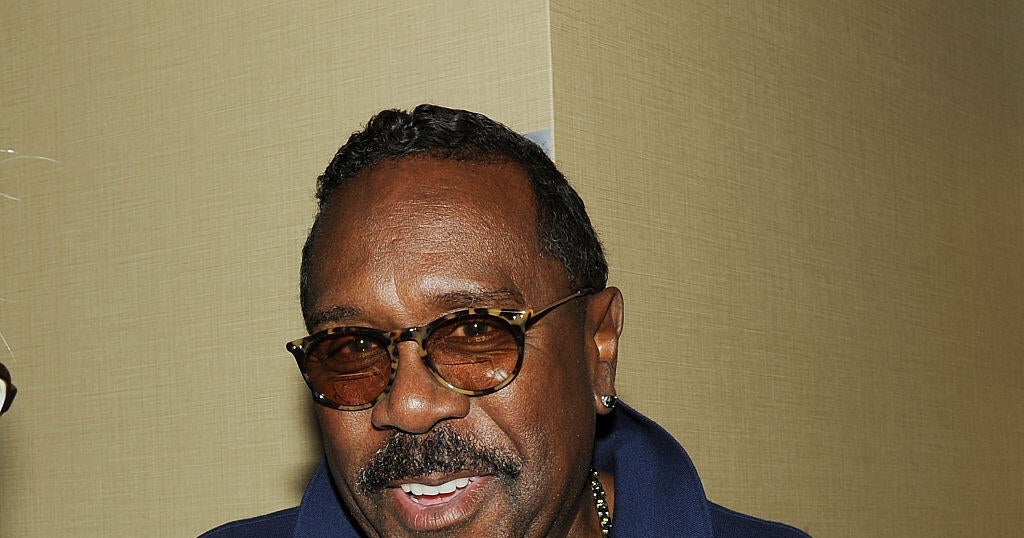

Remembering Demond Wilson: The Beloved Star of “Sanford and Son” Passes Away at 79
A Television Legend Leaves Us
The entertainment world is mourning the loss of Demond Wilson, the talented actor who brought warmth and humor to millions of American homes during the 1970s through his unforgettable portrayal of Lamont Sanford on the hit sitcom “Sanford and Son.” Wilson passed away on Friday at his Palm Springs, California home at the age of 79, succumbing to complications from cancer. His publicist, Mark Goldman, confirmed the sad news to CBS News over the weekend, relaying the family’s deep sorrow and their request for privacy during this incredibly difficult time. Wilson’s son, Demond Wilson Jr., shared with TMZ that his father had been battling cancer before his peaceful passing at home, surrounded by the comfort of familiar surroundings in his final days. The announcement has sent ripples of sadness through the entertainment community and among the countless fans who grew up watching Wilson’s performances, remembering him not just as an actor but as a cherished part of their cultural landscape.
From Broadway Beginnings to Television Stardom
Demond Wilson’s journey to television fame began long before he became a household name. Born in Georgia and raised in the vibrant streets of New York City, Wilson showed extraordinary talent from an incredibly young age. His performing career started remarkably early—at just four years old, he made his Broadway debut in a revival of “The Green Pastures,” a Pulitzer Prize-winning production where he shared the stage with distinguished actors William Marshall and Ossie Davis. As a child, Wilson immersed himself in the performing arts, studying both tap dancing and ballet, disciplines that would give him the grace and timing that later served him so well in comedy. By the age of 12, he was already performing at Harlem’s legendary Apollo Theater, a milestone that few young performers could claim. However, his path to stardom was interrupted when he answered his country’s call to service, joining the U.S. Army in 1966 and serving until 1968, including a tour of duty in Vietnam during one of the war’s most intense periods. This military service would shape his character and perspective, giving him experiences and maturity that would later inform his performances and his approach to life and career.
The Role That Changed Everything
After returning from Vietnam and resuming his career in New York, Wilson appeared in several Broadway productions before making the pivotal decision to relocate to Los Angeles to pursue television and film opportunities. His big break came in 1971 when he landed a memorable guest role on the groundbreaking sitcom “All in the Family,” playing a burglar who, alongside Cleavon Little, held the Bunker family hostage in their Queens home. That single episode performance caught the attention of television producers and opened the door to the role that would define his career and cement his place in television history. Wilson was cast as Lamont Sanford, the long-suffering but loving son of cantankerous junk dealer Fred G. Sanford in “Sanford and Son,” starring opposite the legendary comedian Redd Foxx. The chemistry between Wilson and Foxx was immediate and electric, creating one of television’s most beloved father-son relationships. For six seasons, Wilson brought depth, warmth, and perfect comedic timing to the role of Lamont, the younger Sanford who constantly found himself caught between his dreams of a better life and his devotion to his father and their junk business. The show became a massive hit, ranking in the top ten for five of its six seasons, and Wilson’s performance earned him recognition as one of television’s finest comedic actors, capable of delivering both laughs and genuine emotional moments with equal skill.
Life After “Sanford and Son” and Personal Struggles
When “Sanford and Son” ended in 1977 following a salary dispute that led Redd Foxx to leave the series, Wilson made the significant decision to turn down an offer to continue the show without his co-star, demonstrating both loyalty to his former partner and an understanding that the magic of the show depended on their unique chemistry. He went on to star in CBS’s “Baby… I’m Back,” but the sitcom struggled to find an audience and lasted only 13 episodes, a disappointment for Wilson who had hoped to replicate his earlier success. He next took on the role previously made famous by Tony Randall in “The New Odd Couple,” starring opposite Ron Glass, but this series also failed to capture viewers’ attention, ending after just 18 episodes. These professional setbacks coincided with personal struggles, as Wilson battled cocaine addiction during this difficult period of his life. However, demonstrating the resilience and determination that had characterized his entire life, Wilson confronted his addiction head-on during the 1980s and successfully overcame it. This personal victory led to a profound spiritual transformation, and he became ordained as an interdenominational minister, redirecting his energies toward faith and helping others. His experiences during this challenging time later informed his 2009 memoir, “Second Banana: The Bitter Sweet Memories of the Sanford & Son Years,” in which he candidly discussed both the highs of his television success and the lows of struggling with the end of that fame, as well as his addiction and recovery.
A Legacy of Impact and Transformation
Mark Goldman, who served as Wilson’s publicist for 15 years and clearly knew him well both professionally and personally, spoke movingly about the actor’s passing, emphasizing that Wilson’s loss is “profoundly felt” by all who knew him. “He was an unbelievable man and his impact will never be forgotten,” Goldman stated, words that reflect not just professional respect but genuine affection and admiration for Wilson as a person. Those who worked with Wilson throughout his career consistently described him as a consummate professional, a generous colleague, and a man whose talent was matched by his kindness and integrity. His transformation from a struggling actor battling addiction to an ordained minister who dedicated his later years to spiritual work and helping others demonstrated a depth of character that went far beyond his television persona. Wilson’s willingness to speak openly about his struggles in his memoir and in interviews showed courage and a desire to help others who might be facing similar challenges. He understood that his platform and his story could serve a purpose beyond entertainment, and he embraced that responsibility with the same dedication he had brought to his acting career.
Remembering a Life Well Lived
Demond Wilson leaves behind his wife and their six children, a family that was clearly the center of his world in his later years, along with countless fans who continue to discover his work through reruns and streaming services that have introduced “Sanford and Son” to new generations. The show remains a significant part of television history, not just as entertainment but as a groundbreaking series that brought African American family life to prime time in a way that was both authentic and universally relatable. Wilson’s portrayal of Lamont Sanford contributed to that authenticity—he created a character who was ambitious and educated but never lost touch with his roots, who loved his difficult father despite their constant conflicts, and who represented the aspirations of many young African Americans of that era trying to balance respect for the previous generation with dreams of upward mobility. As news of Wilson’s death spreads, tributes are pouring in from fellow actors, fans, and cultural commentators who recognize his contribution not just to television comedy but to the broader cultural conversation about family, race, and the American dream. His family has requested privacy as they grieve this tremendous loss, and the entertainment community is honoring that request while also celebrating a life that brought so much joy to so many people. Demond Wilson’s journey from a four-year-old on Broadway to a television star, through personal struggles and spiritual rebirth, represents a uniquely American story of talent, perseverance, redemption, and grace. He will be remembered not just for making us laugh, but for the dignity and humanity he brought to every role and every stage of his remarkable life.