



Justice Department Releases Massive Trove of Epstein Investigation Files
Unprecedented Document Disclosure Under New Transparency Law
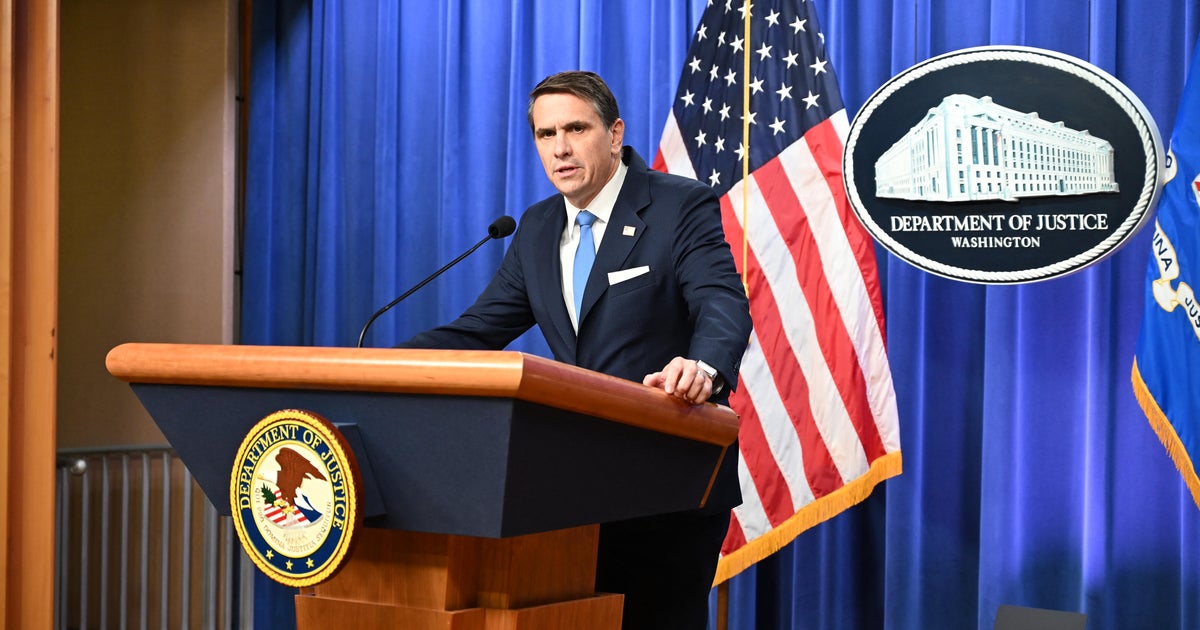
The Justice Department announced a historic release of documents on Friday, making public more than 3 million pages of records connected to its investigation into Jeffrey Epstein, the convicted sex offender whose crimes and connections to powerful figures have captivated public attention for years. Deputy Attorney General Todd Blanche revealed during a press conference that this massive disclosure includes approximately 2,000 videos and 180,000 images, bringing the Trump administration’s total release to roughly 3.5 million pages. This extraordinary effort stems from the Epstein Files Transparency Act, a bipartisan piece of legislation that Congress passed and President Trump signed into law last year, which mandated that the Justice Department release all unclassified materials related to its investigations into Epstein and his longtime associate Ghislaine Maxwell by December 19th. The scope and scale of this document release represents one of the most comprehensive transparency efforts the Justice Department has ever undertaken, requiring the coordination of hundreds of personnel and countless hours of review to balance public interest with the protection of victims and ongoing investigations.
Protecting Survivors While Pursuing Transparency
In executing this unprecedented disclosure, the Justice Department faced the delicate challenge of honating transparency requirements with the fundamental need to protect the privacy and dignity of Epstein’s victims. Blanche emphasized that the released images and videos contain “extensive redactions” specifically designed to shield survivors from further exploitation and public exposure. The department implemented a clear policy: they redacted every woman depicted in any image or video, with the sole exception of Ghislaine Maxwell, who was convicted in 2021 for her role in sexually exploiting and abusing minor girls alongside Epstein and is currently serving a 20-year prison sentence. However, images of men were generally not redacted unless doing so was necessary to protect a woman’s identity. This approach reflects the Justice Department’s attempt to satisfy the public’s right to know while recognizing that these survivors have already suffered immensely and deserve protection from additional harm. The redaction process itself was monumental, with more than 500 people assigned to review and appropriately redact the sensitive information, demonstrating the government’s commitment to handling this material with the seriousness it deserves while meeting the statutory deadline.
What Was Withheld and Why
While the release of 3.5 million pages represents an enormous volume of information, it’s important to note that the Justice Department collected more than 6 million pages in response to the Epstein-related law, meaning a substantial portion of the material has been withheld from public view. Blanche explained that various legitimate reasons justify keeping certain documents classified or protected, including the presence of survivors’ personal information that could identify or further victimize them, as well as materials that could jeopardize active federal investigations still underway. The Deputy Attorney General was emphatic in his assertion that the withholding decisions were made based on legal and ethical grounds rather than political considerations. “I can assure that we complied with the statute, we complied with the act, and we did not protect President Trump. We didn’t protect or not protect anybody,” Blanche stated, addressing speculation that the review process might be influenced by the president’s past association with Epstein. He candidly acknowledged that despite the massive volume of information being released, there exists “a hunger or a thirst for information that I do not think will be satisfied by the review of these documents,” recognizing the intense public interest in understanding the full scope of Epstein’s criminal network and his connections to powerful individuals across politics, business, and entertainment.
Contents of Previous Releases and Ongoing Investigations
Before this final massive release, the Justice Department had already made public more than 100,000 pages of material in earlier batches, including photographs, videos, court records, and emails that offered glimpses into Epstein’s world and the federal investigation that ultimately led to his 2019 arrest. The first wave of documents contained relatively few mentions of President Trump, but subsequent releases included more references to him, though importantly, Mr. Trump has not been accused of any wrongdoing in connection with Epstein’s crimes. Among the revelations in earlier releases was a 2020 email from a New York prosecutor indicating that flight logs showed Mr. Trump had flown on Epstein’s private jet “many more times” than was previously known to the public. Other documents revealed that investigators had discussed “10 conspirators” before Epstein’s arrest in 2019, and prosecutors had drafted memos about potential co-conspirators they could charge. The releases also included several photographs of former President Bill Clinton, including one showing him in a hot tub with another person whose face was redacted to protect their identity. Meanwhile, Jay Clayton, the U.S. attorney for the Southern District of New York, is currently leading an investigation into Epstein’s ties to prominent Democrats, including Clinton, and major financial institutions—an inquiry that President Trump requested the Justice Department undertake back in November.
Political Fallout and Criticism from Multiple Sides
The handling and timing of these releases have generated significant political controversy and criticism from various quarters. Angel Ureña, a spokesperson for former President Clinton, accused the Trump administration of “shielding themselves from what comes next, or from what they’ll try and hide forever,” while insisting that Clinton’s team “knew nothing and cut Epstein off before his crimes came to light.” Ureña dismissed the significance of the released photos, stating, “So they can release as many grainy 20-plus-year-old photos as they want, but this isn’t about Bill Clinton. Never has, never will be.” On Capitol Hill, lawmakers have also expressed frustration with the Justice Department’s approach to the disclosure requirements. Representative Ro Khanna, a California Democrat who co-sponsored the Epstein Files Transparency Act, accused the Justice Department of “openly defying the law” by refusing to disclose all files immediately and instead releasing them on a rolling basis. The Trump administration came under pressure from both Congress and some of the president’s own allies to release all materials after the Justice Department and FBI indicated in a memo last July that they would not disclose any additional information about Epstein’s case, prompting lawmakers to launch their own parallel investigation into the federal government’s handling of the Epstein matter.
The Epstein Story: From Friendship to Federal Charges
Understanding the context of these document releases requires looking back at the complicated history of Jeffrey Epstein’s crimes and his connections to powerful people. President Trump and Epstein were indeed friends for years, moving in the same elite social circles in New York and Florida from the late 1980s through the early 2000s. However, Mr. Trump has stated they had a falling out around 2004, more than a decade before Epstein faced federal sex trafficking charges in 2019. Epstein’s legal troubles began when state authorities in Florida launched an investigation in 2005, leading to an indictment on state prostitution charges in 2006, while federal law enforcement also conducted its own investigation. In a controversial outcome that has fueled public outrage and suspicion for years, Epstein reached a deal with federal prosecutors in Florida in 2008 that allowed him to plead guilty to just two state prostitution charges, serve only an 18-month prison sentence, and avoid federal prosecution entirely—an arrangement that many have characterized as a sweetheart deal that failed to deliver justice for his many victims. It wasn’t until 2019 that Epstein finally faced federal sex trafficking charges, but he died by suicide in a Manhattan correctional facility while awaiting trial, leaving many questions unanswered and fueling countless conspiracy theories. With this final massive document release, Deputy Attorney General Blanche said the Justice Department has submitted its final report to Congress and provided written justifications for redactions that will be published in the Federal Register, marking the completion of the department’s obligations under the Epstein Files Transparency Act, though the impact of these revelations will likely continue reverberating through American politics and society for years to come.