



Rising Wave of Antisemitic Violence Shakes European and American Jewish Communities
Amsterdam School Attack Sparks International Concern
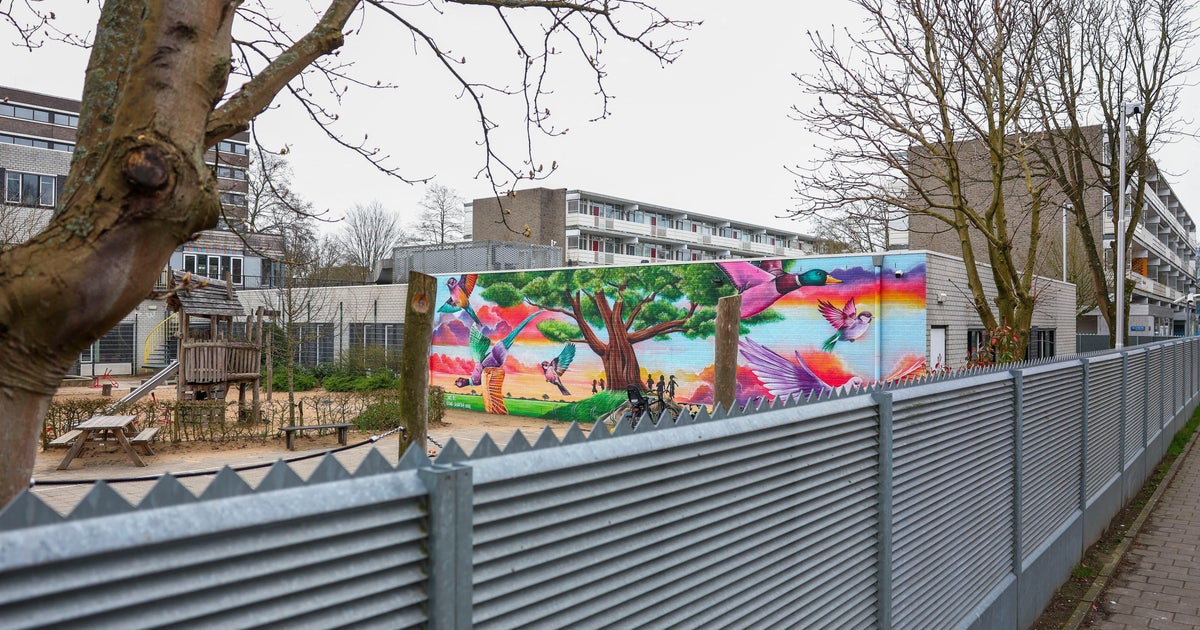
In the early hours of a Saturday morning, a Jewish school in Amsterdam became the latest target of what authorities are calling a deliberate act of hatred. An explosive device detonated against the exterior wall of the school, causing limited structural damage but sending shockwaves through the city’s Jewish community and beyond. Amsterdam Mayor Femke Halsema didn’t mince words when addressing the incident, condemning it as a “cowardly act of aggression” that strikes at the heart of what should be society’s most protected spaces. While thankfully no one was injured in the blast, the psychological impact on students, parents, and the broader Jewish community cannot be understated. Police investigators have obtained CCTV footage showing an individual placing the explosive device, and authorities have launched a comprehensive investigation to identify and apprehend those responsible. Mayor Halsema emphasized a fundamental principle that resonates across all communities: “A school must be a place where children can attend classes in complete safety. Amsterdam must be a place where Jews can live in safety.” Dutch Prime Minister Rob Jetten echoed these sentiments on social media, calling the incident “terrible” and declaring unequivocally that “Antisemitism has no place in the Netherlands.” Acknowledging the fear and anger rippling through the Jewish community, Jetten promised swift action, committing to meet quickly with Jewish community leaders to address their concerns and reinforce their right to feel safe in their own country.
A Troubling Pattern Emerges Across Europe
The Amsterdam attack didn’t happen in isolation—it represents the latest in a disturbing string of violent incidents targeting Jewish institutions across Europe. Just days before the Amsterdam explosion, the Belgian city of Liege experienced a similar attack when an explosive device detonated outside a synagogue in the pre-dawn hours of Monday morning. Like the Amsterdam incident, the Liege attack caused property damage but fortunately resulted in no physical injuries. The blast was met with swift and strong condemnation from Belgian politicians at all levels of government, as well as officials from the European Union, all recognizing the attack for what it was: an assault not just on a building, but on the values of tolerance and religious freedom that European democracies claim to uphold. Meanwhile, in the Dutch port city of Rotterdam, another synagogue faced a nighttime attack during the same week, creating a pattern that law enforcement officials can no longer dismiss as coincidental. In response to the Rotterdam incident, Dutch authorities moved quickly, arresting four men suspected of involvement in the attack by Friday. Prime Minister Jetten had already condemned acts of violence and intimidation against the Jewish community and other religious minorities following the Rotterdam attack, but the subsequent incident in Amsterdam has heightened concerns that these aren’t isolated events but rather coordinated efforts or, at minimum, copycat attacks inspired by a climate of rising antisemitism.
The Broader Geopolitical Context
These attacks are unfolding against a backdrop of escalating tensions in the Middle East, where conflicts between the United States, Israel, and Iran have broadened across the region, creating ripple effects that extend far beyond the immediate conflict zones. While the perpetrators of these European attacks have not yet been definitively linked to any organized groups or political movements, the timing is impossible to ignore. Geopolitical conflicts have a documented history of fueling hate crimes against diaspora communities, with Jewish communities frequently becoming targets when tensions rise in the Middle East, regardless of whether individual community members have any connection to the policies or actions of the Israeli government. This phenomenon reflects a dangerous conflation of criticism of government policy with hatred toward an entire religious and ethnic group—a distinction that becomes blurred in the minds of those predisposed to violence. The international nature of these recent attacks, spanning Belgium, the Netherlands, and even reaching across the Atlantic to the United States, suggests that whatever is motivating these assailants transcends local grievances and taps into broader currents of antisemitism that persist despite decades of education and awareness efforts. For Jewish communities, this creates an atmosphere of vulnerability and vigilance that shouldn’t be necessary in modern democratic societies that pride themselves on protecting religious freedom and minority rights.
Violence Crosses the Atlantic to American Soil
The wave of antisemitic violence hasn’t been confined to Europe. On Thursday, a shocking incident unfolded on the outskirts of Detroit, Michigan, when a man deliberately rammed his car into a synagogue that houses both a place of worship and educational facilities, including a school and early childhood center. The impact sparked a fire, though again, miraculously, no one inside was injured. The suspect, identified as 41-year-old Ayman Mohamad Ghazali, died Friday from what FBI officials described as a “self-inflicted gunshot wound to the head.” Investigators working the case have uncovered what may have been the personal motivation behind this attack: according to sources who spoke with CBS News, Ghazali’s relatives were killed in recent Israeli strikes on Lebanon. This detail adds a layer of tragic complexity to an already devastating incident—it represents a chain of violence where Middle Eastern conflicts directly inspire retaliatory attacks against uninvolved community members thousands of miles away, perpetuating cycles of suffering that reach across continents and generations. While understanding potential motivations is important for prevention efforts, it cannot excuse the targeting of innocent people who had no connection to the events that may have radicalized the attacker. The Detroit attack underscores how quickly international tensions can translate into local violence, putting Jewish communities everywhere on edge.
Security Concerns and Community Response
In response to this escalating threat environment, Jewish communities across the United States and Europe are being forced to transform their institutions into fortified spaces, a reality that stands in stark contrast to the open, welcoming atmosphere that religious and educational institutions strive to maintain. Demand for specialized security services protecting Jewish schools, synagogues, campuses, and community centers has surged dramatically in recent months. Armed security officers have become a common sight at facilities that once relied solely on the goodwill of their neighbors and the protection of the law. Parents dropping their children off at Jewish schools now navigate security checkpoints, and worshippers attending services do so under the watchful eyes of trained security personnel—measures that would have seemed excessive just a few years ago but now feel necessary. This heightened security posture comes at significant financial and psychological costs. Many Jewish organizations are diverting resources from educational programs, cultural activities, and charitable work to pay for security infrastructure and personnel. More significantly, the need for such measures sends a dispiriting message, especially to younger members of the community, that their identity makes them targets and that the broader society either cannot or will not adequately protect them. This normalization of vulnerability and the fortress mentality it necessitates represents a failure of the social contract that should guarantee all citizens the right to practice their faith and educate their children without fear.
The Path Forward: Confronting Antisemitism Together
The recent spate of attacks on Jewish institutions in Amsterdam, Liege, Rotterdam, and Detroit represents more than just isolated criminal acts—they are symptoms of a persistent disease that continues to afflict societies across the democratic world. Antisemitism, one of history’s oldest and most adaptable forms of hatred, clearly hasn’t been relegated to the past despite widespread education about the Holocaust and other historical atrocities committed against Jewish people. Instead, it has evolved, sometimes hiding behind political discourse about Middle Eastern conflicts, other times emerging in its rawest, most violent form. Political leaders like Mayor Halsema and Prime Minister Jetten have spoken the right words in condemning these attacks, but words alone won’t be sufficient to address the underlying currents of hatred that make such violence possible. What’s needed is a comprehensive, sustained effort that combines robust law enforcement responses with educational initiatives that help people distinguish between legitimate political discourse and antisemitic scapegoating. Communities must also foster environments where reporting suspicious activity is encouraged and where early intervention can prevent radicalization. Perhaps most importantly, there needs to be a collective recognition that attacks on any religious or ethnic minority threaten the fabric of democratic, pluralistic society itself. When children can’t safely attend school because of their religious identity, when worshippers can’t gather without armed security, and when communities must barricade themselves against hatred, we all lose something fundamental. The Jewish community should not have to face this threat alone—it’s incumbent upon people of all backgrounds to stand in solidarity, to speak out against antisemitism in all its forms, and to build societies where Mayor Halsema’s simple statement becomes an unquestioned reality: places where Jews—and indeed all people—can live in complete safety and dignity.