


Federal Agents Use Tear Gas on Portland Protesters, Including Children, Sparking Outrage
Peaceful Protest Turns Chaotic After ICE Deploys Chemical Agents
What began as a peaceful demonstration in Portland, Oregon, turned into a frightening scene when federal immigration agents deployed tear gas, pepper balls, and rubber bullets on thousands of protesters, including young children in strollers and people with disabilities using motorized carts. The “ICE out” protest on Saturday drew community members to South Portland, where they gathered first at Elizabeth Caruthers Park before moving to a nearby Immigration and Customs Enforcement facility. Witnesses described a terrifying moment when what appeared to be agents with “rocket launchers” began shooting gas canisters into the crowd. Former OregonLive reporter Erin Hoover Barnett, who participated in the demonstration, painted a vivid picture of the chaos that ensued. Standing about 100 yards from the ICE building in Portland’s South Waterfront area, she watched in horror as parents desperately tried to protect their small children while people using mobility aids struggled to navigate through the panicked crowd. The use of tear gas wasn’t a single incident but continued sporadically throughout the night as the number of protesters gradually decreased, creating an atmosphere of sustained fear and confusion in what had been described as a peaceful gathering of citizens exercising their constitutional rights.
Mayor Wilson Demands Accountability and ICE’s Departure
Portland Mayor Keith Wilson didn’t mince words in his response to the federal agents’ actions, issuing a forceful statement Saturday night that condemned the violence against his city’s residents. He declared that the federal government “must, and will, be held accountable” for what transpired and posed a pointed question to those responsible: “Go home, look in a mirror, and ask yourselves why you have gassed children.” His words reflected the anger and disbelief many felt at seeing such aggressive tactics used against families participating in what he characterized as a peaceful demonstration. The mayor emphasized that the vast majority of people present had violated no laws, made no threats, and posed absolutely no danger to federal agents, making the use of chemical weapons completely unjustifiable. In a direct appeal to ICE employees and leadership, Wilson didn’t hold back: “To those who continue to work for ICE: Resign. To those who control this facility: Leave.” He accused the agency of using violence and trampling the Constitution, arguing that these actions had cost them all legitimacy and replaced it with shame. Beyond strong words, the mayor announced concrete action, stating that the city would impose a fee on detention facilities that use chemical agents, creating a financial consequence for future use of such tactics against Portland residents.
State Leadership Joins Condemnation of Federal Actions
Oregon Governor Tina Kotek added her voice to the chorus of condemnation, using social media on Sunday to make her position crystal clear. “Trump’s ICE has no place in Oregon,” she wrote bluntly, leaving no room for misinterpretation about where the state stood on the federal agency’s presence and tactics. The governor’s statement focused specifically on the use of tear gas against families, children, and peaceful demonstrators, which she called “a horrific abuse of authority that undermines public safety and violates constitutional rights.” Her words highlighted a fundamental tension between state and federal authorities, with state leadership viewing federal immigration enforcement not as a protection but as a threat to their communities. Governor Kotek demanded that federal agents “stand down and be held accountable,” echoing the mayor’s call for consequences. The alignment between Portland’s mayor and Oregon’s governor demonstrated a unified state-level response against what they viewed as federal overreach and brutality. Their public statements also reflected broader concerns about constitutional rights, the appropriate use of force, and the role of federal agencies in communities that don’t want their presence, particularly when local leadership believes that presence actively harms residents rather than protecting them.
Part of a Nationwide Pattern of Immigration Protests and Federal Response
The Portland demonstration wasn’t an isolated incident but part of a wave of protests sweeping across the country in response to the Trump administration’s immigration enforcement policies. Similar scenes played out in multiple cities, each with their own stories of confrontation between protesters and federal authorities. In Minneapolis, tensions were particularly high following the recent deaths of two residents, Alex Pretti and Renee Good, at the hands of federal agents during immigration enforcement activities. These deaths had galvanized opposition to aggressive immigration tactics and motivated people to take to the streets. In downtown Los Angeles, federal officers also deployed tear gas into crowds on Saturday after local police issued an unlawful assembly order, resulting in at least eight arrests according to the Los Angeles Police Department. Meanwhile, in Eugene, Oregon, federal agents used tear gas on Friday when protesters attempted to enter the Federal Building near downtown, leading city police to declare a riot and order the crowd to disperse. This pattern of protests and aggressive federal response was creating flashpoints in cities across America, with local communities increasingly at odds with federal immigration enforcement priorities. The nationwide nature of these demonstrations showed that Portland wasn’t unique in its resistance to ICE operations, but rather part of a broader movement of Americans concerned about immigration policies and the methods used to enforce them.
Medical Response and Lack of Arrests Highlight Peaceful Nature of Protest
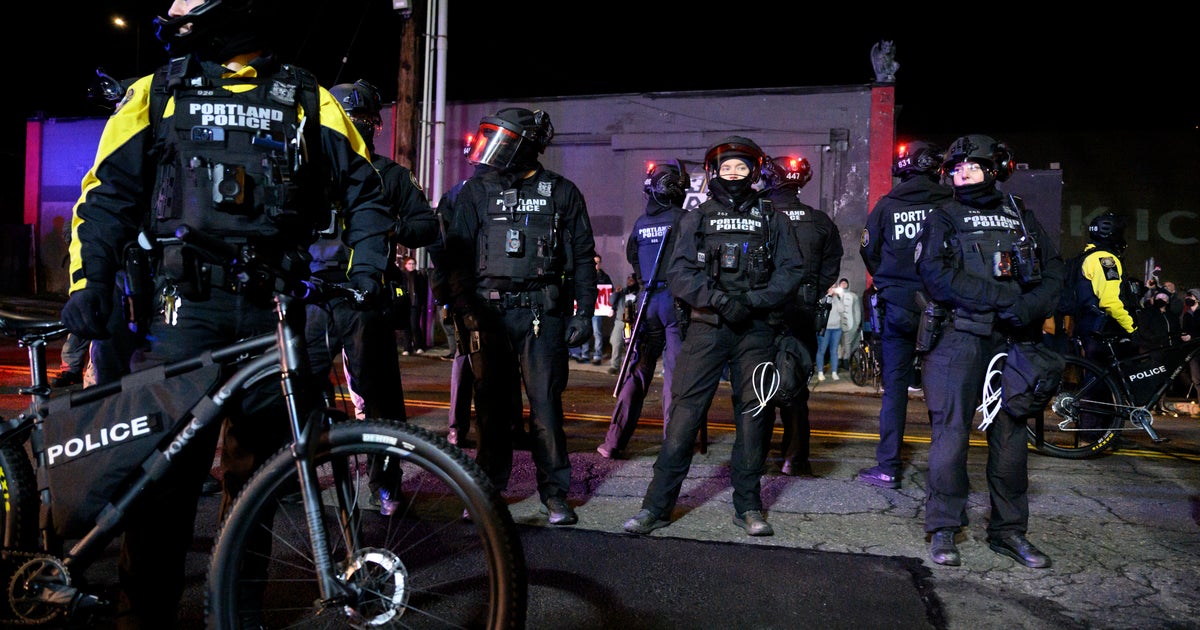
The Portland Fire Bureau dispatched paramedics to the scene to treat people affected by the chemical agents, underscoring the real physical harm caused by the federal response. Police officers from the Portland Police Bureau monitored the crowd throughout the day but made no arrests on Saturday, a fact that reinforced Mayor Wilson’s characterization of the protest as peaceful and lawful. The absence of arrests by local law enforcement stood in stark contrast to the federal agents’ decision to use tear gas, pepper balls, and rubber bullets, raising questions about whether the aggressive federal response was proportionate or necessary. Local police, who were present and observing the same situation as federal agents, apparently didn’t see behavior that warranted arrests or the use of force. This disconnect between local law enforcement’s assessment and federal agents’ actions highlighted a fundamental disagreement about how to handle peaceful protest. The need for medical treatment of protesters, including families with children, illustrated the real consequences of the tear gas deployment. People who came to exercise their First Amendment rights ended up requiring medical attention not because of any violence they committed, but because federal agents chose to use chemical weapons against them. This response seemed to validate the protesters’ concerns about excessive government force and raised serious questions about the appropriateness of such tactics in a democratic society.
Presidential Directive and the Escalating Conflict
President Trump weighed in on the protests via social media on Saturday, attempting to draw a distinction between local law enforcement responsibilities and federal protection of government property. While stating that policing protests was primarily the responsibility of local agencies, the president made clear that he had instructed Homeland Security Secretary Kristi Noem to ensure federal agents vigorously guarded U.S. government facilities. His statement took a confrontational tone, warning protesters about the consequences of various actions. “Please be aware that I have instructed ICE and/or Border Patrol to be very forceful in this protection of Federal Government Property,” Trump wrote, before listing specific behaviors that would not be tolerated, including spitting on officers, damaging vehicles, or throwing rocks or bricks. He concluded with a threat: “If there is, those people will suffer an equal, or more, consequence.” This presidential directive raised the stakes considerably, essentially promising escalation rather than de-escalation in future confrontations. The language characterizing federal agents as “Patriot Warriors” framed the situation in militaristic terms that seemed at odds with the accounts of peaceful families with children being gassed. The conflict between the president’s characterization and local officials’ descriptions of events highlighted the deep divide in how different levels of government viewed these protests—either as legitimate exercises of constitutional rights being met with excessive force, or as threats to federal property requiring aggressive defense. This fundamental disagreement suggested that tensions would likely continue and possibly intensify in coming weeks.